
Available products
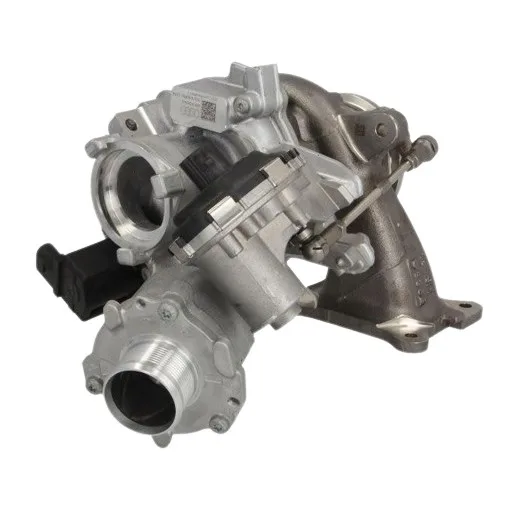
In stock
For the SEAT Tarraco (KN2) in 2.0 TSI 190 hp (140 kW petrol), the autoKUR catalogue holds 1 exchange-standard reference(s). At equal displacement, two outputs do not call for the same part.
Engine specification: 1984 cm³, petrol, built since 11/2018. Matching part number: 06K145654F (IHI). Compare with the code stamped on your part.
Other engines of the SEAT Tarraco (KN2): 2.0 TDI 190 hp, 1.5 TSI ACT 150 hp, 2.0 TDI 150 hp. If the code stamped on your part is legible, search by reference remains the safest route. 24-month warranty.
Related categories
Frequently asked questions
About this category
The 2.0 TSI 190 HP turbocharged engine, found in numerous European models from the mid-2010s onward, demands precise replacement components when performance falters. This category focuses on remanufactured turbochargers designed for direct swap, eliminating the need for costly repairs or OEM sourcing delays. Whether you are a professional mechanic or a DIY enthusiast, these turbos provide a cost-effective solution without compromising on quality or compatibility.
Our range is curated from leading remanufacturers who specialize in high-volume turbo production, ensuring consistent availability and competitive pricing. Each unit is selected for its fitment across multiple vehicle platforms, reducing the complexity of inventory management for wholesalers and garages alike. The turbos listed here are not generic aftermarket parts but purpose-built replacements for the 2.0 TSI 190 HP platform.
Professional uses by trade
Different users approach turbo replacement with distinct priorities: professionals prioritize speed and reliability, while DIYers seek clarity and affordability. Below, we outline how each group leverages these turbos to restore engine performance efficiently.
- Le garagiste independant : Uses remanufactured turbos as drop-in replacements to reduce labor time and avoid costly machine shop visits for core rebuilds.
- L'automobiliste depanne : Prefers pre-tested turbos for peace of mind, knowing the unit is ready for immediate installation without hidden defects or compatibility issues.
- Le passionne qui fait lui-meme : Values turbos sold in single-unit packaging for easier handling and storage, especially when working in limited garage spaces.
- Der deutsche Kaeufer (DACH) : Seeks turbos with clear OEM reference alignment to ensure seamless integration with Volkswagen Group vehicles common in the region.
- Le garagiste independant : Relies on bulk-packaged turbos to streamline inventory, as these units arrive pre-paired with necessary gaskets and hardware for faster turnaround.
- L'automobiliste depanne : Chooses turbos with documented remanufacturing processes to avoid the risks associated with untested or poorly sourced alternatives.
- Der deutsche Kaeufer (DACH) : Prioritizes turbos compatible with local emission standards and vehicle configurations, minimizing post-installation adjustments.
Range comparison
Below, you will find the exact turbocharger references tailored for the 2.0 TSI 190 HP engine, each selected for its proven fitment and remanufacturing quality.
| Range | Use | Format |
|---|---|---|
| Turbo IHI 06K145654F | Single-unit purchase for DIY installation |
How to choose
Selecting the right turbocharger involves more than matching engine codes—it requires evaluating condition, packaging, and supplier reliability to ensure long-term performance.
- Condition: Opt for turbos labeled as 'generalüberholt' or 'remanufactured' to confirm they have undergone full refurbishment, including bearing and seal replacement.
- Packaging: Bulk-packaged turbos reduce per-unit costs for workshops, while retail sleeves offer convenience for individual buyers needing only one unit.
- Supplier reliability: Choose suppliers with documented quality control processes, as this minimizes the risk of receiving units with undetected defects or misalignment.
- Compatibility: Verify the turbo’s OEM reference against your vehicle’s engine code to avoid mismatches that could lead to installation failures or performance issues.
- Rotation: For workshops, turbos with high turnover rates indicate consistent demand and supplier trustworthiness, reducing the risk of dead stock.
- Documentation: Request remanufacturing records or certificates of conformity to confirm the turbo’s history and adherence to industry standards.
- Core deposit: Some suppliers require a core deposit for used turbos, ensuring responsible recycling and reducing upfront costs for the buyer.
Storage & logistics
For workshops, storing remanufactured turbos in climate-controlled environments prevents moisture damage and extends shelf life, while retail buyers should keep units in their original packaging until installation. Bulk-packaged turbos benefit from organized shelving with clear labeling to streamline picking and reduce errors during busy periods. Always inspect turbos for transit damage upon arrival, as even minor impacts can affect internal components. For long-term storage, avoid stacking heavy items on top of turbo boxes to prevent deformation of the housing or cartridge.
With over a decade of supplying European garages, we’ve seen how a single misaligned turbo can cascade into engine damage—our turbos are sourced from remanufacturers who treat each unit as if it were going into a brand-new vehicle.— autoKUR team
Related categories
Browse our other ranges:
Useful references
For regulatory and sector references, see Reglement (UE) 461/2010 — pieces de rechange et garantie constructeur.