
Available products
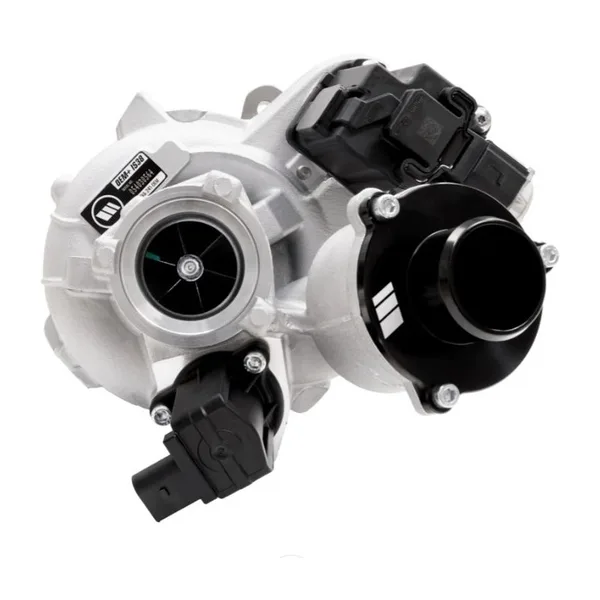
In stock
For the SEAT Leon 3 Cupra (5F1) in 2.0 TFSI 280 hp (206 kW petrol), the autoKUR catalogue holds 1 exchange-standard reference(s). At equal displacement, two outputs do not call for the same part.
Engine specification: 1984 cm³, petrol, built from 10/2013 to 08/2020. Matching part number: IS38 (IHI). Compare with the code stamped on your part.
Other engines of the SEAT Leon 3 Cupra (5F1): 2.0 TFSI 300 hp, 2.0 TFSI 290 hp, 2.0 TFSI 265 hp. If the code stamped on your part is legible, search by reference remains the safest route. 24-month warranty.
Related categories
Frequently asked questions
About this category
The 2.0 TFSI 280 hp turbo exchange standard category addresses a critical need in the performance tuning and repair market, where power loss often traces back to a failing turbocharger. This segment serves Audi, Volkswagen, and Porsche owners whose engines—whether stock or tuned—demand turbos that can handle increased boost levels without compromising reliability. Here, you’ll find remanufactured units designed to meet or exceed original equipment standards, ensuring seamless integration into existing systems while restoring the engine’s intended performance.
This range is built around the principle of exchange standard, where a remanufactured turbo replaces a worn-out unit with minimal downtime and maximum cost efficiency. The turbos in this category are sourced from suppliers specializing in high-performance applications, with each unit tested for balance, bearing wear, and wastegate functionality. The role of the wholesaler is to aggregate these products into a single, accessible catalog, allowing garages and enthusiasts to source turbos by motorization rather than by part number alone.
Professional uses by trade
Different users approach the 2.0 TFSI 280 hp turbo exchange standard category with distinct priorities, whether it’s restoring a daily driver’s responsiveness or supporting a tuned project car’s demands. Independent garages rely on these turbos for quick turnarounds, while DIY enthusiasts seek units that simplify installation without sacrificing performance.
- Le garagiste independant : Sources turbos like the IHI IS38 to minimize vehicle downtime, ensuring repairs are completed within a single day while maintaining workshop profitability.
- L'automobiliste depanne : Finds a direct replacement for a failing turbo to avoid costly dealership visits, restoring power and drivability without compromising on quality.
- Le passionne qui fait lui-meme : Selects a remanufactured turbo with verified OEM references to ensure a smooth installation process, even for high-performance applications.
- Der deutsche Kaeufer (DACH) : Prioritizes turbos with wastegate adjustments for tuned engines, ensuring compatibility with local tuning shops and performance specialists.
- Le garagiste independant : Orders bulk quantities of turbos to stock core models like the IHI IS38, reducing lead times for repeat customers with similar motorizations.
- L'automobiliste depanne : Uses the core deposit system to return a used turbo efficiently, simplifying the exchange process and avoiding disposal hassles.
- Le passionne qui fait lui-meme : Cross-references motorization codes to confirm turbo compatibility before purchasing, preventing mismatches in high-stakes builds.
Range comparison
Below, you’ll find the available turbos for the 2.0 TFSI 280 hp category, each listed with its exact reference and intended use case. These units are selected for their proven performance in stock and tuned applications alike.
| Range | Use | Format |
|---|---|---|
| Turbo IHI IS38 | emergency repair for roadside breakdowns |
How to choose
Selecting the right turbo for a 2.0 TFSI 280 hp application requires attention to motorization details, intended use, and installation constraints. Professionals and enthusiasts alike should prioritize units with verified OEM references and wastegate compatibility to ensure seamless integration.
- Verify the motorization code and power output to confirm turbo compatibility, as mismatches can lead to performance issues or premature failure.
- Check the wastegate adjustment range to ensure the turbo suits your engine’s boost requirements, whether stock or tuned for higher performance.
- Prioritize turbos with a core deposit system to simplify returns of used units, reducing logistical overhead for garages and private buyers.
- Assess the remanufacturing process used by the supplier, as quality varies widely between generic rebuilds and certified overhauls.
- Confirm the turbo’s fitment in your vehicle’s bay, as clearance issues can arise with aftermarket intercoolers or upgraded intake systems.
- Review the supplier’s return policy for defective units, ensuring you’re protected against shipping errors or hidden defects.
- For tuned applications, select a turbo with a known upgrade path, allowing for future power increases without immediate replacement.
Storage & logistics
Storing remanufactured turbos like the IHI IS38 requires controlled conditions to preserve bearing integrity and prevent moisture damage. Warehouses should maintain temperatures between 15°C and 25°C with humidity levels below 60%, using sealed containers to block dust and contaminants. For garages, stock rotation is critical: turbos should be stored in a dry, temperature-stable environment away from direct sunlight, with older units moved to the front of shelves to prevent stagnation. Core deposits must be handled separately, with used turbos stored in labeled bins to avoid mix-ups during returns. Suppliers should also provide clear handling instructions to prevent mishandling, as even minor impacts can affect turbo balance and performance.
With over a decade in turbo remanufacturing, our team has seen how a single mismatched unit can derail a tuned build or strand a customer on the highway. That’s why we don’t just sell turbos—we match them to motorizations with the precision of a diagnostic tool, ensuring every exchange standard unit meets the demands of the engine it’s meant for.— autoKUR team
Related categories
Browse our other ranges:
Useful references
For regulatory and sector references, see Reglement (UE) 461/2010 — pieces de rechange et garantie constructeur.