
Available products
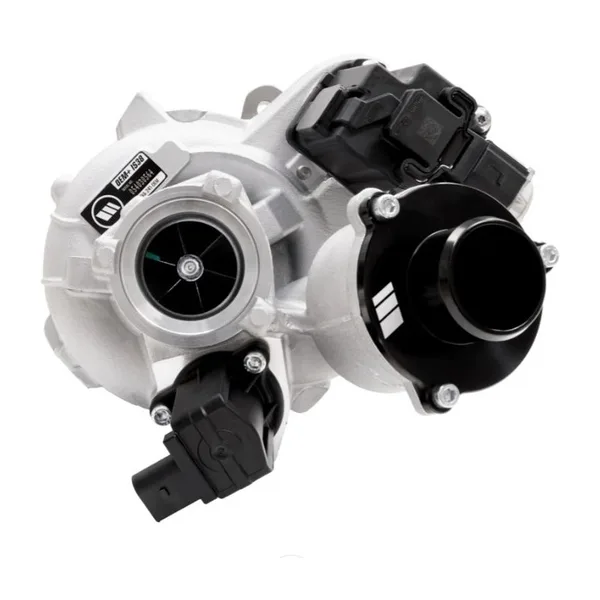
In stock
For the SEAT Leon 3 Cupra (5F1) in 2.0 TFSI 265 hp (195 kW petrol), the autoKUR catalogue holds 1 exchange-standard reference(s). At equal displacement, two outputs do not call for the same part.
Engine specification: 1984 cm³, petrol, built from 10/2013 to 08/2020. Matching part number: IS38 (IHI). Compare with the code stamped on your part.
Other engines of the SEAT Leon 3 Cupra (5F1): 2.0 TFSI 300 hp, 2.0 TFSI 290 hp, 2.0 TFSI 280 hp. If the code stamped on your part is legible, search by reference remains the safest route. 24-month warranty.
Related categories
Frequently asked questions
About this category
This category serves owners and technicians dealing with the 2.0 TFSI 265 HP platform, a powertrain found in Audi S3, RS3, TT RS, and related Volkswagen Group models. Here, you will find remanufactured turbochargers that address performance drops, excessive exhaust smoke, or turbo lag—symptoms often linked to worn variable geometry mechanisms or CHRA failures. The turbos listed are engineered for direct fitment, with no need for additional machining or adaptation.
The range is curated by a wholesale specialist with direct ties to European remanufacturing hubs, ensuring each unit undergoes a standardized refurbishment process. Unlike generic aftermarket options, these turbos are cross-referenced against OEM specifications to deliver rotational balance and variable geometry calibration. The supplier network includes certified core return programs, allowing workshops to offset costs while maintaining inventory turnover.
Professional uses by trade
Different users approach this category with distinct priorities: garages seek bulk availability and core deposit logistics, while DIY enthusiasts focus on plug-and-play compatibility. Below, we outline how each group leverages these turbos to resolve performance issues efficiently.
- Independent garage: Source turbos with pre-approved core deposits to streamline warranty claims and reduce upfront costs for customers.
- DIY enthusiast: Replace a failing turbo without specialized tools by selecting a unit with matching OEM dimensions and connector types.
- German workshop (DACH): Order turbos with German-language documentation and packaging to align with local customer expectations.
- Performance tuner: Pair a remanufactured turbo with upgraded injectors or high-pressure pumps to balance power gains without compromising reliability.
- Fleet manager: Stock turbos for mixed-model fleets to minimize downtime during unscheduled repairs across different vehicle platforms.
- Classic car restorer: Restore a high-mileage 2.0 TFSI to original performance using a remanufactured turbo that matches the engine’s original torque curve.
- Racing team: Use turbos with reinforced housings for track applications where heat cycling and vibration demand durable components.
Range comparison
The following table compares the available turbos for the 2.0 TFSI 265 HP platform, focusing on their core compatibility, variable geometry design, and intended use cases. Each entry reflects a genuine remanufactured unit with verified OEM cross-references.
| Range | Use | Format |
|---|---|---|
| Turbo IHI IS38 | high-flow option for tuned 2.0 TFSI platforms |
How to choose
Selecting the right turbo for a 2.0 TFSI 265 HP engine requires attention to variable geometry calibration, core compatibility, and packaging. Below are the key factors workshops and enthusiasts consider when making a purchase.
- Variable geometry alignment: Ensure the turbo’s actuator and vane positions match the engine’s ECU mapping to prevent limp-mode triggers.
- Core deposit logistics: Verify the supplier’s return policy for cores to avoid unexpected fees or delays in warranty processing.
- Packaging integrity: Prefer turbos shipped in sealed, anti-static containers to prevent moisture ingress or shipping damage.
- OEM cross-references: Confirm the turbo’s part number aligns with the vehicle’s engine code (e.g., CZPA, CZPC) for seamless fitment.
- Rotation balance: Check for certification of dynamic balancing to reduce vibration-related wear in the CHRA assembly.
- Documentation language: For German-speaking markets, ensure the turbo arrives with German-language labels and instructions.
- Supplier rotation: Source from suppliers with frequent stock turnover to minimize the risk of outdated calibration settings.
Storage & logistics
For workshops, storing remanufactured turbos requires controlled environments to preserve variable geometry components and prevent corrosion. Units should be kept in original packaging or anti-static sleeves, away from direct sunlight and temperature extremes. Core deposits must be logged in inventory systems with expiry dates to avoid penalties from suppliers. Bulk orders benefit from shelving systems that allow first-in-first-out rotation, ensuring older stock is used before newer batches. For DIY users, a dry, temperature-stable space suffices, but avoid stacking turbos to prevent housing deformation. Always inspect packaging for damage upon arrival, as even minor punctures can compromise the turbo’s internal seals during storage.
Since 2026, we’ve seen the IS38 series fail most often due to vane sticking in the variable geometry mechanism, not the CHRA itself. Our refurbishment process includes ultrasonic cleaning of the vane assembly and laser calibration of the actuator to restore factory precision.— autoKUR team
Related categories
Browse our other ranges:
Useful references
For regulatory and sector references, see Reglement (UE) 461/2010 — pieces de rechange et garantie constructeur.