
Available products
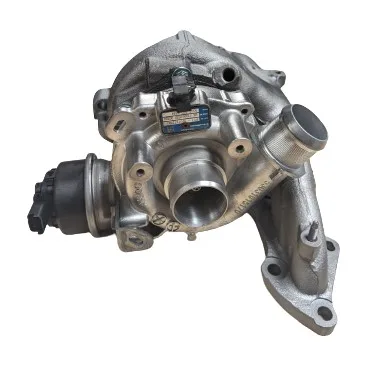
In stock
For the PEUGEOT 308 2 in 2.0 BlueHDi 150 hp (110 kW diesel), the autoKUR catalogue holds 1 exchange-standard reference(s). At equal displacement, two outputs do not call for the same part.
Engine specification: 1997 cm³, diesel, built from 11/2013 to 06/2021. Matching part number: 5303 988 0394 (BorgWarner - KKK). Compare with the code stamped on your part.
Other engines of the PEUGEOT 308 2: 1.6 THP 272 hp, 1.6 THP 250 hp, 1.6 PureTech 225 hp. If the code stamped on your part is legible, search by reference remains the safest route. 24-month warranty.
Related categories
Frequently asked questions
About this category
The 2.0 BlueHDi 150 hp turbocharger category addresses a common pain point for Peugeot owners and mechanics: the need for a high-performance, exchange-standard turbo that restores lost power without the uncertainty of aftermarket alternatives. This range includes remanufactured units designed to meet the exacting standards of the 2.0-liter diesel engine, covering model years where turbo failure is most prevalent. Whether you’re troubleshooting a sudden loss of acceleration or preparing for a routine maintenance overhaul, these turbos are engineered to deliver reliable performance under demanding conditions.
Curated from a network of specialized remanufacturers, this category bridges the gap between OEM quality and cost-effective solutions for workshops and private buyers. Each turbo is sourced from suppliers adhering to strict remanufacturing protocols, ensuring that the core components—such as the variable geometry mechanism and CHRA—are restored to factory-like condition. The focus remains on compatibility with the 2.0 BlueHDi 150 hp, with no compromises on fitment or operational integrity, making it a trusted choice for both one-off repairs and stock replenishment.
Professional uses by trade
Different users approach turbocharger replacement with distinct priorities, whether it’s minimizing downtime, ensuring long-term reliability, or balancing cost with performance. This section outlines how each target audience leverages these remanufactured turbos to address their specific needs, from quick roadside fixes to comprehensive workshop overhauls.
- Independent garage owner: Replace a failing turbo on a customer’s 2.0 BlueHDi 150 hp with a remanufactured unit that meets OEM torque specifications, avoiding costly callbacks.
- DIY enthusiast: Diagnose turbo failure using symptoms like excessive smoke or power loss, then source a direct-fit turbo to perform the replacement at home with basic tools.
- Breakdown-prone driver: Keep a spare remanufactured turbo in the trunk to avoid being stranded, knowing it’s pre-tested for compatibility with the 2.0 BlueHDi engine.
- German workshop (DACH): Order turbos in bulk for a fleet of Peugeot vehicles, relying on the supplier’s ability to deliver consistent quality across multiple units.
- Passionate mechanic: Restore a classic Peugeot to its original performance by pairing a remanufactured turbo with a fresh set of injectors and a high-pressure pump.
- Fleet manager: Maintain a rotating stock of turbos for company vehicles, ensuring minimal downtime by having replacements on hand for the 2.0 BlueHDi 150 hp.
- Budget-conscious buyer: Opt for an exchange-standard turbo instead of a brand-new unit, saving money while still receiving a product that meets stringent remanufacturing standards.
Range comparison
This section presents the available turbocharger options for the 2.0 BlueHDi 150 hp, each designed to restore the engine’s original power output and efficiency. The units listed are selected for their proven compatibility and remanufacturing quality, ensuring they meet the demands of both professional and private users.
| Range | Use | Format |
|---|---|---|
| Turbo BorgWarner - KKK 5303 988 0394 | direct replacement for 2.0 BlueHDi 150 hp |
How to choose
Selecting the right turbocharger for the 2.0 BlueHDi 150 hp requires attention to several key factors beyond mere compatibility. These criteria ensure the unit will perform reliably under real-world conditions, whether installed by a professional or a skilled DIYer.
- Verify the turbo’s variable geometry mechanism operates smoothly to prevent issues like sluggish response or excessive exhaust backpressure.
- Check for a remanufactured CHRA (Center Housing Rotating Assembly) that has been balanced and tested to OEM tolerances for longevity.
- Ensure the turbo’s housing and inlet/outlet flanges match the original engine’s mounting points without modifications.
- Prioritize turbos with a documented remanufacturing process, including core cleaning, component inspection, and pressure testing.
- Confirm the turbo’s power rating aligns with the 2.0 BlueHDi 150 hp’s specifications to avoid mismatches in boost levels.
- Look for units that include a core deposit program, allowing you to return the old turbo for a partial refund upon installation.
- Choose suppliers with a track record of delivering turbos that maintain consistent performance across multiple installations.
Storage & logistics
For workshops and bulk buyers, proper storage of remanufactured turbos is critical to preserving their condition until installation. These units should be kept in a climate-controlled environment, away from moisture and direct sunlight, to prevent corrosion or damage to the variable geometry components. When handling turbos, avoid dropping or jarring them, as this can disrupt the delicate balance of the CHRA. For long-term storage, use protective caps on the inlet and outlet ports to keep contaminants out, and ensure the packaging remains intact until the turbo is ready for use. Regular inventory rotation helps prevent units from sitting unused for extended periods, which can degrade seals and bearings over time.
With over a decade of experience in turbocharger remanufacturing, our team has seen firsthand how a well-chosen exchange-standard unit can transform a struggling 2.0 BlueHDi 150 hp back into a reliable performer. We don’t just sell turbos; we provide solutions that restore confidence in every repair.— autoKUR team
Related categories
Browse our other ranges:
Useful references
For regulatory and sector references, see Reglement (UE) 461/2010 — pieces de rechange et garantie constructeur.