


Frequently asked questions
About this category
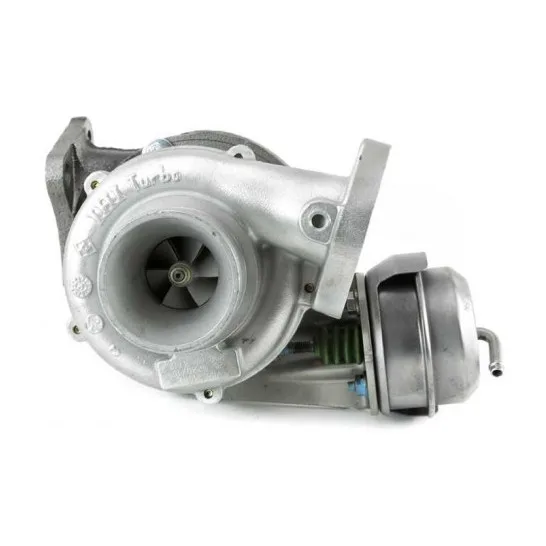
The 1.7 CDTI 110 hp turbo category addresses a common need across European diesel engines, where turbo failure disrupts vehicle operation and demands swift, cost-effective solutions. Whether for a Renault, Opel, or Vauxhall model, this range provides turbos designed for exchange standard applications, ensuring seamless integration without the complexity of OEM-specific constraints. The focus remains on functional remanufacturing, where the turbo’s core components are restored to consistent quality standards.
This range is curated by a specialist wholesaler with direct access to remanufactured turbos, leveraging bulk sourcing to maintain competitive pricing while ensuring broad compatibility. The role of the wholesaler extends beyond mere distribution; it involves verifying motorization matches, managing core deposits, and facilitating returns of used units to streamline the exchange process for all parties involved.
Professional uses by trade
Different users approach the 1.7 CDTI 110 hp turbo category with distinct priorities, from garages requiring bulk orders to DIY mechanics seeking single replacements. Each profile benefits from clear compatibility data, condition assessments, and logistical support tailored to their workflow.
- Independent garage: Orders multiple turbos in exchange standard to minimize vehicle downtime during scheduled maintenance.
- Stranded motorist: Seeks a direct replacement turbo to restore power loss symptoms like reduced acceleration or excessive smoke.
- DIY enthusiast: Purchases a single remanufactured turbo for self-installation, prioritizing compatibility and clear instructions.
- German buyer (DACH): Prefers turbos labeled for exchange standard to align with local workshop practices and core deposit systems.
- Fleet manager: Sources turbos in bulk to maintain vehicle uptime across a commercial diesel fleet with 1.7 CDTI engines.
- Mechanic in rural workshop: Relies on exchange standard turbos for quick repairs, avoiding delays from OEM part shortages.
- Passionate driver: Replaces a failing turbo to prevent further engine damage, focusing on long-term reliability over cost alone.
Range comparison
Two remanufactured turbos dominate this category, each designed for the 1.7 CDTI 110 hp motorization with verified compatibility. The following options reflect the most common exchange standard units available for this engine configuration.
| Range | Use | Format |
|---|---|---|
| Turbo IHI VIFC | Direct fit for Opel/Vauxhall 1.7 CDTI | |
| SL Turbo 779591-5004S | Renault 1.7 dCi 110 hp application |
How to choose
Selecting the right turbo for a 1.7 CDTI 110 hp engine requires attention to motorization specifics, condition of the core unit, and packaging suitability for your workflow. Professionals prioritize units that align with their inventory rotation and client expectations.
- Verify motorization code and power output to ensure the turbo matches the vehicle’s exact specifications without assumptions.
- Assess the condition of the core deposit unit; a well-preserved core reduces additional costs and delays in the exchange process.
- Check packaging for bulk suitability if ordering multiple turbos, ensuring protection during transit to prevent damage.
- Confirm compatibility with the vehicle’s model year and transmission type to avoid mismatches in fitment or performance.
- Prioritize turbos labeled for exchange standard to simplify returns of used units and streamline logistics for workshops.
- Evaluate the remanufacturing process used; consistent quality in core restoration ensures longevity and performance consistency.
- Consider the wholesaler’s return policy for core deposits, as flexible terms reduce financial risk for buyers in bulk orders.
Storage & logistics
For B2B buyers, proper storage of exchange standard turbos is essential to maintain their condition before installation. Keep units in a dry, temperature-controlled environment away from contaminants like dust or moisture, which can compromise seals or bearings. Label inventory clearly with motorization codes and power ratings to prevent mix-ups during order fulfillment. Rotate stock regularly to ensure older units are used first, reducing the risk of obsolescence or performance degradation over time.
With over a decade of experience in turbo exchange standards, our team has refined the process of matching remanufactured units to 1.7 CDTI 110 hp applications, ensuring each turbo meets the same performance benchmarks as the original equipment.— autoKUR team
Related categories
Browse our other ranges:
Useful references
For regulatory and sector references, see Reglement (UE) 461/2010 — pieces de rechange et garantie constructeur.