
Available products
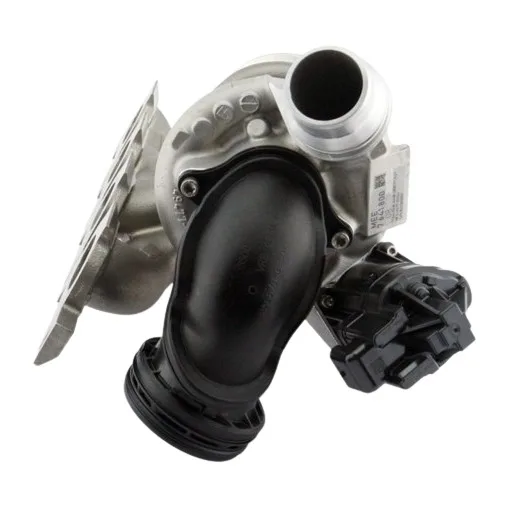
In stock
1 exchange-standard reference(s) match the MINI Countryman (F60) 2.0 Cooper S 192 hp (141 kW petrol). Output is the deciding criterion: a part meant for another output of the same displacement will not fit.
Engine specification: 1998 cm³, petrol, built since 01/2016. Matching part number: 49477-02224 (Mitsubishi). Compare with the code stamped on your part.
Other engines of the MINI Countryman (F60): Cooper SD 190 hp, Cooper SD all4 190 hp, 2.0 Cooper D 150 hp. If the code stamped on your part is legible, search by reference remains the safest route. 24-month warranty.
Related categories
Frequently asked questions
About this category
The BMW 2.0 Cooper S 192 HP turbocharger category addresses a critical need for reliable, high-performance exchange-standard turbos designed specifically for this motorization. Whether you’re a mechanic sourcing parts for a client’s vehicle or an owner performing repairs yourself, this range provides turbos that restore original power levels without the expense of brand-new units. The turbos listed here are compatible with the N20/N26 engine family, covering model years from 2011 to 2016, and are engineered to handle the demands of forced induction.
This range is built in collaboration with leading turbo remanufacturers, ensuring each unit undergoes rigorous testing for pressure ratios, wastegate functionality, and bearing wear. The turbos are supplied through a network of automotive wholesalers, delivering availability and competitive pricing for both B2B and B2C customers. The focus remains on delivering a product that meets the strict tolerances of BMW’s engineering standards.
Professional uses by trade
Different users approach turbo replacement with distinct priorities: garages prioritize speed and reliability, DIY enthusiasts seek cost-effective solutions, and German buyers demand precision-engineered components. Each group benefits from turbos that are pre-verified for fitment and performance, reducing guesswork in repairs.
- Le garagiste independant : Replace a failing turbo on a 2014 BMW 2 Series Coupe 2.0 Cooper S 192 HP with a remanufactured unit to restore full power delivery and avoid costly customer callbacks.
- L'automobiliste depanne : Diagnose a sudden loss of acceleration in your Cooper S by swapping the turbo with an exchange-standard unit, ensuring the issue is resolved without the expense of a new turbo.
- Le passionne qui fait lui-meme : Install a turbo from this range to address a persistent whistling noise or excessive exhaust smoke, confident in its compatibility with your 2.0-liter engine.
- Der deutsche Kaeufer (DACH) : Order a turbo for your BMW 2.0 Cooper S with confidence, knowing it meets the high standards of German automotive engineering and is backed by a supplier with a proven track record.
- Le garagiste independant : Use an exchange-standard turbo to reduce inventory costs while maintaining the ability to service a wide range of BMW models, including the 2.0 Cooper S.
- L'automobiliste depanne : Avoid the downtime of a workshop visit by sourcing a turbo that fits your Cooper S’s motorization, allowing you to perform the replacement at your convenience.
- Der deutsche Kaeufer (DACH) : Benefit from turbos that are tested for consistent quality, ensuring long-term reliability for your BMW’s 2.0-liter engine without the need for frequent replacements.
Range comparison
The turbos listed below are specifically selected for the BMW 2.0 Cooper S 192 HP, covering the most common failure points and ensuring a direct fit for the N20/N26 engine family.
| Range | Use | Format |
|---|---|---|
| Turbo Mitsubishi 49477-02224 | direct replacement for Cooper S turbos |
How to choose
Selecting the right turbo for your BMW 2.0 Cooper S requires attention to several key factors, including compatibility, condition, and supplier reliability. Each criterion plays a role in ensuring the turbo performs as expected in your vehicle.
- Verify the turbo’s compatibility with your Cooper S’s engine code (N20 or N26) to ensure a perfect fit and avoid installation issues.
- Check the turbo’s condition—whether it is general-overhauled or factory-remanufactured—to confirm it meets the standards of a professional workshop or DIY repair.
- Prioritize turbos from suppliers with a proven track record in remanufacturing, as this ensures consistent quality and reduces the risk of premature failure.
- Consider the turbo’s packaging and handling requirements, especially if you are sourcing parts for a fleet or multiple vehicles, to streamline logistics and storage.
- Evaluate the supplier’s return policy for core deposits, as this can impact your overall cost and the ease of returning the old turbo for recycling.
- Assess the turbo’s wastegate and variable geometry functionality, as these components are critical to maintaining the Cooper S’s performance and fuel efficiency.
- Review the supplier’s inventory rotation to ensure you receive a turbo that has been recently tested and is less likely to have been sitting in storage for extended periods.
Storage & logistics
Storing exchange-standard turbos requires careful handling to preserve their condition and performance. Keep units in a dry, temperature-controlled environment to prevent moisture damage or corrosion, especially for turbos with variable geometry mechanisms. Avoid stacking turbos directly on top of each other to prevent stress on the CHRA or wastegate components. For garages and wholesalers, use labeled storage bins to track inventory by motorization and model year, ensuring quick access to the right turbo when a repair is needed. Regularly inspect stored turbos for signs of damage or contamination, and rotate stock to prioritize older units for faster turnover.
With over a decade of experience in turbo remanufacturing, our team ensures every unit meets the rigorous standards of BMW’s 2.0-liter engines, delivering reliability that workshops and enthusiasts trust.— autoKUR team
Related categories
Browse our other ranges:
- Cooper SD 190 hp
- Cooper SD all4 190 hp
- 2.0 Cooper D 150 hp
- Cooper D 150 hp
- Cooper D all4 150 hp
- 2.0 Cooper D 143 hp
Useful references
For regulatory and sector references, see Reglement (UE) 461/2010 — pieces de rechange et garantie constructeur.