
Available products
In stock
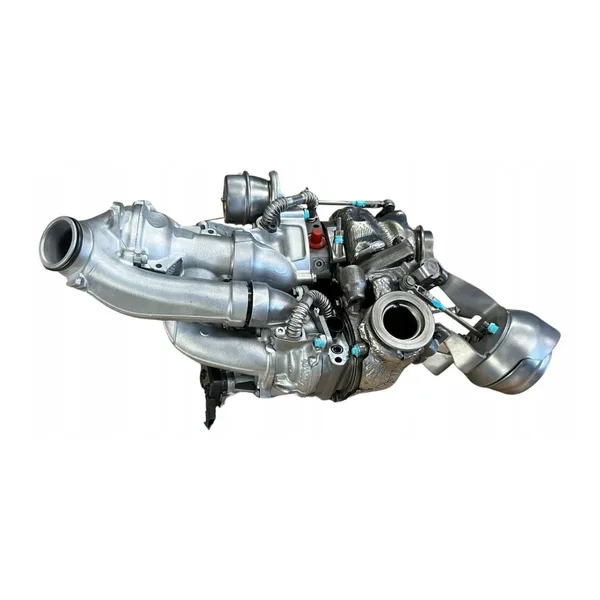
The MERCEDES Classe E (W213) 300 D 245 hp (180 kW diesel) is covered by 1 exchange-standard reference(s). Check output before displacement: it determines the part.
Engine specification: 1950 cm³, diesel. Matching part number: AL0082 (BorgWarner - KKK). Compare with the code stamped on your part.
Other engines of the MERCEDES Classe E (W213): AMG E 63 612 hp, AMG E 63 571 hp, 53 AMG 435 hp. If the code stamped on your part is legible, search by reference remains the safest route. 24-month warranty.
Related categories
Frequently asked questions
About this category
The Mercedes-Benz OM642 V6 3.0 diesel turbocharged engine, found in models like the 300 D 245 hp, is renowned for its balance of power and efficiency, but its turbocharger is a critical component prone to wear over time. This category provides exchange-standard turbos designed for direct replacement, eliminating the need for costly OEM purchases while maintaining the engine’s original performance characteristics. Whether you’re a professional mechanic or a DIY repairer, these turbos are engineered to restore your vehicle’s responsiveness and fuel economy without compromising reliability.
Our range is curated from trusted remanufacturers who specialize in restoring turbos to their original specifications, ensuring each unit undergoes rigorous testing for balance, seal integrity, and performance. As a wholesale supplier, we bridge the gap between high-cost OEM parts and generic aftermarket alternatives, offering a middle ground where quality meets affordability. The turbos listed here are sourced from brands with a proven track record in diesel applications, delivering consistency across your repair projects.
Professional uses by trade
Different users approach turbo replacement with distinct priorities: garages prioritize speed and reliability, stranded drivers seek immediate solutions, and DIY enthusiasts value cost savings and hands-on control. Below, we outline how each group can leverage this category to address their specific needs efficiently.
- Independent garage: Replace a failing turbo on a 300 D 245 hp within a single workshop visit, minimizing vehicle downtime and maximizing customer satisfaction.
- Stranded driver: Order an exchange-standard turbo online and install it yourself to get back on the road without waiting for a mechanic’s schedule.
- DIY enthusiast: Source a remanufactured turbo to save on labor costs while ensuring the engine’s performance matches OEM standards.
- German buyer (DACH): Purchase a turbo that meets local emissions and durability requirements, avoiding compatibility issues with regional inspection protocols.
- Fleet manager: Maintain a stock of exchange-standard turbos to reduce vehicle idle time and keep operational costs predictable.
- Classic car restorer: Restore a vintage Mercedes with a turbo that blends seamlessly with the original engine’s characteristics, preserving authenticity.
- Performance tuner: Upgrade or replace a worn turbo to enhance throttle response and power output without compromising reliability.
Range comparison
Below, you’ll find a selection of exchange-standard turbos specifically designed for the Mercedes-Benz OM642 V6 3.0 diesel engine, covering the 300 D 245 hp range. Each option is presented with its key attributes to help you make an informed decision.
| Range | Use | Format |
|---|---|---|
| Turbo BorgWarner - KKK AL0082 | emergency replacements |
How to choose
Selecting the right turbo for your Mercedes-Benz OM642 V6 3.0 diesel involves more than just matching the part number—it requires evaluating condition, compatibility, and long-term reliability. Below are the key criteria professionals and enthusiasts use to narrow down their choices.
- Condition: Opt for turbos labeled as remanufactured or exchange-standard, as these have undergone professional refurbishment to restore their original performance.
- Compatibility: Verify the turbo’s fitment against your vehicle’s model year, engine code, and power output to avoid mismatches that could lead to further issues.
- Brand reputation: Prioritize turbos from manufacturers with a history of reliability in diesel applications, ensuring consistent quality across batches.
- Packaging: Choose turbos shipped in protective, industry-standard packaging to prevent damage during transit and storage.
- Rotation stock: For garages, select turbos with a high turnover rate to ensure freshness and reduce the risk of hidden defects in long-term storage.
- Core deposit: Consider turbos that include a core deposit option, allowing you to return your old unit for a refund and simplify the recycling process.
- Technical support: Look for suppliers that offer documentation or guidance on installation, as proper fitting is critical to avoiding leaks or performance drops.
Storage & logistics
For garages and fleet managers, storing exchange-standard turbos requires attention to environmental conditions to prevent corrosion or seal degradation. Keep turbos in a climate-controlled space, away from moisture and direct sunlight, and store them in their original packaging or equivalent protective covers. Rotate stock regularly to ensure older units are used first, reducing the risk of parts sitting idle for extended periods. Label each turbo with its model and compatibility details to streamline retrieval and minimize errors during busy repair schedules.
With over 15 years in the turbo remanufacturing industry, our team has seen how a single faulty turbo can cascade into engine failure if not addressed promptly. We don’t just sell parts—we provide solutions that restore your Mercedes-Benz’s performance with the confidence of a job well done.— autoKUR team
Related categories
Browse our other ranges:
Useful references
For regulatory and sector references, see Reglement (UE) 461/2010 — pieces de rechange et garantie constructeur.