


Frequently asked questions
About this category
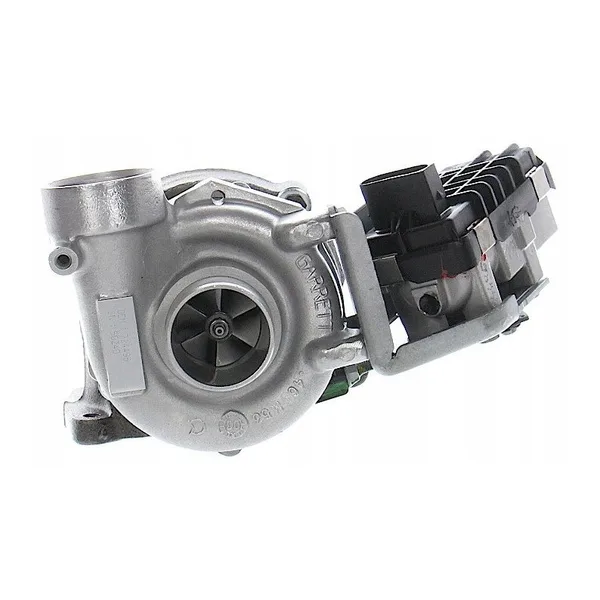
The Mercedes 400 CDI 260 hp turbo exchange standard category serves independent workshops, roadside repair technicians, passionate DIY mechanics, and German-speaking buyers seeking durable solutions for turbocharged diesel engines. This range includes remanufactured turbochargers designed to restore original performance levels while avoiding the expense of new OEM parts, making it ideal for both emergency repairs and planned maintenance.
Each turbocharger in this category is sourced from specialized remanufacturers who disassemble, inspect, and rebuild units to OEM standards, replacing worn components with high-grade materials. The role of the wholesale supplier is critical here, as it bridges the gap between remanufacturers and end-users, ensuring consistent supply, competitive pricing, and adherence to strict quality controls without overcomplicating the procurement process.
Professional uses by trade
Different user groups approach the 400 CDI 260 hp turbo exchange standard category with distinct priorities, whether for rapid repairs, cost efficiency, or technical precision, but all share a need for reliable, ready-to-install solutions.
- Le garagiste independant : Uses remanufactured turbos to minimize vehicle downtime during repairs, ensuring customers return quickly with restored engine performance and no risk of premature failure.
- L'automobiliste depanne : Relies on exchange turbos to resolve sudden power loss or excessive smoke, avoiding the high cost of dealership repairs while maintaining drivability until a permanent solution is implemented.
- Le passionne qui fait lui-meme : Prefers exchange turbos for their straightforward installation process, allowing DIY enthusiasts to tackle repairs without specialized tools or extensive mechanical knowledge.
- Der deutsche Kaeufer (DACH) : Seeks remanufactured turbos for their balance of affordability and reliability, often comparing core deposit options to reduce upfront costs while ensuring long-term performance.
- Le garagiste independant : Selects turbos with verified compatibility to OEM specifications, reducing the risk of misfitting and ensuring seamless integration with the vehicle's engine management system.
- L'automobiliste depanne : Chooses exchange turbos based on symptom resolution, such as addressing whining noises or boost pressure inconsistencies, to restore normal driving conditions efficiently.
- Der deutsche Kaeufer (DACH) : Prioritizes turbos with clear documentation of remanufacturing processes, providing confidence in the component's durability and adherence to industry standards.
Range comparison
The following turbochargers represent the core options available for the Mercedes 400 CDI 260 hp, each designed to meet specific performance and compatibility requirements across different use cases.
| Range | Use | Format |
|---|---|---|
| Turbo Garrett 724495-5004S | High-flow performance rebuild | |
| Turbo Garrett 724496-5004S | Standard duty cycle replacement |
How to choose
Selecting the right turbo for a 400 CDI 260 hp requires evaluating several key factors, including installation ease, long-term reliability, and alignment with the vehicle's intended use, whether for daily driving or high-performance applications.
- Conditioning: Preference for turbos with pre-lubricated bearings and balanced rotors to simplify installation and reduce break-in time for immediate performance restoration.
- Conservation: Opting for units stored in climate-controlled environments to prevent moisture damage and ensure the integrity of internal components before installation.
- Regularity: Choosing turbos from suppliers with consistent remanufacturing cycles to avoid variations in quality and performance between batches.
- Rotation: Prioritizing turbos with documented core exchange policies to streamline returns and reduce the financial burden of core deposits for end-users.
- Compatibility: Ensuring the turbo matches the engine's power output and turbo geometry, particularly for applications with variable vane turbos or electronic boost control.
- Documentation: Selecting turbos with clear OEM reference cross-referencing to avoid misfitting and ensure seamless integration with the vehicle's systems.
- Supplier trust: Relying on suppliers with a track record of delivering remanufactured turbos that meet or exceed OEM durability standards without hidden defects.
Storage & logistics
For B2B logistics, remanufactured turbos must be stored in facilities that maintain stable temperature and humidity levels to prevent corrosion or bearing degradation. Units should be kept in sealed packaging until point of sale, with clear labeling indicating model compatibility and remanufacturing date. Palletized storage with anti-vibration protection ensures the integrity of internal components during transit, while first-in-first-out rotation prevents stock obsolescence. Suppliers should also provide climate-controlled storage for core returns, ensuring returned units remain in usable condition for remanufacturing cycles. This approach minimizes waste and maximizes the value of each exchange unit throughout its lifecycle.
With over a decade of experience in turbo remanufacturing, our team has refined the process to deliver components that restore original performance without compromise, ensuring every exchange unit meets the demands of demanding diesel applications.— autoKUR team
Related categories
Browse our other ranges:
Useful references
For regulatory and sector references, see Reglement (UE) 461/2010 — pieces de rechange et garantie constructeur.