


Frequently asked questions
About this category
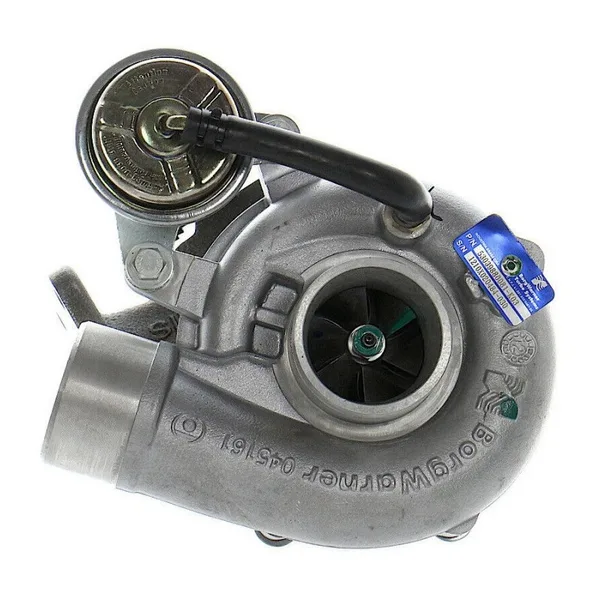
The 2.8 JTD 128 hp turbocharger category addresses a common failure point in diesel engines of this specification, where loss of power, excessive smoke, or unusual noises signal a failing unit. This range includes exchange-standard turbos designed for direct replacement, eliminating the need for costly OEM purchases or lengthy repairs. Whether you are a mechanic sourcing parts for a customer’s vehicle or a driver performing a DIY swap, these turbos offer a cost-effective path to restoring engine performance.
Each turbo in this category is part of a carefully curated wholesale program, where remanufacturers rebuild units to original specifications using high-quality components. The role of the distributor is to aggregate these products, ensuring consistent availability and competitive pricing for garages and private buyers alike. This model bridges the gap between OEM quality and aftermarket affordability.
Professional uses by trade
Different users approach the 2.8 JTD 128 hp turbocharger exchange standard for distinct reasons, from emergency repairs to planned maintenance. Garages rely on these parts for quick turnarounds, while DIYers seek cost savings and control over the repair process. German buyers, in particular, value the reliability of exchange-standard units for their fleet or personal vehicles.
- Le garagiste independant : Uses exchange turbos to minimize vehicle downtime during repairs, ensuring customers return for future service.
- L'automobiliste depanne : Prefers exchange-standard turbos for their balance of cost and reliability when facing sudden power loss on the road.
- Le passionne qui fait lui-meme : Chooses exchange turbos to reduce repair costs while maintaining control over the installation process.
- Der deutsche Kaeufer (DACH) : Values exchange-standard turbos for their consistent quality and compatibility with European diesel engines.
- Le garagiste independant : Orders in bulk to stock core components, reducing lead times for common turbo failures in workshop fleets.
- L'automobiliste depanne : Opts for exchange turbos when professional repairs are delayed, prioritizing immediate vehicle usability.
- Der deutsche Kaeufer (DACH) : Selects exchange turbos for fleet maintenance, ensuring predictable performance across multiple vehicles.
Range comparison
The following turbos are verified for the 2.8 JTD 128 hp engine, with each unit tested for fitment and performance before distribution. These options cover the most common applications, ensuring compatibility with your vehicle’s specifications.
| Range | Use | Format |
|---|---|---|
| SL Turbo 49377-07050 | Direct replacement for Alfa Romeo 159 and related models | |
| SL Turbo 5303 988 0081 | Fits Fiat Ducato and compatible diesel engines |
How to choose
Selecting the right turbo for the 2.8 JTD 128 hp requires attention to compatibility, condition, and packaging. Professionals should prioritize units with clear OEM references and robust packaging to prevent damage during transit.
- Verify the turbo’s OEM reference matches your vehicle’s engine code to ensure a perfect fit without modifications.
- Inspect the unit for signs of wear or damage, such as cracked housings or corroded connectors, before installation.
- Choose turbos with pre-installed gaskets or seals to simplify the replacement process and reduce error.
- Opt for units packaged in sturdy, moisture-resistant materials to protect against transit damage.
- Prioritize turbos from suppliers with a consistent track record in remanufacturing and quality control.
- Check for core deposit requirements, as some suppliers mandate return of the old unit to complete the transaction.
- Select turbos with clear labeling for geometry variable settings, if applicable to your engine’s specifications.
Storage & logistics
For garages and distributors, storing exchange-standard turbos requires controlled conditions to maintain their condition until installation. Keep units in a dry, temperature-stable environment away from direct sunlight, and avoid stacking heavy items on top of packaging. Rotate stock regularly to ensure older units are used first, preventing degradation over time. For bulk orders, use shelving with dividers to prevent contact between turbos, which could damage delicate components like the CHRA or variable geometry mechanisms. Always handle turbos with care, using gloves to avoid transferring oils or contaminants to the unit.
With over a decade in the exchange-standard turbo market, our team has seen how the right part at the right time can turn a stranded vehicle back into a reliable daily driver. We don’t just sell turbos—we provide the confidence that comes from knowing every unit has been vetted for compatibility and performance.— autoKUR team
Related categories
Browse our other ranges:
Useful references
For regulatory and sector references, see Reglement (UE) 461/2010 — pieces de rechange et garantie constructeur.