
Available products
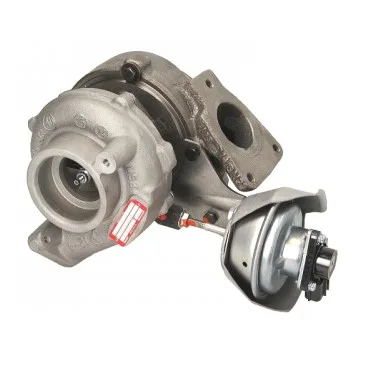
In stock
For the CITROËN C5 2 in 2.0 HDi 140 hp (103 kW diesel), the autoKUR catalogue holds 1 exchange-standard reference(s). At equal displacement, two outputs do not call for the same part.
Engine specification: 1997 cm³, diesel, built since 04/2009. Matching part number: 756047-5005S (SL Turbo). Compare with the code stamped on your part.
Other engines of the CITROËN C5 2: 3.0 HDi 241 hp, 2.2 HDi 204 hp, 2.7 HDi 204 hp. If the code stamped on your part is legible, search by reference remains the safest route. 24-month warranty.
Related categories
Frequently asked questions
About this category
The 2.0 HDi 140 hp turbo exchange standard category serves owners of diesel-powered vehicles seeking a cost-effective solution to turbo failure. This range includes remanufactured turbos designed to match the original equipment manufacturer’s specifications, ensuring reliable performance for Peugeot, Citroën, and other compatible models. Whether for a garage repair or a personal project, these turbos provide a viable alternative to new OEM parts.
This range is built on a foundation of remanufactured turbos, where worn components are restored to factory-like condition through a rigorous process. The turbos are sourced from a network of trusted suppliers, ensuring that each unit meets the highest standards of quality and compatibility. The role of the wholesaler is pivotal in maintaining stock availability and providing competitive pricing for bulk orders.
Professional uses by trade
Different users approach the 2.0 HDi 140 hp turbo exchange standard category with distinct needs, from professional mechanics requiring bulk supplies to DIY enthusiasts tackling repairs themselves. Each group seeks a product that balances reliability, ease of installation, and value for money.
- Le garagiste independant : Uses remanufactured turbos to minimize downtime for customers, ensuring quick turnaround with parts that meet OEM standards without the premium price of new units.
- L'automobiliste depanne : Relies on exchange standard turbos to restore vehicle performance after noticing symptoms like loss of power or excessive smoke from the exhaust.
- Le passionne qui fait lui-meme : Prefers remanufactured turbos for their balance of cost and quality, often sourcing them for projects where original parts are unavailable or prohibitively expensive.
- Der deutsche Kaeufer (DACH) : Seeks turbos that comply with European emissions standards and are compatible with common diesel models, prioritizing durability and ease of installation.
- Le garagiste independant : Orders turbos in bulk to maintain a steady supply for routine repairs, reducing the need for emergency part sourcing during busy periods.
- L'automobiliste depanne : Chooses exchange standard turbos to avoid the high costs of dealership repairs, opting for a solution that restores function without compromising on quality.
- Der deutsche Kaeufer (DACH) : Values turbos that come with clear compatibility documentation, ensuring they can be installed without additional modifications or guesswork.
Range comparison
The following table compares the available turbos in the 2.0 HDi 140 hp exchange standard range, highlighting their key features and intended uses for different customer profiles.
| Range | Use | Format |
|---|---|---|
| SL Turbo 756047-5005S | Suitable for DIY enthusiasts restoring older models |
How to choose
Selecting the right turbo for a 2.0 HDi 140 hp engine requires attention to compatibility, condition, and intended use. Professionals and motorists alike must evaluate factors such as packaging, storage conditions, and the reputation of the remanufacturer to ensure a successful repair.
- Conditioning: Opt for turbos that are clearly labeled as remanufactured or exchange standard, ensuring they have undergone professional refurbishment.
- Compatibility: Verify the turbo’s fitment against the vehicle’s engine code and model year to avoid mismatches that could lead to further issues.
- Packaging: Choose turbos that are packaged securely to prevent damage during transit, especially for bulk orders destined for workshops.
- Conservation: Prefer turbos stored in climate-controlled environments to maintain their condition and prevent corrosion or contamination.
- Rotation: Select suppliers with a high turnover of stock to ensure the turbos are recent and have not been sitting in storage for extended periods.
- Documentation: Ensure the turbo comes with clear compatibility guides or OEM reference lists to simplify the selection process.
- Brand reputation: Prioritize turbos from manufacturers with a track record in remanufacturing, as this often correlates with consistent quality.
Storage & logistics
For workshops and bulk buyers, proper storage of exchange standard turbos is essential to maintain their condition until installation. Turbos should be kept in a dry, temperature-controlled environment away from direct sunlight and contaminants. Avoid stacking heavy items on top of packaging to prevent deformation. Regular inventory checks help identify any units that may have been compromised by storage conditions, ensuring only the highest-quality parts are used for repairs.
With over a decade of experience in turbo remanufacturing, our team ensures every 2.0 HDi 140 hp turbo meets the rigorous standards expected by professionals and motorists alike, delivering reliability without compromise.— autoKUR team
Related categories
Browse our other ranges:
Useful references
For regulatory and sector references, see Reglement (UE) 461/2010 — pieces de rechange et garantie constructeur.