
Available products
In stock
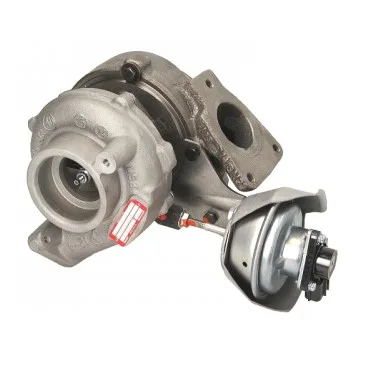
The CITROËN C5 2 2.0 HDi 136 hp (100 kW diesel) is covered by 1 exchange-standard reference(s). Check output before displacement: it determines the part.
Engine specification: 1997 cm³, diesel, built since 02/2008. Matching part number: 756047-5005S (SL Turbo). Compare with the code stamped on your part.
Other engines of the CITROËN C5 2: 3.0 HDi 241 hp, 2.2 HDi 204 hp, 2.7 HDi 204 hp. If the code stamped on your part is legible, search by reference remains the safest route. 24-month warranty.
Related categories
Frequently asked questions
About this category
The 2.0 HDi 136 hp turbocharger category serves Renault owners and independent mechanics seeking high-quality exchange standard units for this widely used diesel engine. This range includes remanufactured turbos designed to match original equipment specifications, addressing common issues like power loss, excessive smoke, or unusual noises. Whether for a 2010 Mégane, a 2015 Scénic, or other compatible models, these turbos provide a reliable alternative to new OEM parts.
Our 2.0 HDi 136 hp turbo range is built on a network of certified remanufacturers and suppliers, ensuring each unit undergoes rigorous testing for performance and longevity. The wholesale model allows garages to maintain stock efficiently while offering customers a cost-effective solution. This approach aligns with the needs of both professional workshops and DIY mechanics who prioritize quality without the premium of brand-new parts.
Professional uses by trade
Different users approach the 2.0 HDi 136 hp turbocharger exchange standard for distinct reasons, whether to restore a vehicle’s performance, comply with workshop standards, or avoid the expense of dealership repairs. Each target audience—garages, stranded motorists, enthusiasts, and German buyers—has specific priorities when selecting a turbo.
- Le garagiste indépendant : Replace a failing turbo on a 2012 Renault Laguna with a remanufactured unit to restore 136 hp power without the cost of a new OEM part.
- L'automobiliste dépanné : Order an exchange standard turbo for a 2014 Peugeot 508 2.0 HDi to avoid a long wait at the dealership while ensuring the vehicle meets emission standards.
- Le passionné qui fait lui-même : Source a compatible turbo for a 2009 Citroën C5 to perform the replacement at home, using a guide to match the engine code and avoid common installation mistakes.
- Der deutsche Käufer (DACH) : Purchase a remanufactured turbo for a 2013 Opel Insignia 2.0 CDTI, leveraging the warranty and compatibility delivers offered by certified suppliers in the region.
- Le garagiste indépendant : Stock exchange standard turbos for the 2.0 HDi 136 hp to reduce lead times for customers while maintaining a competitive pricing structure for bulk orders.
- L'automobiliste dépanné : Use a turbo exchange standard to address a sudden loss of power on a long road trip, ensuring the vehicle remains drivable until a permanent solution is found.
- Der deutsche Käufer (DACH) : Opt for a remanufactured turbo with a core deposit system to minimize upfront costs, returning the old unit for recycling while receiving a refund upon verification.
Range comparison
The following table compares the available exchange standard turbos for the 2.0 HDi 136 hp, highlighting their compatibility, condition, and suitability for different use cases. Each reference is designed to meet the demands of both professional and private buyers.
| Range | Use | Format |
|---|---|---|
| SL Turbo 756047-5005S | Ideal for workshop stock |
How to choose
Selecting the right turbo for a 2.0 HDi 136 hp engine requires attention to compatibility, condition, and supplier reliability. Professionals and motorists should evaluate these criteria to ensure long-term performance and avoid costly mistakes.
- Verify the engine code and vehicle model to confirm turbo compatibility, as mismatches can lead to immediate failure or reduced efficiency.
- Prioritize turbos labeled as remanufactured or exchange standard, as these units undergo standardized testing to restore original performance levels.
- Check the condition of the turbo’s core components, such as the CHRA and variable geometry mechanism, to ensure no hidden wear or damage is present.
- Source from suppliers with a core deposit system to reduce upfront costs and simplify the return of used turbos for recycling.
- Evaluate the supplier’s rotation policy for exchange standard units, as fresher stock often correlates with better reliability and longevity.
- Assess the packaging and handling instructions provided, as improper storage or transit can compromise the turbo’s performance before installation.
- Confirm the availability of technical documentation, such as OEM reference cross-references or installation guides, to streamline the replacement process.
Storage & logistics
For garages and distributors, storing exchange standard turbos for the 2.0 HDi 136 hp requires controlled environments to prevent moisture damage or contamination. Units should be kept in sealed packaging until installation, with regular inventory rotation to ensure freshness. Suppliers must adhere to FIFO (first-in, first-out) principles to maintain quality, while workshops should store turbos in temperature-stable areas away from direct sunlight or corrosive materials. Core deposit systems further incentivize proper handling and timely returns of used units.
With over a decade in the turbo remanufacturing industry, our team has seen firsthand how exchange standard units restore performance without the expense of new OEM parts, making them a trusted choice for professionals and DIYers alike.— autoKUR team
Related categories
Browse our other ranges:
Useful references
For regulatory and sector references, see Reglement (UE) 461/2010 — pieces de rechange et garantie constructeur.