

Available products
3 references
Frequently asked questions
About this category
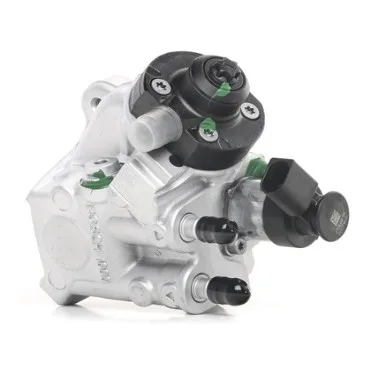
The 2.0 TDI 120 HP diesel engine, found in numerous European vehicles from the late 2000s to early 2010s, demands reliable fuel injection components to perform under high pressure and variable loads. This category provides exchange standard high-pressure pumps designed for direct replacement, addressing common failures such as inconsistent fuel delivery, hard starting, or excessive smoke. Whether for a professional mechanic or a DIY enthusiast, these pumps restore engine responsiveness and efficiency without the expense of an OEM new part.
Each high-pressure pump in this range is sourced from reputable suppliers and undergoes a remanufacturing process that includes thorough cleaning, component inspection, and pressure testing to meet the original equipment specifications. The wholesale approach ensures that garages and repair shops can access these critical components at a fraction of the cost of new units, while maintaining the performance standards expected in modern diesel engines.
Professional uses by trade
For garages, these pumps are a staple in the repair toolkit, enabling quick turnaround on common diesel engine issues. DIY enthusiasts and breakdown drivers also benefit from the straightforward replacement process, which requires no specialized tools beyond basic mechanical knowledge.
- Le garagiste independant : Replaces a failing high-pressure pump in a 2010 Volkswagen Golf 2.0 TDI 120 HP to resolve a persistent misfire and restore smooth acceleration.
- L'automobiliste depanne : Orders an exchange standard pump for a 2009 Audi A4 2.0 TDI 120 HP after noticing a loss of power and increased fuel consumption during highway driving.
- Le passionne qui fait lui-meme : Installs a remanufactured high-pressure pump in a 2008 Skoda Octavia 2.0 TDI 120 HP, following a step-by-step guide to avoid costly workshop fees.
- Der deutsche Kaeufer (DACH) : Purchases a high-pressure pump for a 2011 Seat Leon 2.0 TDI 120 HP to address a recurring fault code related to fuel pressure regulation.
- Le garagiste independant : Uses an exchange standard pump to service a fleet of company vehicles, ensuring consistent performance and reducing downtime for clients.
- L'automobiliste depanne : Replaces a worn-out pump in a 2007 BMW 320d 2.0 TDI 120 HP after detecting a whining noise from the engine bay during cold starts.
- Der deutsche Kaeufer (DACH) : Orders a pump for a 2012 Ford Focus 2.0 TDI 120 HP to resolve an issue with the engine entering limp mode due to irregular fuel delivery.
Range comparison
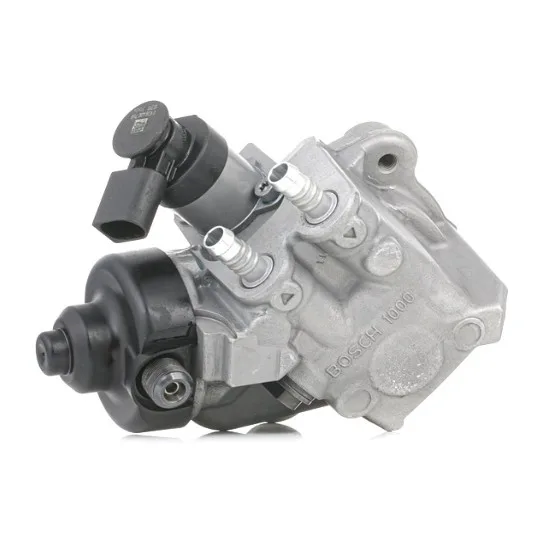
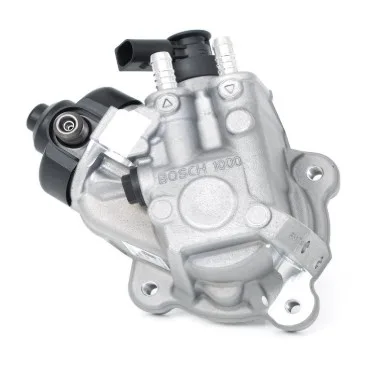
This range includes three high-pressure pump models, each engineered for specific applications within the 2.0 TDI 120 HP family. The following table compares their compatibility, use cases, and packaging to help professionals and enthusiasts select the correct unit for their vehicle.
| Range | Use | Format |
|---|---|---|
| High-pressure pump Bosch 0445010529 | Volkswagen, Audi, Skoda | |
| High-pressure pump Bosch 0445010568 | BMW, Ford, Seat | |
| High-pressure pump Bosch 0445010507 | Mercedes, Opel, Vauxhall |
How to choose
Selecting the right high-pressure pump requires attention to vehicle compatibility, engine code, and the pump’s physical dimensions. Professionals should also consider the condition of the pump’s connectors and the presence of a return line to avoid installation mismatches.
- Verify the engine code (e.g., CBAB, CBDB, or CJXB) to ensure the pump matches the vehicle’s fuel system requirements and power output specifications.
- Inspect the pump’s connectors and mounting points to confirm they align with the vehicle’s existing fuel lines and bracket holes without modifications.
- Check the pump’s pressure rating and flow capacity, as these must correspond to the engine’s original design to prevent performance issues or premature wear.
- Assess the condition of the pump’s inlet and outlet ports, ensuring they are free of corrosion or damage that could compromise fuel delivery or cause leaks.
- Confirm the pump’s packaging includes all necessary seals and gaskets, as missing components can delay installation and lead to additional costs.
- For bulk orders, prioritize pumps with standardized dimensions to simplify storage and reduce the risk of mix-ups in a busy workshop environment.
- Evaluate the pump’s warranty terms, as reputable suppliers offer coverage that reflects the remanufacturing process and the pump’s expected lifespan.
Storage & logistics
High-pressure pumps should be stored in a dry, temperature-controlled environment to prevent moisture damage to seals and electrical components. For bulk stock, use shelving units with dividers to separate models and avoid cross-contamination between different pump types. Regular inventory rotation ensures that older units are used first, maintaining freshness and reliability. Warehouses should also implement a labeling system that includes the pump’s reference number, vehicle compatibility, and date of receipt to streamline order fulfillment and reduce errors during picking.
With over a decade of experience in diesel injection components, our team has seen how a failing high-pressure pump can cripple an engine’s performance. We’ve built this range to provide garages and DIYers with reliable, remanufactured solutions that restore precision and efficiency—without the premium of a new unit.— autoKUR team
Related categories
Browse our other ranges:
- 3.0 TDI Quattro 245 hp
- 3.0 TDI Quattro 240 hp
- 3.0 TDI Quattro 211 hp
- 3.0 TDI 204 hp
- 2.0 TDI 190 hp
- 2.0 TDI Quattro 190 hp
Useful references
For regulatory and sector references, see Reglement (UE) 461/2010 — pieces de rechange et garantie constructeur.