

Available products
3 references
Frequently asked questions
About this category
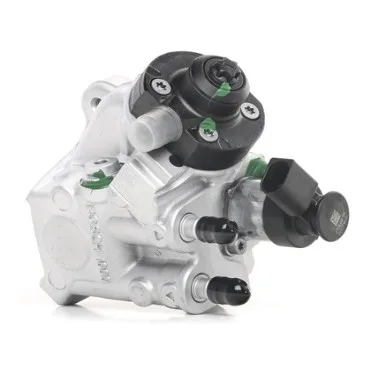
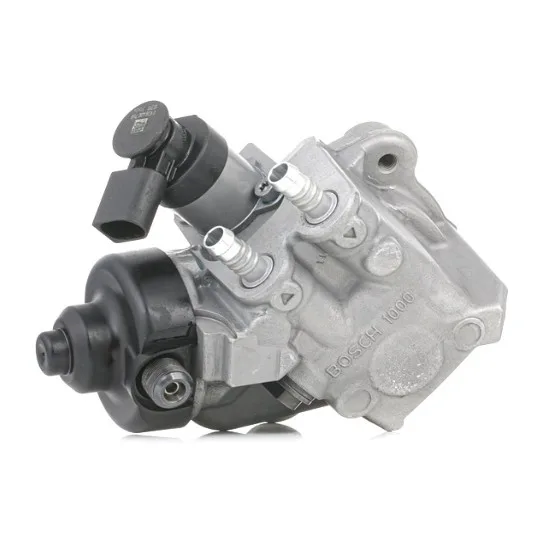
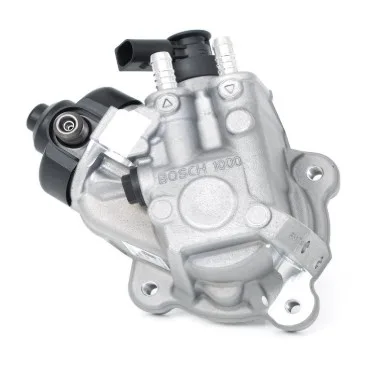
The high-pressure pump for the 2.0 TDI 143 hp engine category addresses a common failure point in diesel powertrains, where inconsistent fuel pressure leads to reduced power, excessive smoke, or rough idling. This category serves automotive technicians, DIY enthusiasts, and German-speaking buyers seeking reliable exchange-standard solutions that restore original performance without the cost of a new OEM unit. The range includes remanufactured pumps designed to meet the exacting standards of Volkswagen Group engines, ensuring compatibility across model years and applications.
This high-pressure pump range is curated by a specialist wholesaler with a focus on remanufactured components that undergo rigorous testing to validate pressure output, seal integrity, and longevity. The selection process prioritizes units that replicate the original equipment’s performance, sourced from reputable manufacturers and distributed in packaging optimized for bulk handling. By leveraging a network of certified suppliers, the range ensures consistent availability and traceability for professionals who demand reliability in their repair workflows.
Professional uses by trade
Different users approach the high-pressure pump for the 2.0 TDI 143 hp with distinct priorities, whether it’s restoring a vehicle’s performance, diagnosing a persistent issue, or sourcing a cost-effective replacement for a failing unit. The following breakdown highlights how each group leverages this category to address their specific needs efficiently.
- Independent garage mechanic: Replaces a failing pump to resolve a customer’s complaint of sudden power loss and excessive black smoke during acceleration.
- Automotive enthusiast: Sources a remanufactured pump to complete a restoration project, ensuring the engine runs smoothly without the expense of a new OEM component.
- German-speaking buyer (DACH): Orders a high-pressure pump for a 2012 Volkswagen Passat 2.0 TDI, prioritizing compatibility and long-term reliability for daily use.
- Fleet maintenance technician: Selects exchange-standard pumps to minimize vehicle downtime, stocking units that match the exact specifications of the fleet’s 2.0 TDI engines.
- DIY repairer: Diagnoses a fuel pressure issue by swapping the pump, using the opportunity to learn about the engine’s fuel system and avoid costly dealership visits.
- Workshop owner: Purchases bulk quantities of pumps to maintain a ready-to-install inventory, reducing lead times for common diesel engine repairs.
- European buyer: Seeks a high-pressure pump for a 2015 Audi A4 2.0 TDI, comparing exchange-standard options to balance cost and performance expectations.
Range comparison
The following table compares the available high-pressure pump options for the 2.0 TDI 143 hp, detailing their compatibility, packaging, and intended use cases to help professionals and enthusiasts make an informed choice.
| Range | Use | Format |
|---|---|---|
| High-pressure pump Bosch 0445010529 | direct replacement for 2010-2014 models | |
| High-pressure pump Bosch 0445010568 | fits 2015-2018 applications | |
| High-pressure pump Bosch 0445010507 | compatible with 2009-2011 engines |
How to choose
Selecting the right high-pressure pump for the 2.0 TDI 143 hp requires evaluating factors such as model year compatibility, packaging efficiency, and the pump’s remanufacturing quality to ensure a seamless replacement process.
- Verify the engine code and model year to confirm the pump’s compatibility with your vehicle’s fuel system requirements and avoid mismatched installations.
- Prioritize pumps packaged in bulk cartons for workshops that need to stock multiple units, reducing per-unit handling time and storage space.
- Inspect the pump’s condition markings to ensure it has undergone professional remanufacturing, including pressure testing and seal replacement for consistent performance.
- Choose units with clear OEM reference numbers to simplify ordering and reduce the risk of receiving incompatible or substandard alternatives.
- Opt for pumps with protective packaging to prevent damage during transit, especially for international shipments or bulk deliveries to remote locations.
- Select suppliers with a track record of supplying exchange-standard components, as their expertise ensures the pump meets the technical demands of the 2.0 TDI 143 hp.
- Consider the pump’s core deposit policy, which allows you to return the old unit for a partial refund, aligning with sustainable repair practices and reducing waste.
Storage & logistics
For workshops and bulk buyers, storing high-pressure pumps for the 2.0 TDI 143 hp requires a controlled environment to prevent contamination or damage to sensitive components. Units should be kept in their original packaging until installation, with desiccant packs included to absorb moisture and protect against corrosion. Organize inventory by model year and engine code to streamline picking and reduce the risk of misplacement, while maintaining a first-in-first-out rotation to ensure freshness. Avoid stacking heavy items on top of the pumps, as this can deform seals or housing, compromising their performance. Regularly inspect stored units for signs of wear or tampering, and document each batch’s arrival date to track shelf life and prioritize older stock for immediate use.
With over a decade of experience in sourcing remanufactured diesel components, our team understands the critical role the high-pressure pump plays in maintaining engine efficiency and reliability for the 2.0 TDI 143 hp.— autoKUR team
Related categories
Browse our other ranges:
- 3.0 TDI Quattro 245 hp
- 3.0 TDI Quattro 240 hp
- 3.0 TDI Quattro 211 hp
- 3.0 TDI 204 hp
- 2.0 TDI 190 hp
- 2.0 TDI Quattro 190 hp
Useful references
For regulatory and sector references, see Reglement (UE) 461/2010 — pieces de rechange et garantie constructeur.