

Available products
3 references
Frequently asked questions
About this category
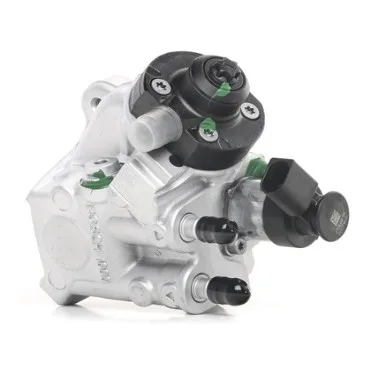
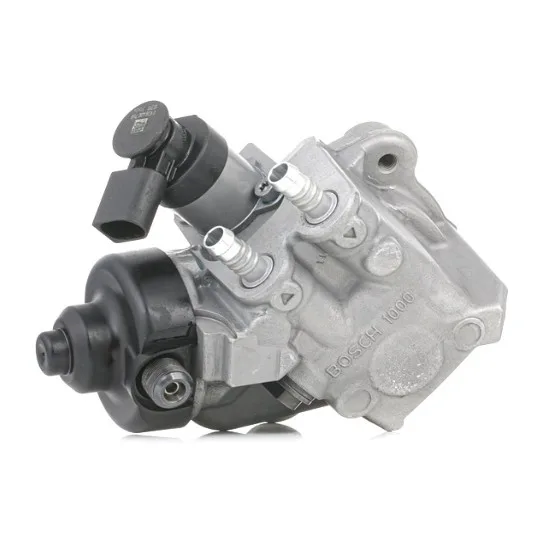
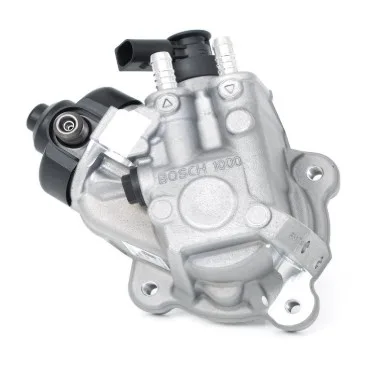
This category covers high-pressure pumps designed for 2.0 TDI 150 HP diesel engines, a critical component in Volkswagen Group vehicles where fuel injection precision directly impacts power output and emissions compliance. These pumps are available as exchange parts, meaning they replace a worn unit while the customer retains their original pump for recycling. The range includes Bosch remanufactured units, known for their durability and consistent performance in high-stress diesel applications.
The high-pressure pump range is built around Bosch remanufactured models, selected for their OEM-level tolerances and tested reliability. As a wholesale supplier, autoKUR aggregates these pumps from certified remanufacturers, ensuring stock rotation and traceability for garages and DIY enthusiasts seeking cost-effective solutions without compromising quality.
Professional uses by trade
Different users approach high-pressure pump replacement with distinct priorities: garages prioritize fast fitment and bulk availability, while DIYers focus on compatibility and return policies for core deposits. The German market, in particular, values precision-engineered exchange parts for long-term reliability.
- Le garagiste independant : Replaces a failing high-pressure pump in a 2012 Volkswagen Passat 2.0 TDI 150 HP to restore full engine power and avoid costly downtime for fleet customers.
- L'automobiliste depanne : Orders a remanufactured high-pressure pump as an exchange part to resolve a sudden loss of acceleration in their 2010 Audi A4 2.0 TDI, ensuring the old pump is returned for a deposit refund.
- Le passionne qui fait lui-meme : Sources a Bosch remanufactured high-pressure pump for a 2008 Skoda Octavia 2.0 TDI, verifying compatibility via OEM reference before attempting the installation themselves.
- Der deutsche Kaeufer (DACH) : Purchases a high-pressure pump for a 2015 Seat Leon 2.0 TDI 150 PS, prioritizing German-engineered remanufacturing standards and easy core return logistics for environmental compliance.
- Le garagiste independant : Uses a high-pressure pump exchange part to address a customer complaint of excessive black smoke from a 2013 Volkswagen Golf 2.0 TDI, confirming the pump’s role via diagnostic trouble codes before replacement.
- L'automobiliste depanne : Selects a remanufactured high-pressure pump for a 2009 Audi A6 2.0 TDI, ensuring the part matches the engine’s original specifications to prevent post-installation issues like misfires or fuel leaks.
- Der deutsche Kaeufer (DACH) : Orders a high-pressure pump for a 2011 Volkswagen Tiguan 2.0 TDI, focusing on the pump’s reputation for consistent fuel delivery in cold climates and long-term durability.
Range comparison
The following high-pressure pumps are verified remanufactured units, each designed for direct replacement in 2.0 TDI 150 HP diesel engines across multiple vehicle brands and model years.
| Range | Use | Format |
|---|---|---|
| High-pressure pump Bosch 0445010568 | fits Volkswagen and Audi models | |
| High-pressure pump Bosch 0445010529 | compatible with Skoda and Seat applications | |
| High-pressure pump Bosch 0445010507 | serves Audi and Volkswagen TDI engines |
How to choose
Selecting the right high-pressure pump requires attention to vehicle compatibility, pump condition, and return logistics for core deposits. Professionals should verify OEM references and packaging integrity before purchase.
- Verify the pump’s OEM reference matches your engine’s code to ensure direct fitment without modifications or adapters.
- Inspect the pump’s packaging for tamper-evident seals and documentation confirming its remanufactured status and original specifications.
- Check the core deposit policy to avoid unexpected fees; some suppliers require the old pump’s return within a set timeframe.
- Prioritize pumps with documented rotation history to reduce the risk of premature failure or compatibility issues in high-mileage engines.
- For bulk orders, confirm the supplier’s stock rotation practices to ensure you receive units with consistent performance characteristics.
- Assess the supplier’s return process for defective units, as some may offer exchanges without restocking fees if the issue is confirmed post-installation.
- Evaluate the pump’s physical condition, including the condition of the cartridge and CHRA, to avoid hidden defects that could lead to post-installation failures.
Storage & logistics
High-pressure pumps must be stored in a climate-controlled environment to prevent moisture damage to seals and internal components. Garages should keep pumps in their original packaging until installation to avoid contamination from dust or debris. For bulk storage, use shelving units with vibration dampening to protect the pump’s internal mechanisms from shock. Regularly rotate stock to ensure older units are used first, reducing the risk of obsolescence or performance degradation over time. Suppliers like autoKUR maintain strict inventory controls to track each pump’s age and condition, ensuring customers receive units with optimal remaining service life.
Since 2026, our team has specialized in sourcing remanufactured high-pressure pumps for 2.0 TDI 150 HP engines, ensuring each unit undergoes rigorous testing before reaching garages and DIYers who demand reliability without the premium of new OEM parts.— autoKUR team
Related categories
Browse our other ranges:
- 3.0 TDI Quattro 245 hp
- 3.0 TDI Quattro 240 hp
- 3.0 TDI Quattro 211 hp
- 3.0 TDI 204 hp
- 2.0 TDI 190 hp
- 2.0 TDI Quattro 190 hp
Useful references
For regulatory and sector references, see Reglement (UE) 461/2010 — pieces de rechange et garantie constructeur.