

Available products
2 references
Frequently asked questions
About this category
The high-pressure pump category is designed for owners and technicians working with 2.0 TDI 136 HP diesel engines, where fuel delivery precision is non-negotiable. Here, you will find exchange-standard pumps that have undergone rigorous remanufacturing processes, ensuring they meet or exceed original equipment standards. This section caters to both professionals and passionate DIYers who prioritize reliability and compatibility.
Our range is built around verified OEM references and Bosch remanufactured units, selected for their proven performance in 2.0 TDI 136 HP applications. The wholesale approach ensures competitive pricing while maintaining the quality standards expected in professional repair environments. Each pump is cross-referenced with vehicle models, engine codes, and power outputs to eliminate guesswork.
Professional uses by trade
Different roles in the automotive repair ecosystem rely on high-pressure pumps for distinct purposes. Garages prioritize durability and compatibility, while DIY enthusiasts seek ease of installation and cost-effective solutions. German-speaking buyers often require parts that align with local market standards and regulatory expectations.
- Le garagiste independant : Replaces a failing high-pressure pump in a 2012 Volkswagen Golf 2.0 TDI 136 HP with a remanufactured Bosch unit to restore full engine performance and fuel efficiency.
- L'automobiliste depanne : Orders an exchange-standard high-pressure pump for a 2010 Audi A4 2.0 TDI 136 HP after noticing a drop in power and increased fuel consumption during highway driving.
- Le passionne qui fait lui-meme : Sources a high-pressure pump for a 2008 Skoda Octavia 2.0 TDI 136 HP to perform the replacement at home, avoiding costly workshop fees while ensuring the part matches the vehicle’s exact specifications.
- Der deutsche Kaeufer (DACH) : Purchases a remanufactured high-pressure pump for a 2014 Seat Leon 2.0 TDI 136 HP, prioritizing parts that comply with German automotive repair standards and environmental regulations.
- Le garagiste independant : Uses a high-pressure pump from this category to address a common issue in 2.0 TDI 136 HP engines, where premature wear leads to inconsistent fuel delivery and rough idling.
- L'automobiliste depanne : Selects an exchange-standard pump to resolve a no-start condition in a 2011 Seat Altea 2.0 TDI 136 HP, where the original pump’s failure triggers a limp mode.
- Le passionne qui fait lui-meme : Chooses a high-pressure pump with a documented history of reliable performance in 2.0 TDI 136 HP applications, ensuring the replacement part meets the same operational demands as the original.
Range comparison
The following table compares high-pressure pumps specifically designed for 2.0 TDI 136 HP diesel engines, highlighting their key attributes and intended applications. Each entry is cross-referenced with OEM specifications to ensure seamless integration.
| Range | Use | Format |
|---|---|---|
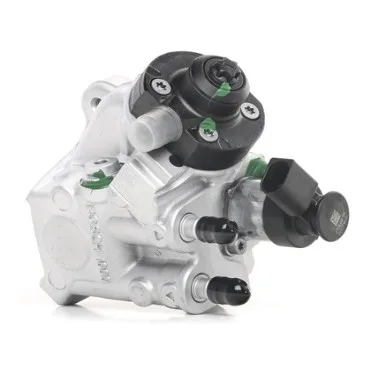
| High-pressure pump Bosch 0445010507 | Direct replacement for 2009-2012 VW Group 2.0 TDI 136 HP | |
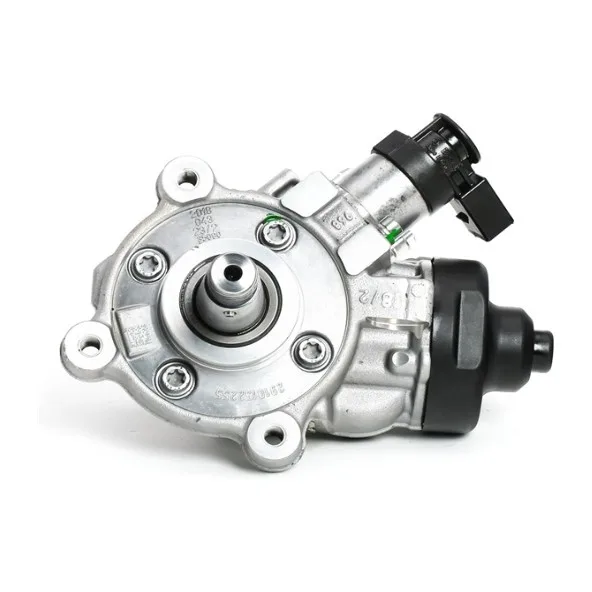
| High-pressure pump Bosch 0445010538 | Compatible with 2013-2016 2.0 TDI 136 HP models |
How to choose
Selecting the right high-pressure pump for a 2.0 TDI 136 HP engine requires attention to compatibility, remanufacturing quality, and packaging integrity. Professionals should verify the pump’s OEM reference against the vehicle’s engine code and model year to avoid mismatches.
- Verify the high-pressure pump’s OEM reference matches the vehicle’s engine code and model year to ensure seamless installation and optimal performance.
- Prioritize pumps that have undergone a documented remanufacturing process, including calibration and leak testing, to deliver consistent fuel delivery.
- Check the packaging for protective seals and anti-static measures, as these indicate the part has been handled and stored under controlled conditions.
- Opt for pumps supplied with a core deposit label, allowing for a straightforward return process of the used unit to streamline logistics and reduce costs.
- Select pumps from reputable manufacturers like Bosch, as their remanufactured units are engineered to meet the original equipment’s performance standards.
- Ensure the high-pressure pump’s geometry aligns with the engine’s fuel system requirements, particularly for applications with variable geometry turbochargers.
- For DIY enthusiasts, choose pumps with clear installation instructions and compatibility notes to simplify the replacement process and minimize errors.
Storage & logistics
High-pressure pumps for 2.0 TDI 136 HP engines must be stored in a climate-controlled environment to prevent moisture damage and corrosion. Professionals should rotate stock regularly to ensure the oldest units are used first, maintaining freshness and reliability. Warehouses should implement anti-static measures for electronic components and use protective packaging to shield pumps from impacts during transit. For bulk orders, palletized storage with desiccant packs helps preserve the pump’s internal components and seals.
With over a decade of experience in diesel injection systems, our team has seen firsthand how a high-pressure pump failure can cripple a 2.0 TDI 136 HP engine. We’ve refined our selection process to ensure every pump meets the rigorous demands of this application, delivering reliability without compromise.— autoKUR team
Related categories
Browse our other ranges:
- 2.0 TDI 184 hp
- 2.0 TDI Quattro 184 hp
- 2.0 TDI 150 hp
- 2.0 TDI Quattro 150 hp
- 2.0 TDI 143 hp
- 1.6 TDI 115 hp
Useful references
For regulatory and sector references, see Reglement (UE) 461/2010 — pieces de rechange et garantie constructeur.