

Available products
2 references
Frequently asked questions
About this category
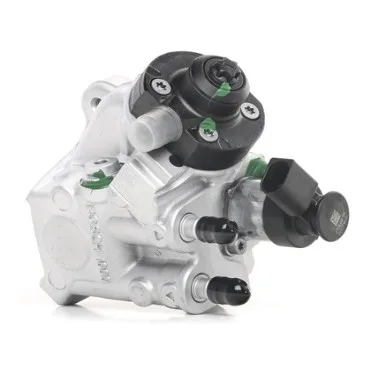
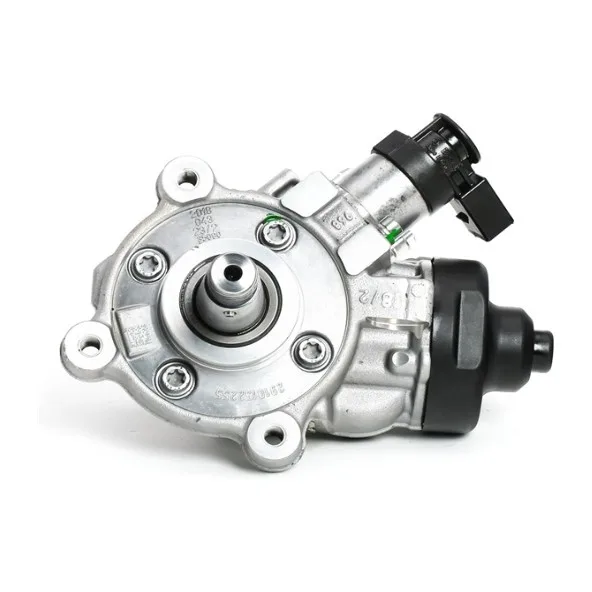
The 2.0 TDI 150 hp diesel engine, found in numerous European vehicles from the late 2000s to mid-2010s, relies on a high-pressure pump to maintain optimal fuel delivery under varying loads and temperatures. This category addresses the recurring need for replacement or remanufactured pumps, whether due to wear, contamination, or mechanical failure. Both professionals and private owners turn to this range when their engine’s performance degrades, often noticing symptoms like hard starting, excessive black smoke, or a noticeable drop in power output.
This range is curated to meet the demands of workshops and motorists alike, with a focus on standardized compatibility across multiple brands and model years. The pumps listed here are sourced from reputable remanufacturers who specialize in restoring these components to near-OEM specifications. The role of the wholesaler is to streamline access to these parts, ensuring that garages and private buyers can source the correct pump without navigating complex OEM catalogs or waiting for backorders.
Professional uses by trade
Different users approach the high-pressure pump replacement with distinct priorities: professionals seek efficiency and reliability, while private owners often prioritize cost and ease of installation. Understanding these perspectives helps in selecting the right pump for the job, whether it’s a quick roadside fix or a planned workshop overhaul.
- Le garagiste independant : Replace a failing pump during a routine service to restore engine performance and avoid costly callbacks from dissatisfied customers.
- L'automobiliste depanne : Order a remanufactured pump when the engine stalls or loses power, ensuring a quick return to the road without expensive dealer visits.
- Le passionne qui fait lui-meme : Source a compatible pump to perform the replacement at home, leveraging detailed compatibility guides to avoid mismatched parts.
- Der deutsche Kaeufer (DACH) : Purchase a high-pressure pump that meets the strict emissions and durability standards required for German-registered vehicles, ensuring long-term reliability.
- Le garagiste independant : Stock pumps for common 2.0 TDI models to reduce lead times and improve customer satisfaction with immediate availability.
- L'automobiliste depanne : Choose a pump with a clear return policy for core deposits, minimizing financial risk if the part doesn’t meet expectations.
- Der deutsche Kaeufer (DACH) : Select a pump that aligns with local workshop practices, ensuring seamless integration with existing diagnostic tools and repair protocols.
Range comparison
The following table compares high-pressure pumps by reference, highlighting their compatibility, format, and intended use cases. Each entry is designed to simplify the selection process for both professionals and private buyers.
| Range | Use | Format |
|---|---|---|
| High-pressure pump Bosch 0445010507 | direct replacement for common 2.0 TDI 150 hp applications | |
| High-pressure pump Bosch 0445010538 | alternative for extended compatibility across model years |
How to choose
Selecting the right high-pressure pump involves evaluating several key factors beyond mere compatibility. Professionals must consider the pump’s condition, packaging, and alignment with their workflow, while private buyers should prioritize ease of installation and return policies.
- Conditioning: Opt for pumps that are clearly labeled as remanufactured or general-overhauled to ensure they meet performance standards without hidden defects.
- Packaging: Choose pumps shipped in protective, anti-static packaging to prevent damage during transit, especially for DIY installations.
- Consistency: Prioritize pumps with a track record of reliable performance across multiple vehicles to minimize the risk of repeat failures.
- Rotation: For workshops, select pumps that align with your inventory turnover to avoid obsolescence and ensure fresh stock availability.
- Compatibility: Verify the pump’s fitment against the vehicle’s engine code and model year to avoid mismatches that could lead to further issues.
- Return policy: Ensure the supplier offers a core deposit system and a clear return process for defective units, protecting your investment.
- Documentation: Request detailed compatibility lists and installation guides to streamline the replacement process and reduce diagnostic time.
Storage & logistics
Storing high-pressure pumps requires careful attention to environmental conditions to preserve their integrity. These components should be kept in a climate-controlled space, away from direct sunlight and moisture, to prevent corrosion or seal degradation. For workshops, organizing pumps by vehicle model and engine code in labeled bins or drawers streamlines retrieval and reduces the risk of misplacement. Regular inventory checks are essential to identify expired or damaged units, ensuring that only fresh, functional stock remains available. When handling pumps, avoid dropping or subjecting them to mechanical shock, as internal components like the camshaft or plunger may be sensitive to impact. Always store pumps in their original packaging until installation to protect against dust and contaminants that could compromise performance.
With over a decade of experience in diesel injection systems, our team has seen firsthand how a single high-pressure pump failure can disrupt an entire workshop schedule. We’ve refined our selection to focus on pumps that deliver consistent performance, backed by a core deposit system that protects our customers’ investments.— autoKUR team
Related categories
Browse our other ranges:
- 2.0 TDI 184 hp
- 2.0 TDI Quattro 184 hp
- 2.0 TDI Quattro 150 hp
- 2.0 TDI 143 hp
- 2.0 TDI 136 hp
- 1.6 TDI 115 hp
Useful references
For regulatory and sector references, see Reglement (UE) 461/2010 — pieces de rechange et garantie constructeur.