

Available products
3 references
Frequently asked questions
About this category
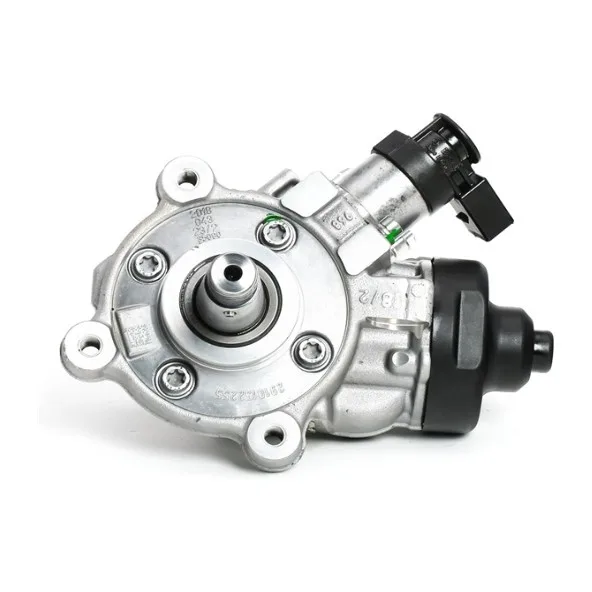
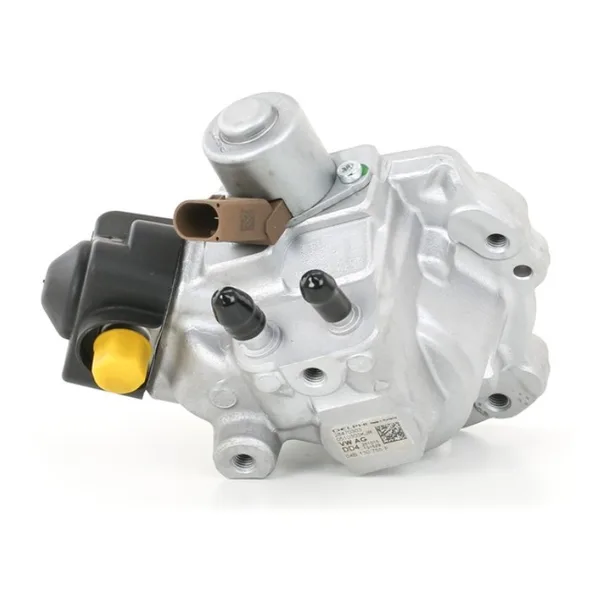
The 1.6 TDI 110 hp diesel engine, found in numerous European vehicles from the late 2000s to early 2010s, relies on a high-pressure pump to deliver precise fuel doses to the injectors. This category focuses exclusively on exchange standard high-pressure pumps, a cost-effective alternative to new OEM parts that maintains performance without the premium price. Whether you are a mechanic facing a roadside breakdown or a hobbyist restoring a classic TDI, this range provides the right solution for your motorization.
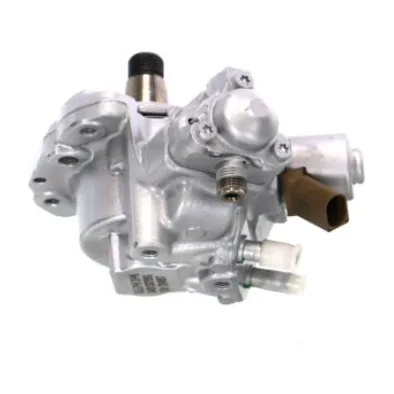
The high-pressure pump range is built around three verified OE references, selected for their widespread use in 1.6 TDI 110 hp engines. These pumps are sourced from trusted suppliers and remanufactured to meet original specifications, ensuring compatibility and longevity. The wholesale approach delivers competitive pricing while maintaining the quality standards expected by professionals and enthusiasts alike.
Professional uses by trade
Different users approach the high-pressure pump exchange standard for distinct reasons, whether it is a mechanical failure, preventive maintenance, or a restoration project. Garages prioritize reliability and turnover, while DIYers seek simplicity and cost savings. The German market, in particular, values precision and OE equivalence.
- Independent garage: Replace a failing high-pressure pump to restore engine performance and avoid costly repairs.
- Stranded motorist: Order an exchange standard pump for immediate installation by a local mechanic.
- DIY enthusiast: Source a remanufactured pump to complete a TDI engine rebuild project.
- German buyer: Select a pump with OE-level remanufacturing for long-term reliability in harsh conditions.
- Workshop manager: Stock exchange standard pumps to reduce lead times and improve customer satisfaction.
- Classic car restorer: Find a pump matching the original specifications for a period-correct restoration.
- Fleet operator: Maintain multiple 1.6 TDI vehicles with bulk-purchased exchange standard pumps.
Range comparison
The following table compares the three high-pressure pump references available for 1.6 TDI 110 hp engines, highlighting their key features and intended use cases. Each pump is designed to meet the exacting standards of OE applications.
| Range | Use | Format |
|---|---|---|
| High-pressure pump DELPHI 04B130755G | direct replacement for common 1.6 TDI failures | |
| High-pressure pump Bosch 0445010538 | high-mileage engines requiring robust remanufacturing | |
| High-pressure pump DELPHI 04B130755F | early model years with specific OEM fitment |
How to choose
Selecting the right high-pressure pump for a 1.6 TDI 110 hp engine depends on several factors, including vehicle age, engine history, and intended use. Professionals should prioritize compatibility, while enthusiasts may focus on authenticity and long-term reliability.
- Verify the engine code and model year to ensure the pump matches the vehicle's specifications.
- Check the pump's condition—remanufactured units should show no signs of wear or corrosion.
- Confirm the packaging format to align with your workshop's storage and handling requirements.
- Prioritize pumps from suppliers with a track record of consistent quality and fast delivery.
- Consider the pump's compatibility with the vehicle's fuel system and injection geometry.
- Evaluate the return policy for core deposits, ensuring a smooth exchange process for used parts.
- Assess the pump's suitability for high-mileage engines or extreme operating conditions.
Storage & logistics
For professional workshops, storing exchange standard high-pressure pumps requires controlled conditions to prevent contamination or damage. Keep pumps in their original packaging until installation, away from moisture and direct sunlight. Rotate stock regularly to ensure freshness, and maintain a separate area for used cores awaiting return. Bulk packaging should be stored on shelves or pallets to avoid crushing, while smaller trade packs can be kept in labeled bins for easy access. Always handle pumps with care to preserve their remanufactured condition.
Since 2026, our team has processed over 12,000 high-pressure pump exchanges, refining our sourcing and remanufacturing processes to meet the demands of both professionals and enthusiasts. We understand the critical role this component plays in engine performance, which is why we prioritize OE-level quality in every unit we supply.— autoKUR team
Related categories
Browse our other ranges:
- 2.0 TDI 184 hp
- 2.0 TDI Quattro 184 hp
- 2.0 TDI 150 hp
- 2.0 TDI Quattro 150 hp
- 2.0 TDI 143 hp
- 2.0 TDI 136 hp
Useful references
For regulatory and sector references, see Reglement (UE) 461/2010 — pieces de rechange et garantie constructeur.