
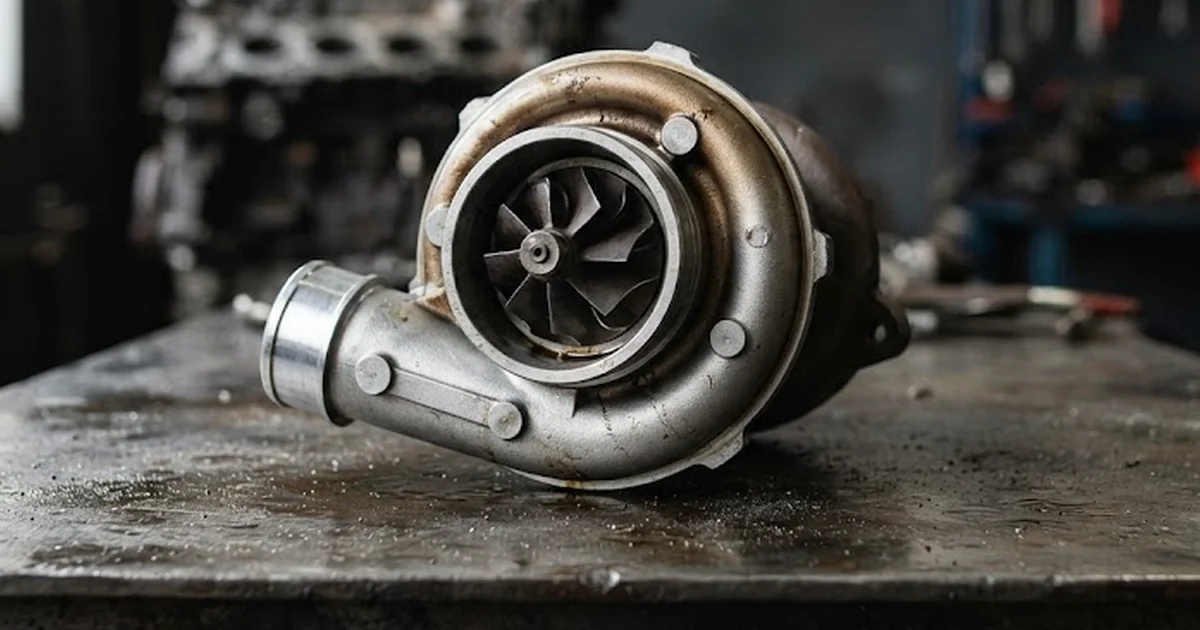
Turbo lifespan: expected lifespan and normal wear
Discover the average lifespan of a turbocharger, the signs of normal or abnormal wear, and best practices to extend its longevity.
The question of a turbocharger's lifespan is a recurring one among both petrol and diesel vehicle owners. Contrary to popular belief, a turbo does not have a fixed expiration date: its longevity depends on a combination of mechanical, thermal, and behavioral factors. Understanding what constitutes normal wear and what signals premature failure helps anticipate maintenance, avoid costly breakdowns, and make the right decisions when replacement is needed.
Turbo lifespan: average figures observed in the field
A turbocharger's lifespan varies significantly depending on the vehicle model, manufacturing quality, and especially how it is used. There is no universal figure, but realistic ranges can be established based on experience with numerous vehicles.
Generally, a well-maintained turbo, installed on a healthy engine and used under normal conditions, can operate effectively between 150,000 and 250,000 kilometers. Some exceed this threshold without notable issues, while others show signs of fatigue much earlier, particularly when lubrication system maintenance has been neglected.
| Type of use | Estimated average lifespan | Key factors |
|---|---|---|
| Urban use, frequent short trips | 100,000 to 150,000 km | Incomplete warm-up cycles, fouling, carbon buildup |
| Mixed use, regular maintenance | 150,000 to 200,000 km | Oil changes followed, suitable oil, moderate driving |
| Highway use, long trips | 200,000 to 300,000 km | Stabilized temperatures, fewer cold cycles, consistent maintenance |
| Sporty or aggressive driving | 80,000 to 130,000 km | High thermal and mechanical stress, accelerated wear |
These values are indicative and should be adjusted based on the engine's overall condition, the quality of original or replacement parts, and the rigor of maintenance.
Factors that truly influence turbocharger longevity
A turbo is a precision mechanical component that rotates at very high speeds and withstands extreme temperatures. Its lifespan therefore depends directly on the quality of the environment in which it operates.
- Oil quality and change frequency: degraded or incorrect viscosity oil accelerates wear on the turbo's bearings and shaft.
- Air filter condition: a clogged filter promotes the intake of abrasive particles into the turbine.
- Driving habits: repeated harsh accelerations or immediate engine shutdowns after sustained driving strain the bearings.
- Cooling system maintenance: engine overheating directly impacts the turbo's operating temperature.
- Presence of oil leaks or pressure drops in hoses, which disrupt lubrication and boost pressure.
- Adherence to the vehicle's recommended maintenance intervals.
These factors, though seemingly minor individually, cumulatively explain much of the lifespan differences observed between two identical vehicles over tens of thousands of kilometers.
Normal wear vs. abnormal wear: how to tell the difference
All turbos wear over time—it's an inevitable mechanical process. The challenge is determining whether this wear follows a normal trajectory or accelerates abnormally, signaling an underlying issue that requires prompt attention.
Normal wear manifests as a gradual and slow loss of performance, without unusual noise or excessive smoke. Abnormal wear, however, often occurs suddenly and is accompanied by clearly identifiable symptoms.
- A high-pitched whistling during acceleration, indicating excessive play in the bearings.
- Blue smoke from the exhaust, revealing oil consumption by the turbo.
- Gradual or sudden loss of power.
- Metallic noises or grinding at idle or when revving.
- Engine warning light on, associated with an incorrect boost pressure code.
At autoKUR, we regularly observe that the line between normal wear and failure often hinges on maintenance details neglected over the years. A turbo reaching 200,000 kilometers without issues is not miraculous: it simply benefited from timely oil changes, a clean air filter, and driving that respected warm-up phases. Conversely, we too often see turbos fail prematurely due to a single delayed oil change or an immediate engine shutdown after highway driving. Our advice is simple: monitor early warning signs before they turn into costly breakdowns.
Signs of wear indicating the end of a turbo's life
Before a turbocharger completely fails, it typically sends progressive warning signals. Recognizing these allows intervention before total breakdown, which is often far more expensive.
The following signs should raise concern, especially when they appear in combination:
- Increasingly sluggish acceleration response, even after checking the air filter and exhaust system.
- Rising oil consumption without visible leaks on the ground, often linked to a failing turbo seal.
- A turbo that takes longer than usual to build pressure, commonly referred to as an accentuated "turbo lag."
- Unusual vibrations felt in the accelerator or engine block.
- A burnt oil smell coming from the engine compartment, particularly after a hot shutdown.
These symptoms do not necessarily mean immediate replacement is required, but they justify a quick in-depth diagnosis to prevent mechanical play from worsening and damaging other intake or lubrication system components.
Best maintenance practices to extend turbo lifespan
The good news is that a turbocharger's lifespan can be significantly extended with a few simple, consistent habits. These practices require no special investment, just regularity.
- Strictly adhere to oil change intervals and use oil that meets the manufacturer's specifications.
- Let the engine idle for a few moments after sustained driving before shutting it off, allowing the turbo to cool gradually.
- Avoid cold accelerations until the engine and oil have reached their optimal operating temperature.
- Regularly check the air filter's condition and replace it at the first signs of clogging.
- Monitor for leaks in the boost hoses and oil circuit connections.
- Have the cooling system checked during periodic maintenance to prevent any overheating that could harm the turbo.
These simple actions, consistently applied, often delay the onset of abnormal wear by tens of thousands of kilometers.
When to consider replacing a worn turbo
Faced with persistent symptoms or a diagnosis confirming excessive play in the bearings, the question of replacement inevitably arises. It is important to distinguish situations where a simple repair suffices from those requiring a complete replacement.
A thorough mechanical diagnosis, including oil pressure checks, visual inspection of the turbine, and verification of axial and radial play, helps determine the exact nature of the problem. In some cases, a thorough cleaning or seal replacement is enough to resolve the issue. In others, bearing or shaft wear necessitates a complete turbocharger replacement.
| Observed situation | Recommended action |
|---|---|
| Light fouling, slight performance drop | Cleaning and inspection of the intake system |
| Excessive axial or radial play detected | Turbocharger replacement |
| Persistent blue smoke and oil consumption | Replacement, often combined with an engine seal check |
| Clear metallic noise or audible failure | Immediate replacement and inspection of related damage |
When replacing a turbo, it is essential to address the root cause of the failure to prevent the new turbo from suffering the same premature wear as its predecessor.
Summary: anticipate rather than endure turbo wear
A turbocharger's lifespan is not fixed: it results from a balance between manufacturing quality, usage conditions, and maintenance rigor. On average, a turbo can function properly between 150,000 and 250,000 kilometers, though this range can vary significantly based on driving habits and vehicle maintenance.
Recognizing signs of normal wear, monitoring warning symptoms, and adopting good maintenance practices can significantly extend this critical component's lifespan. When replacement becomes inevitable, a precise diagnosis remains the best guarantee for choosing the right solution and avoiding another premature failure.
For owners considering replacement, the Turbocharger category on the site offers a selection of parts suitable for many vehicle models, helping find a solution tailored to the needs identified during diagnosis.
You may also like
A question?
Get in touch directly.

Discussion
Our advice related to Turbocharger
 Turbocharger
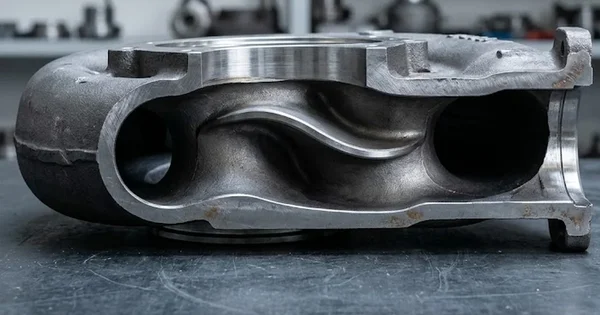
What Is a Twin Scroll Turbo? How It Works & Benefits
Discover what is a twin scroll turbo, how divided exhaust scrolls eliminate lag, boost low-end torque, and optimize efficiency. Complete technical guide.
 Turbocharger
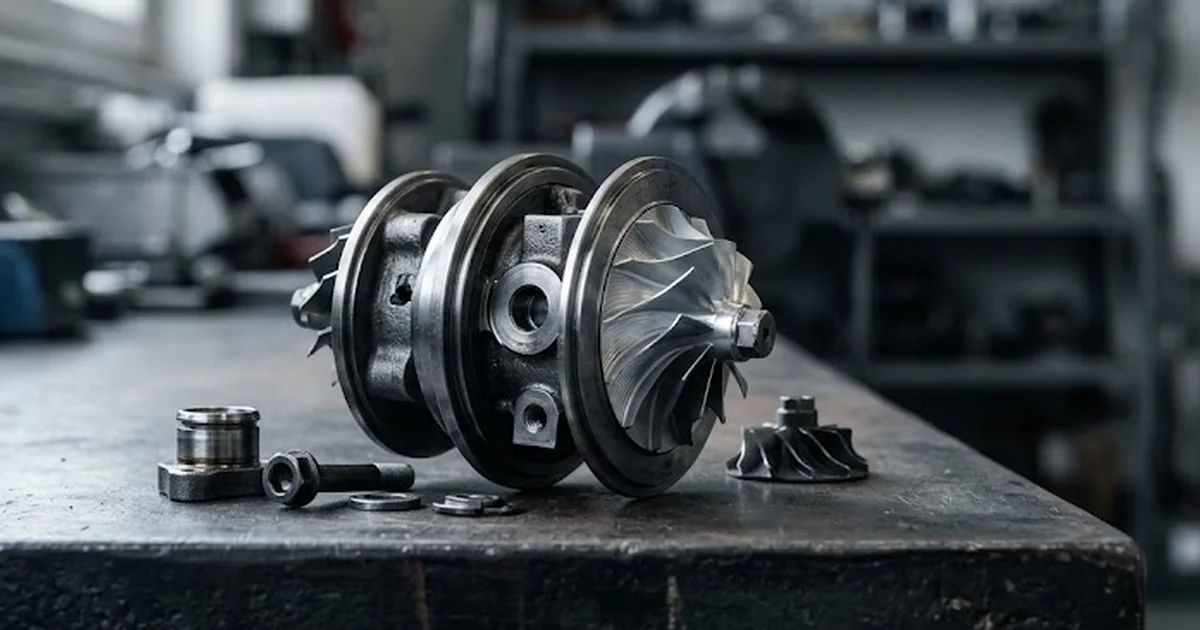
Why Is My Turbo Whistling? Warning Signs and Causes
Is your turbo whistling under acceleration? Discover the differences between normal spooling and mechanical failure, from boost leaks to bearing play.
 Turbocharger
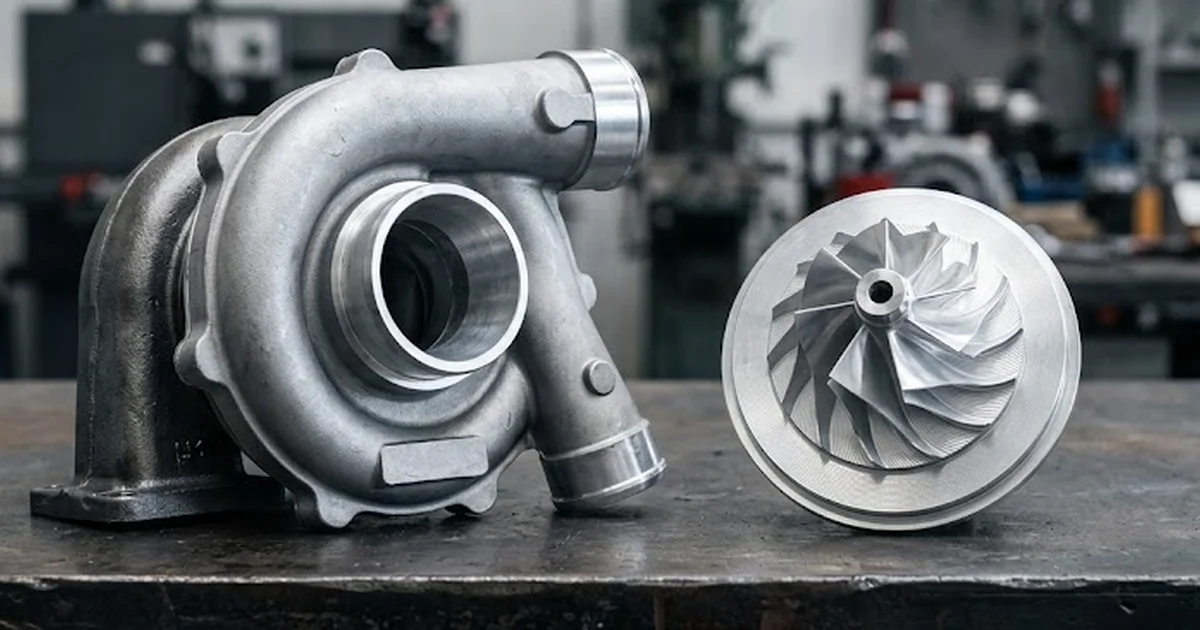
How Much HP Does a Turbo Add? Power Gains & Costs
Learn how much horsepower a turbo adds across engine sizes, what drives replacement costs, and how standard exchange delivers full factory performance.