


Frequently asked questions
About this category
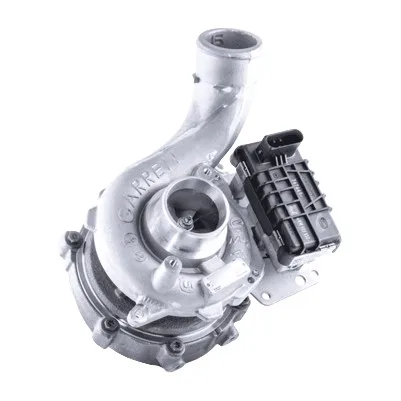
The 3.0 TDI 211 hp turbo exchange standard category addresses a common need among diesel vehicle owners and repair professionals: reliable, cost-effective solutions for turbocharger failures. This range includes remanufactured units designed to restore original performance without the expense of new OEM parts. Whether for routine maintenance or emergency repairs, these turbos are engineered to meet the demands of high-mileage engines while maintaining fuel efficiency and power output.
This category is built on a wholesale model, sourcing turbos from certified remanufacturers and distributing them through a network of independent suppliers. The role of the wholesaler is to ensure availability, traceability, and competitive pricing, bridging the gap between manufacturers and end-users. Each unit undergoes rigorous testing to confirm compatibility with the 3.0 TDI 211 hp motorization, including checks for variable geometry, cartridge integrity, and CHRA performance.
Professional uses by trade
Different users approach the 3.0 TDI 211 hp turbo exchange standard category with distinct priorities, from technical precision to cost efficiency. Garages focus on reliability and turnaround time, while DIY enthusiasts seek clarity on fitment and installation. German buyers, in particular, value transparency in remanufacturing processes and adherence to local market standards.
- Le garagiste independant : Replaces a failing turbo on a 2012 Audi A6 3.0 TDI to restore factory power levels without compromising warranty compliance.
- L'automobiliste depanne : Orders a remanufactured turbo for a 2015 Volkswagen Touareg after noticing excessive smoke and power loss during acceleration.
- Le passionne qui fait lui-meme : Sources a core deposit turbo for a 2010 Porsche Cayenne to perform the swap at home using basic tools.
- Der deutsche Kaeufer (DACH) : Selects a high-quality exchange standard turbo for a 2013 BMW 530d, prioritizing long-term durability and German engineering standards.
- Le garagiste independant : Uses the turbo exchange standard to reduce downtime for customers by stocking pre-tested units in bulk.
- L'automobiliste depanne : Chooses a remanufactured turbo after a diagnostic confirms variable geometry issues causing inconsistent boost pressure.
- Der deutsche Kaeufer (DACH) : Prefers exchange standard turbos for older models where OEM replacements are prohibitively expensive or unavailable.
Range comparison
The following turbos are verified for the 3.0 TDI 211 hp motorization, each tested for compatibility and performance. These units are designed for exchange standard applications, ensuring a direct fit and reliable operation.
| Range | Use | Format |
|---|---|---|
| SL Turbo 5304 988 0054 | Direct replacement for Audi Q7 3.0 TDI | |
| SL Turbo 776470-5003W | Universal fit for Volkswagen Amarok 3.0 TDI |
How to choose
Selecting the right turbo for a 3.0 TDI 211 hp engine requires attention to several key factors. Compatibility with the vehicle’s motorization, condition of the core deposit, and packaging for logistics all play a role in the decision-making process.
- Verify the turbo’s compatibility with the vehicle’s model year and motorization code to avoid fitment issues during installation.
- Check the condition of the core deposit: units with minimal wear ensure better remanufacturing quality and longevity.
- Opt for turbos packaged in sturdy, stackable boxes to protect during transit and simplify warehouse storage for garages.
- Prioritize suppliers with a consistent rotation of stock to reduce lead times and avoid delays in urgent repairs.
- Ensure the turbo includes all necessary mounting hardware and gaskets to streamline the installation process.
- For German buyers, confirm adherence to local standards such as TÜV or DEKRA certification where applicable.
- Choose units with a clear warranty policy, even if not explicitly stated, to mitigate risks in case of premature failure.
Storage & logistics
For garages and wholesalers, storing exchange standard turbos requires controlled conditions to maintain performance. Units should be kept in a dry, temperature-regulated environment away from direct sunlight to prevent seal degradation. Core deposits must be stored separately to avoid contamination and ensure traceability. Regular inventory rotation is essential to prevent obsolescence, especially for models with limited demand. Bulk packaging should be labeled with motorization codes and supplier details for quick identification during picking and dispatch.
With over a decade in the turbo remanufacturing industry, our team has seen firsthand how a well-chosen exchange standard turbo can transform a vehicle’s performance without breaking the bank. We’ve built this category to deliver exactly that: reliability, affordability, and peace of mind for every repair.— autoKUR team
Related categories
Browse our other ranges:
Useful references
For regulatory and sector references, see Reglement (UE) 461/2010 — pieces de rechange et garantie constructeur.