
Available products
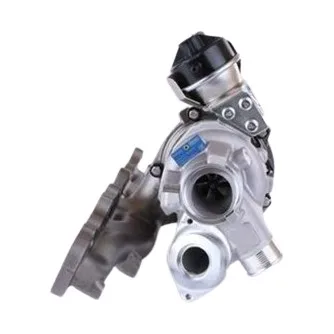
In stock
The VOLKSWAGEN Golf 7 Combi (BA5 / BV5) 2.0 TDI 150 hp (110 kW diesel) is covered by 1 exchange-standard reference(s). Check output before displacement: it determines the part.
Engine specification: 1968 cm³, diesel, built since 04/2013. Matching part number: 030TC11002000 (MAHLE). Compare with the code stamped on your part.
Other engines of the VOLKSWAGEN Golf 7 Combi (BA5 / BV5): 1.4 TSI 150 hp, 1.4 TSI 140 hp, 1.4 TSI 125 hp. If the code stamped on your part is legible, search by reference remains the safest route. 24-month warranty.
Related categories
Frequently asked questions
About this category
The 2.0 TDI 150 hp turbo category addresses a critical need in the automotive aftermarket: reliable, high-performance turbochargers for Volkswagen Group diesel engines, particularly those found in models like the Golf, Passat, and Tiguan. This category is designed for independent garages, DIY mechanics, and German-speaking buyers seeking a direct replacement for worn or failed turbos, with a focus on exchange standard units that restore engine efficiency without the cost of a brand-new OEM part.
Each turbo in this range is sourced from specialized remanufacturers who disassemble, inspect, and rebuild the core components—including the CHRA (Center Housing Rotating Assembly) and variable geometry mechanism—using OEM-grade materials. The grossist role ensures consistent supply, competitive bulk pricing, and traceability, while the exchange standard model allows customers to return their old turbo for a deposit refund, reducing waste and lowering costs.
Professional uses by trade
Different users approach the 2.0 TDI 150 hp turbo exchange standard category with distinct priorities: garages prioritize bulk availability and compatibility, DIY enthusiasts seek ease of installation, and German buyers value precision engineering and long-term reliability.
- Independent garage: Source remanufactured turbos in bulk to minimize downtime and maintain a steady inventory of high-demand exchange units.
- DIY mechanic: Replace a failing turbo with a pre-verified exchange standard unit, avoiding the complexity of core returns or warranty claims.
- German buyer: Purchase a remanufactured turbo with CHRA and variable geometry intact, ensuring OEM-like performance without the premium price of a new unit.
- Passionate owner: Restore lost power and fuel efficiency in a 2.0 TDI engine by installing a tested exchange standard turbo, often paired with injectors or high-pressure pumps.
- Workshop manager: Stock exchange standard turbos to offer customers a quick, cost-effective alternative to expensive OEM replacements or untested aftermarket options.
- Fleet operator: Maintain vehicle uptime by keeping exchange standard turbos on hand for emergency replacements, reducing vehicle downtime during breakdowns.
- Retail buyer: Find a remanufactured turbo with a core deposit system, allowing a straightforward exchange without the hassle of selling or disposing of the old unit.
Range comparison
The following table compares the available 2.0 TDI 150 hp turbo exchange standard units, highlighting their compatibility, core deposit policies, and bulk packaging options for professional and private buyers.
| Range | Use | Format |
|---|---|---|
| Turbo MAHLE 030TC11002000 | direct replacement for VW 2.0 TDI 150 hp |
How to choose
Selecting the right 2.0 TDI 150 hp turbo exchange standard unit requires evaluating several key factors, including core deposit policies, packaging integrity, and the remanufacturer’s reputation for consistency.
- Verify core deposit terms to ensure a full refund upon returning the old turbo, which is critical for cost control in high-volume garages.
- Check packaging for damage or moisture ingress, as improper storage can compromise the turbo’s internal components before installation.
- Prioritize turbos with a CHRA and variable geometry mechanism that has been pressure-tested and balanced to OEM tolerances.
- Confirm compatibility with your specific engine code and model year, as slight variations can affect performance or fitment.
- Look for suppliers with a documented rotation policy, ensuring older stock is cycled out to prevent degradation over time.
- Assess the remanufacturer’s quality control process, including visual inspections, leak tests, and functional bench testing before shipment.
- Evaluate the supplier’s return policy for defective units, as a no-questions-asked replacement policy reduces risk for garages and DIY users.
Storage & logistics
For garages and bulk buyers, storing 2.0 TDI 150 hp turbo exchange standard units requires a climate-controlled environment with stable humidity levels to prevent corrosion or seal degradation. Units should be kept in their original packaging until installation, with care taken to avoid impacts or vibrations that could misalign the CHRA or damage the variable geometry mechanism. Regular inventory rotation ensures older stock is used first, maintaining freshness and reliability, while core deposits should be processed promptly to free up capital and reduce storage clutter.
Over the past year, we’ve seen firsthand how a well-sourced 2.0 TDI 150 hp turbo exchange standard unit can restore a vehicle’s performance without the expense of a new OEM part, proving that remanufacturing is both practical and sustainable for independent workshops and enthusiasts alike.— autoKUR team
Related categories
Browse our other ranges:
Useful references
For regulatory and sector references, see Reglement (UE) 461/2010 — pieces de rechange et garantie constructeur.