

Available products
3 references


Frequently asked questions
About this category
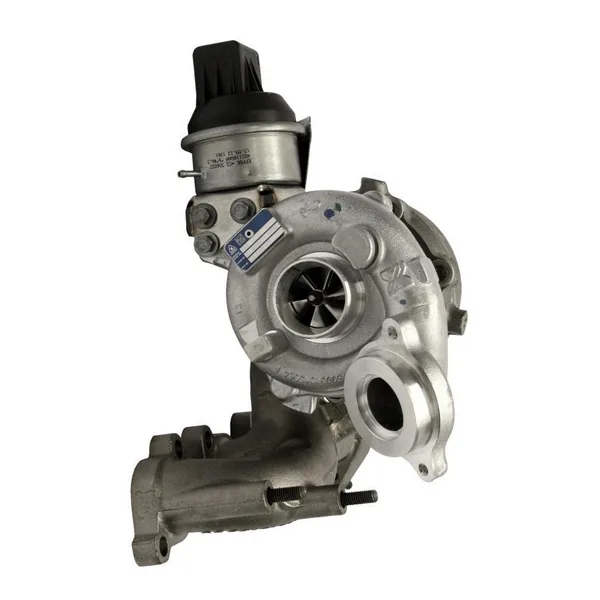
The 2.0 TDI 136 hp turbo exchange standard category addresses a common challenge for owners of Volkswagen, Audi, Skoda, and Seat vehicles: replacing a failing turbocharger without the expense of a brand-new OEM unit. This section provides access to high-quality, remanufactured turbos designed specifically for engines producing 136 horsepower, ensuring optimal performance and longevity. Whether you are a mechanic sourcing parts for a client or a driver repairing your own vehicle, this category offers solutions tailored to the 2.0 TDI 136 hp platform.
The turbos listed here are sourced from reputable remanufacturers who specialize in exchange standard components, ensuring that each unit undergoes rigorous testing and refurbishment. This approach allows garages and private buyers to access products that meet or exceed OEM standards at a fraction of the cost. The role of the wholesaler is to streamline the supply chain, providing consistent availability and competitive pricing for turbos compatible with the 2.0 TDI 136 hp engine.
Professional uses by trade
Different users approach the 2.0 TDI 136 hp turbo exchange standard category with distinct needs. Garages prioritize bulk availability and compatibility, while DIY enthusiasts seek ease of installation and cost savings. Motorists facing a breakdown require quick, reliable solutions to get back on the road.
- Independent garage: Source turbos for multiple 2.0 TDI 136 hp repairs with minimal lead time and consistent quality.
- DIY enthusiast: Find a remanufactured turbo that matches the engine’s specifications for a self-installed replacement.
- Stranded motorist: Replace a failing turbo with an exchange standard unit to restore vehicle performance and avoid costly towing.
- German workshop (DACH): Access turbos designed for the 2.0 TDI 136 hp with documentation in German for seamless integration.
- Fleet manager: Maintain a stock of exchange standard turbos to minimize downtime for company vehicles equipped with this engine.
- Classic car restorer: Source a turbo that fits the original specifications of a 2.0 TDI 136 hp engine without compromising authenticity.
- Performance tuner: Upgrade or replace the turbo with an exchange standard unit that supports modifications for increased power output.
Range comparison
The following turbos are specifically designed for the 2.0 TDI 136 hp engine, each offering a unique combination of features and compatibility. Compare the options to select the best fit for your vehicle’s needs.
| Range | Use | Format |
|---|---|---|
| SL Turbo 724930-5010S | Direct replacement for 2.0 TDI 136 hp | |
| SL Turbo 5303 988 0205 | High-flow turbo for performance applications | |
| SL Turbo 5440 988 0036 | OEM-spec turbo for stock engine configurations |
How to choose
Selecting the right turbo for the 2.0 TDI 136 hp requires attention to several key factors. Compatibility with the engine’s power output, the condition of the core unit, and the remanufacturer’s reputation all play a role in ensuring a successful replacement.
- Verify the turbo’s compatibility with the 2.0 TDI 136 hp engine by cross-referencing the OEM reference or motor code.
- Assess the condition of the core unit to ensure it meets the remanufacturer’s standards for exchange standard turbos.
- Check the remanufacturer’s track record for consistency in quality and durability across their product range.
- Evaluate the turbo’s specifications, such as variable geometry or fixed geometry, to match the vehicle’s performance requirements.
- Consider the availability of documentation and support for installation, especially for DIY enthusiasts or smaller workshops.
- Review the return policy for core deposits to avoid unexpected costs if the turbo is not compatible with the engine.
- Prioritize turbos from suppliers with a proven history in the 2.0 TDI 136 hp market to minimize the risk of mismatched parts.
Storage & logistics
For garages and workshops, storing exchange standard turbos for the 2.0 TDI 136 hp requires careful handling to maintain their condition. Keep units in a dry, temperature-controlled environment to prevent moisture damage or corrosion. Label each turbo with its reference and motor code to avoid confusion during installation. Rotate stock regularly to ensure older units are used first, reducing the risk of obsolescence. For bulk orders, consider palletized storage with protective packaging to safeguard against transit damage. Always inspect turbos upon receipt to confirm they match the ordered specifications before shelving.
With over a decade of experience in the turbo exchange standard market, our team has seen firsthand how a well-chosen turbo can transform a struggling 2.0 TDI 136 hp engine back into reliable performance. We focus on delivering products that meet the exacting standards of professionals while remaining accessible to private motorists.— autoKUR team
Related categories
Browse our other ranges:
Useful references
For regulatory and sector references, see Reglement (UE) 461/2010 — pieces de rechange et garantie constructeur.