
Available products
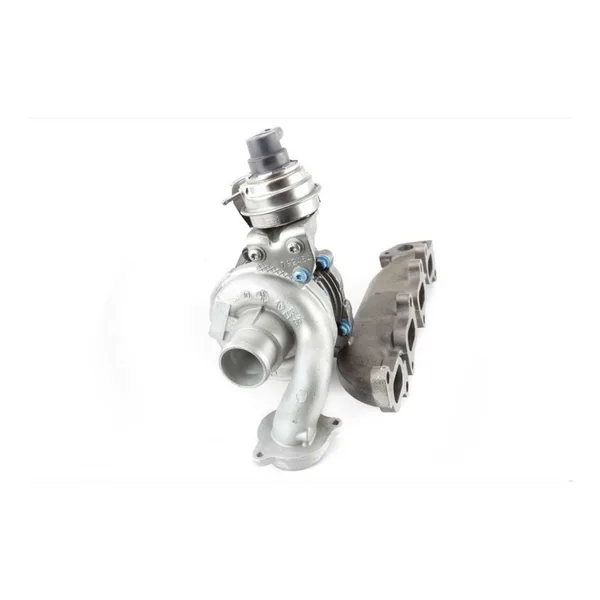
In stock
For the VOLKSWAGEN Crafter (2E_) in 2.0 TDI 109 hp (80 kW diesel), the autoKUR catalogue holds 1 exchange-standard reference(s). At equal displacement, two outputs do not call for the same part.
Engine specification: 1968 cm³, diesel, built from 05/2011 to 12/2016. Matching part number: 803955-5007S (SL Turbo). Compare with the code stamped on your part.
Other engines of the VOLKSWAGEN Crafter (2E_): 2.0 TDI 163 hp, 2.5 TDI 163 hp, 2.0 TDI 142 hp. If the code stamped on your part is legible, search by reference remains the safest route. 24-month warranty.
Related categories
Frequently asked questions
About this category
The 2.0 TDI 109 hp turbo exchange standard category addresses a critical need in the aftermarket for remanufactured turbocompressors tailored to Volkswagen Group’s 2.0-liter diesel engines, spanning models from the early 2000s to recent production years. This range serves both independent mechanics and DIY enthusiasts who require a cost-effective alternative to new OEM parts, without sacrificing reliability or performance. The turbos in this category are designed to restore lost power, reduce smoke emissions, and eliminate turbo lag in vehicles experiencing symptoms like excessive exhaust smoke, whining noises, or reduced acceleration.
This category is built around a wholesale-focused approach, sourcing turbos from specialized remanufacturers who adhere to strict quality control processes, including core inspection, cartridge replacement, and CHRA balancing. The role of the wholesaler here is to aggregate these high-quality remanufactured units, ensuring consistent supply and competitive pricing for garages and retailers. Each turbo is selected for its compatibility with specific engine codes (e.g., CBAB, CFFB, CJXB) and vehicle models, with clear documentation to simplify ordering and reduce the risk of mismatches.
Professional uses by trade
Different users approach the 2.0 TDI 109 hp turbo exchange standard category with distinct priorities, whether it’s restoring a daily driver, servicing a fleet vehicle, or performing a DIY repair on a weekend project. Independent garages rely on these turbos to minimize repair time and costs, while enthusiasts seek reliable parts for long-term projects. The German market, in particular, values precision-engineered components that align with local workshop standards.
- Le garagiste independant : Replace a failing turbo on a 2010 Audi A4 2.0 TDI with confidence, using a remanufactured unit that matches OEM specifications for seamless integration and minimal post-installation adjustments.
- L'automobiliste depanne : Restore power to a 2008 Volkswagen Passat 2.0 TDI by sourcing a turbo that eliminates excessive black smoke and restores smooth acceleration without visiting a dealership.
- Le passionne qui fait lui-meme : Source a remanufactured turbo for a 2005 Skoda Octavia 2.0 TDI, ensuring the CHRA is balanced and the wastegate operates correctly for reliable long-term performance.
- Der deutsche Kaeufer (DACH) : Purchase a turbo for a 2012 Seat Leon 2.0 TDI from a wholesaler with a strong reputation in the DACH region, prioritizing units with documented remanufacturing processes and core return policies.
- Le garagiste independant : Use a turbo with a documented history of remanufacturing to service multiple vehicles in a fleet, reducing the risk of repeat failures and ensuring consistent performance across all 2.0 TDI applications.
- L'automobiliste depanne : Address a persistent whining noise from the turbo area by replacing the unit with a remanufactured CHRA, avoiding the high cost of a new OEM turbo while restoring normal operation.
- Der deutsche Kaeufer (DACH) : Order a turbo for a 2009 Volkswagen Golf 2.0 TDI from a supplier that offers clear compatibility charts and return policies for cores, ensuring a smooth transaction even for less common variants.
Range comparison
The following turbos represent the core of the 2.0 TDI 109 hp exchange standard range, each selected for its proven compatibility and remanufacturing quality. These units are designed to fit specific engine codes and vehicle models, with clear documentation to simplify ordering and reduce errors.
| Range | Use | Format |
|---|---|---|
| SL Turbo 803955-5007S | core return policy included |
How to choose
Selecting the right 2.0 TDI 109 hp turbo requires attention to compatibility, remanufacturing quality, and logistical support. Professionals should prioritize units with clear documentation, robust packaging, and a supplier that offers core return policies to streamline the exchange process.
- Verify engine code compatibility (e.g., CBAB, CFFB) to ensure the turbo matches the vehicle’s exact specifications, avoiding mismatches that lead to installation issues or poor performance.
- Prioritize turbos with documented remanufacturing processes, including core inspection, cartridge replacement, and CHRA balancing, to ensure consistent quality and longevity.
- Choose suppliers that offer clear packaging and labeling, with units protected against moisture and impact during transit to prevent damage before installation.
- Opt for turbos that come with a core return policy, allowing you to exchange the old unit efficiently and reduce the cost of the remanufactured turbo.
- Select a turbo with a documented history of use in similar applications, as this indicates proven reliability and reduces the risk of premature failure.
- Ensure the supplier provides compatibility charts and technical support to assist with ordering, especially for less common vehicle variants or engine codes.
- For high-volume garages, consider turbos available in bulk packaging to streamline inventory management and reduce per-unit costs.
Storage & logistics
Proper storage of 2.0 TDI 109 hp turbos is essential to maintain their condition before installation, particularly in wholesale environments where units may sit for extended periods. Store turbos in a dry, temperature-controlled space away from direct sunlight, with packaging intact to prevent contamination from dust or moisture. For bulk shipments, use sturdy cartons with dividers to prevent movement and potential damage to the CHRA or wastegate. Label each box with the engine code, vehicle compatibility, and remanufacturing date to ensure traceability. Avoid stacking heavy items on top of turbo packaging, as this can deform seals or misalign components. Regularly inspect stored turbos for signs of corrosion or seal degradation, and rotate stock to prioritize older units for faster turnover.
With over a decade in the turbo remanufacturing industry, our team has seen firsthand how a well-chosen exchange standard turbo can transform a struggling 2.0 TDI engine into a reliable powerplant, restoring both performance and peace of mind to drivers and garages alike.— autoKUR team
Related categories
Browse our other ranges:
Useful references
For regulatory and sector references, see Reglement (UE) 461/2010 — pieces de rechange et garantie constructeur.