


Frequently asked questions
About this category
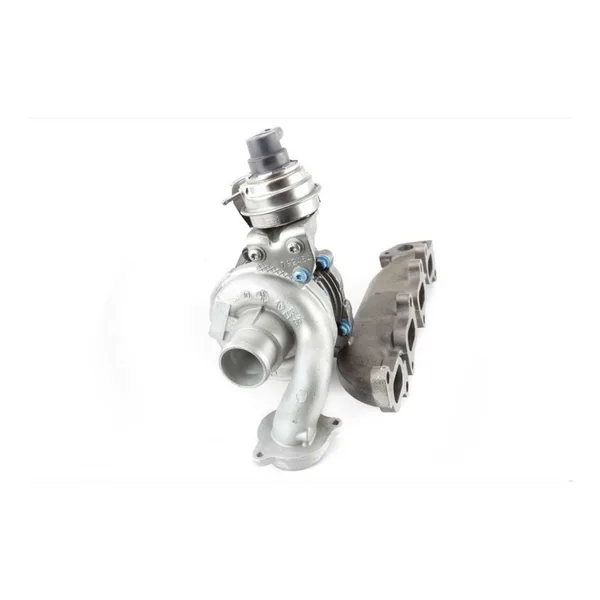
The 2.0 TDI 122 hp turbocharger category addresses a common failure point in Volkswagen Group diesel engines, where turbocharger wear leads to symptoms like reduced power, excessive smoke, or unusual noises. This range includes exchange standard turbos designed for direct fitment, covering models from the early 2000s to recent production years, ensuring compatibility across a wide spectrum of applications.
Each turbo in this range is sourced from reputable remanufacturers who specialize in core processing, ensuring the CHRA (Center Housing Rotating Assembly) and cartridge meet or exceed OEM durability benchmarks. The wholesale approach delivers competitive pricing while maintaining traceability through OEM reference numbers and equivalent part listings.
Professional uses by trade
Different user profiles rely on this category for distinct reasons: garages need reliable, fast-rotating stock to minimize downtime, while DIY owners seek cost-effective solutions that avoid the complexity of full OEM replacements.
- Independent garage: Replace a failing turbo on a 2010 Audi A4 2.0 TDI 122 hp with a remanufactured unit to restore engine performance without the expense of a new OEM turbo.
- Roadside breakdown: A motorist stranded with a smoking exhaust and loss of power can source an exchange standard turbo to get back on the road quickly, avoiding costly towing.
- DIY enthusiast: A Volkswagen Passat owner with mechanical skills can install a compatible turbo themselves, using detailed fitment guides and OEM reference cross-references.
- German DACH buyer: A mechanic in Germany sourcing a turbo for a Skoda Octavia 2.0 TDI 122 hp needs a unit that complies with local emissions standards and warranty expectations from local suppliers.
- Fleet manager: For a company vehicle with high annual mileage, an exchange standard turbo offers a balance between cost and longevity, reducing total cost of ownership over time.
- Classic car restorer: Owners of older TDI engines can find turbos that match the original specifications, ensuring authenticity while avoiding the risks of poorly remanufactured alternatives.
Range comparison
Below, you will find the two primary exchange standard turbos compatible with the 2.0 TDI 122 hp, listed with their exact reference numbers and key attributes for quick identification and ordering.
| Range | Use | Format |
|---|---|---|
| SL Turbo 803955-5007S | Direct fit for VW/Audi/Skoda/Seat | |
| Turbo Garrett 795090-5003S | High-flow option for tuned applications |
How to choose
Selecting the right turbo for a 2.0 TDI 122 hp involves evaluating several factors beyond just the reference number, including core condition, remanufacturing process, and compatibility with the vehicle’s ECU and emissions system.
- Core condition: Always check the core deposit policy to avoid unexpected fees; a well-documented core ensures a smooth return process for the used turbo.
- Remanufacturing process: Prefer turbos with documented CHRA balancing and cartridge inspections to deliver consistent performance post-installation.
- OEM reference cross-check: Verify the turbo’s compatibility with your vehicle’s engine code (e.g., CFFB, CBAB) to avoid mismatches in geometry or power output.
- Packaging integrity: Ensure the turbo arrives in protective packaging to prevent damage during transit, especially for high-value remanufactured units.
- Supplier rotation: Choose a supplier with a fast turnover of stock to reduce lead times and ensure the turbo is not sitting in storage for extended periods.
- Warranty terms: Review the warranty coverage, which typically covers defects in materials or workmanship but excludes installation errors or external damage.
- Emissions compliance: Confirm the turbo meets Euro 5 or later standards if your vehicle is subject to strict environmental regulations.
Storage & logistics
For garages and wholesalers, storing exchange standard turbos requires controlled environments to prevent moisture damage or contamination of the CHRA. Units should be kept in original packaging or sealed containers, away from direct sunlight and temperature extremes. Regular stock rotation ensures fresher inventory, reducing the risk of obsolescence or performance degradation over time. Always handle turbos with care, avoiding impacts to the compressor or turbine wheels, which can unbalance the assembly and lead to premature failure.
With over a decade in diesel engine components, our team has seen how a single remanufactured turbo can restore a 2.0 TDI 122 hp to near-original performance, turning a stranded vehicle into a reliable daily driver or workhorse.— autoKUR team
Related categories
Browse our other ranges:
- 3.0 TDI 258 hp
- 3.0 TDI 4motion 258 hp
- 3.0 TDI 224 hp
- 3.0 TDI 204 hp
- 3.0 TDI 4motion 204 hp
- 2.0 BITDI 180 hp
Useful references
For regulatory and sector references, see Reglement (UE) 461/2010 — pieces de rechange et garantie constructeur.