

Frequently asked questions
About this category
The turbocharger category serves two primary audiences: professionals who service vehicles daily and motorists performing their own repairs. Here, you’ll find exchange-standard turbos designed for direct replacement, eliminating the need for costly overhauls or dealership visits. Each unit undergoes rigorous testing to restore performance to factory levels, ensuring reliability whether installed by a mechanic or a passionate DIYer.
Our range is built around OEM references and equivalents, sourced from suppliers specializing in remanufacturing. The grossist role ensures consistent supply, allowing us to offer a curated selection that covers 132 vehicle brands and 1,531 models, with each turbo matched to its engine’s power output and year of manufacture.
Professional uses by trade
Different users approach turbochargers for distinct reasons, from emergency repairs to routine maintenance. Professionals prioritize bulk availability and compatibility, while DIYers seek clear instructions and reliable performance. Below, we outline how each target audience leverages these components.
- Le garagiste independant : Uses exchange turbos to reduce repair time, stocking units for common motorizations like the 1.5 dci to avoid delays during peak service periods.
- L'automobiliste depanne : Relies on pre-matched turbos to restore vehicle performance after noticing symptoms like sluggish acceleration or excessive exhaust smoke.
- Le passionne qui fait lui-meme : Prefers exchange turbos for their straightforward installation process, often pairing them with detailed guides to ensure a successful DIY replacement.
- Der deutsche Kaeufer (DACH) : Seeks turbos with clear OEM references and remanufactured delivers, prioritizing units compatible with German-engineered vehicles and local workshop standards.
- Le garagiste independant : Selects turbos based on core deposit policies, ensuring cost efficiency by returning used cores to suppliers for refunds or credits.
- L'automobiliste depanne : Chooses turbos with visible wear indicators, such as cracked housings or seized shafts, to confirm the need for replacement before purchase.
- Der deutsche Kaeufer (DACH) : Opts for turbos with documented remanufacturing processes, often requesting proof of component testing to meet local regulatory expectations.
Range comparison
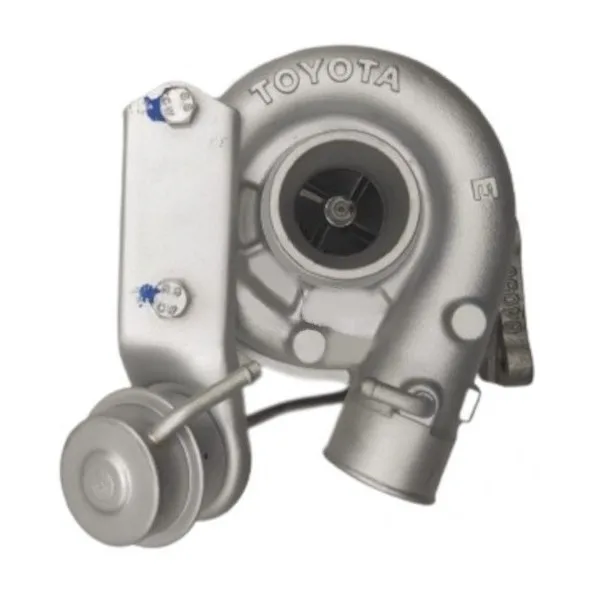
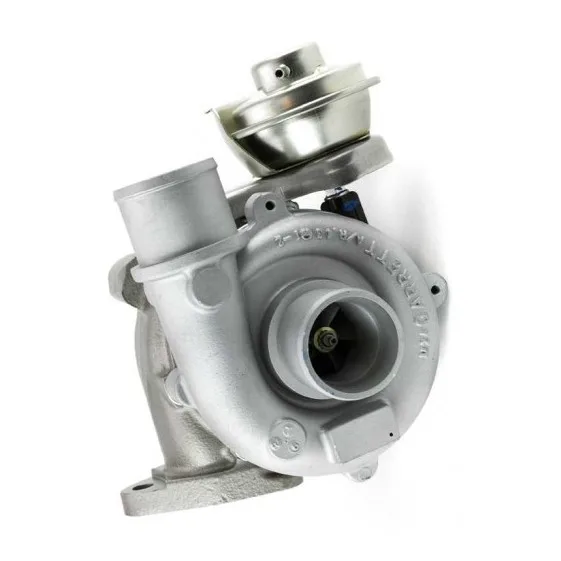
Below, we compare two exchange-standard turbos compatible with Toyota 1.5 dci engines, highlighting their key features and intended uses for professionals and DIYers alike.
| Range | Use | Format |
|---|---|---|
| Turbo Toyota 17201-64170 | Direct fit for Toyota 1.5 dci engines | |
| SL Turbo 801891-5001S | Universal fit for 1.5 dci variants |
How to choose
Selecting the right turbo requires evaluating several factors beyond just the OEM reference. Below, we outline the critical criteria professionals and motorists use to make informed decisions.
- Conditioning: Preference for turbos with protective packaging to prevent damage during transit, especially for bulk orders destined for workshops.
- Conservation: Units stored in climate-controlled environments to avoid moisture-related corrosion, ensuring longevity before installation.
- Regularity: Turbos sourced from suppliers with consistent remanufacturing processes, reducing variability in performance across batches.
- Rotation: Prioritizing turbos with recent manufacturing dates to minimize the risk of hidden wear or outdated components.
- Compatibility: Verification of motorization details, including engine code and power output, to ensure a perfect match for the vehicle.
- Core deposit: Understanding the refund policy for used cores, which can offset the cost of the new turbo and streamline logistics.
- Testing: Requesting documentation of pre-shipment tests, such as pressure and leak checks, to confirm the turbo’s readiness for installation.
Storage & logistics
For professionals, storing exchange turbos requires a controlled environment to maintain their condition until use. Units should be kept in their original packaging, away from direct sunlight and humidity, with clear labeling to track motorization compatibility. Bulk orders benefit from shelving systems that allow quick access, while individual units may be stored in sealed containers to prevent contamination. Regular inventory checks ensure that turbos are rotated based on expiration dates or usage frequency, minimizing the risk of obsolescence or performance degradation over time.
With over a decade of experience in sourcing remanufactured turbos, our team has refined the process of matching units to motorizations, ensuring each customer receives a component that performs as expected from day one.— autoKUR team
Related categories
Browse our other ranges:
Useful references
For regulatory and sector references, see Reglement (UE) 461/2010 — pieces de rechange et garantie constructeur.