
Available products
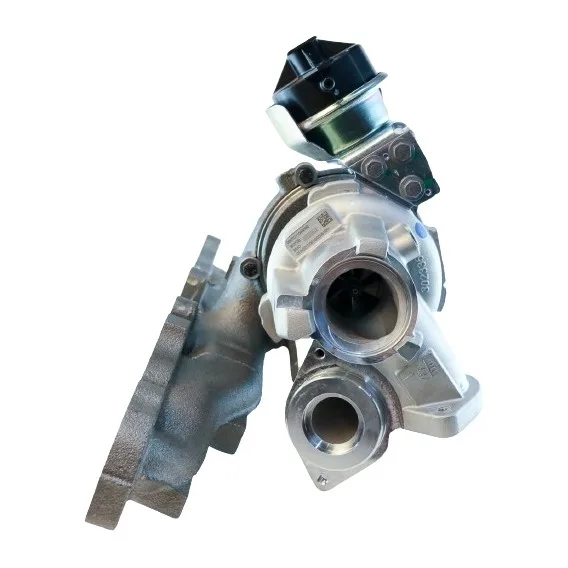
In stock
For the SKODA Yeti (5L) in 2.0 TDI 150 hp (110 kW diesel), the autoKUR catalogue holds 1 exchange-standard reference(s). At equal displacement, two outputs do not call for the same part.
Engine specification: 1968 cm³, diesel, built from 05/2015 to 12/2017. Matching part number: 030TC11004000 (MAHLE). Compare with the code stamped on your part.
Other engines of the SKODA Yeti (5L): 2.0 TDI 170 hp, 1.8 TSI 160 hp, 1.8 TSI 152 hp. If the code stamped on your part is legible, search by reference remains the safest route. 24-month warranty.
Related categories
Frequently asked questions
About this category
The 2.0 TDI 150 hp category covers a wide range of diesel engines known for their durability and efficiency, commonly found in European vehicles from the mid-2000s to present. This motorization is favored by both professionals and enthusiasts for its balance of power and fuel economy. In this section, you will find exchange standard turbocompressors designed to restore lost performance caused by wear or failure, ensuring your vehicle operates as intended without the expense of a brand-new unit.
Our range is built in collaboration with leading remanufacturers who specialize in diesel turbochargers, ensuring each unit meets strict quality controls before reaching the market. As a wholesale supplier, we provide access to high-volume stock with competitive pricing, allowing garages and DIY mechanics to source reliable parts efficiently. The turbos listed here are selected for their compatibility with the 2.0 TDI 150 hp, covering a broad spectrum of vehicle makes and models.
Professional uses by trade
Different users approach the 2.0 TDI 150 hp turbo exchange standard category with distinct needs, whether for professional repairs, emergency fixes, or personal maintenance. Each group requires clear information on compatibility, installation considerations, and return processes for used cores.
- Le garagiste independant : Uses exchange standard turbos to minimize repair costs while maintaining customer trust through quick turnaround times and reliable performance restoration.
- L'automobiliste depanne : Relies on exchange standard turbos to address sudden power loss or excessive smoke, often without prior mechanical expertise, by selecting a direct-fit replacement.
- Le passionne qui fait lui-meme : Prefers exchange standard turbos for their cost-effectiveness and ease of installation, often sourcing parts online to avoid dealership markups.
- Der deutsche Kaeufer (DACH) : Seeks turbos with clear compatibility notes and German-language support, prioritizing brands known for precision engineering and long-term reliability.
- Le garagiste independant : Orders exchange standard turbos in bulk to stock essential parts for common motorizations, reducing lead times for repeat customers with similar vehicles.
- L'automobiliste depanne : Chooses exchange standard turbos based on symptom matching (e.g., whining noises or reduced boost) to quickly resolve drivability issues without diagnostic delays.
- Der deutsche Kaeufer (DACH) : Values turbos with documented remanufacturing processes, ensuring the unit meets or exceeds original performance standards for German-engineered vehicles.
Range comparison
Below, you will find the available turbocompressors for the 2.0 TDI 150 hp, each listed with its exact reference and designed to meet the demands of both professional and private users.
| Range | Use | Format |
|---|---|---|
| Turbo MAHLE 030TC11004000 | high-volume wholesale option |
How to choose
Selecting the right turbo for the 2.0 TDI 150 hp requires attention to compatibility, condition, and intended use, whether for a single repair or a workshop inventory.
- Verify the turbo’s compatibility with your vehicle’s exact motorization code to avoid mismatches that could lead to installation issues or performance problems.
- Check the condition of the turbo’s core, as exchange standard units are remanufactured to restore functionality while reducing environmental impact through reuse.
- Prioritize turbos from reputable remanufacturers who document their processes, ensuring the unit meets industry standards for durability and performance.
- Consider the packaging format—bulk options are ideal for garages, while individual units suit DIY mechanics or emergency repairs with limited storage space.
- Assess the return process for used cores, as many suppliers require a core deposit to ensure proper recycling of the old turbocharger.
- Evaluate the supplier’s stock rotation to avoid delays, as turbos for high-demand motorizations like the 2.0 TDI 150 hp should be readily available for quick dispatch.
- Review the warranty terms, which typically cover defects in remanufacturing but exclude damage from improper installation or external factors.
Storage & logistics
For garages and wholesalers, storing exchange standard turbos for the 2.0 TDI 150 hp requires controlled environments to prevent contamination or damage to the core. Units should be kept in their original packaging until installation, with clear labeling to avoid mix-ups with other motorizations. Regular inventory checks ensure stock rotation aligns with demand, reducing the risk of obsolescence. For DIY users, storing a spare turbo in a dry, temperature-stable location protects the unit from corrosion or seal degradation, extending its shelf life until needed.
Since 2026, our team has specialized in sourcing remanufactured turbos for the 2.0 TDI 150 hp, ensuring every unit meets the rigorous standards of independent garages and passionate mechanics alike.— autoKUR team
Related categories
Browse our other ranges:
Useful references
For regulatory and sector references, see Reglement (UE) 461/2010 — pieces de rechange et garantie constructeur.