


Frequently asked questions
About this category
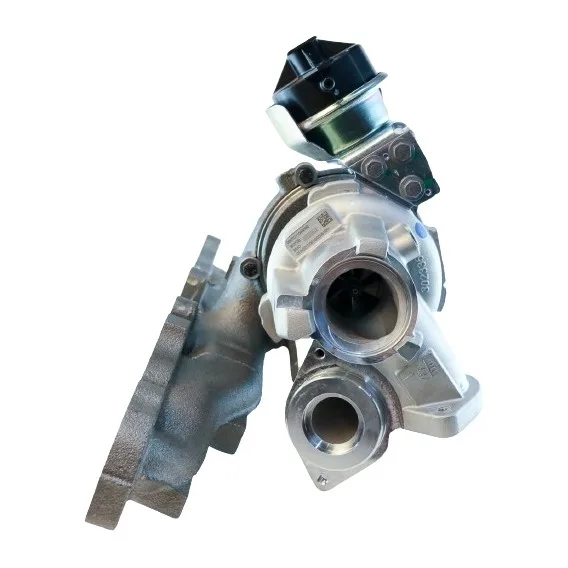
The 2.0 TDI 110 hp turbo exchange standard category serves a dual audience: automotive professionals repairing vehicles and DIY enthusiasts restoring performance without factory intervention. This range includes remanufactured turbos designed to replace worn or faulty units, addressing symptoms like reduced acceleration, blue exhaust smoke, or a whining turbo. Compatibility is reliable by referencing OEM codes and motorization details, ensuring seamless integration into the engine system.
This turbo exchange standard range is curated to meet the demands of independent garages and private owners alike, with a focus on remanufactured units that restore original performance levels. The selection process prioritizes brands with proven track records in remanufacturing, such as MAHLE and SL Turbo, ensuring consistency in quality and durability. Wholesale availability and core deposit options further enhance practicality for bulk buyers.
Professional uses by trade
Different user profiles approach the 2.0 TDI 110 hp turbo exchange standard category with distinct priorities, from garages prioritizing rapid turnaround to enthusiasts seeking cost-effective solutions. Professionals value compatibility and reliability, while DIYers focus on ease of installation and performance restoration. German buyers, in particular, emphasize precision and adherence to OEM standards.
- Independent garage: Replace a failing turbo on a 2010-2018 VW Passat 2.0 TDI 110 hp with a remanufactured unit to restore power and reduce emissions.
- DIY enthusiast: Source a turbo exchange standard for a 2012 Audi A4 2.0 TDI 110 hp to avoid costly dealership repairs while maintaining engine integrity.
- German workshop: Order bulk turbos for the 2.0 TDI 110 hp to stock inventory for VW, Audi, and Skoda models, ensuring quick availability for customers.
- Passionate driver: Diagnose a whining turbo on a 2015 Seat Leon 2.0 TDI 110 hp and purchase an exchange standard unit to resolve the issue without professional intervention.
- Professional mechanic: Identify a loss of power in a 2008 VW Golf 2.0 TDI 110 hp and select a remanufactured turbo that matches the OEM code for a seamless replacement.
- German buyer: Seek a turbo exchange standard for a 2014 Skoda Octavia 2.0 TDI 110 hp, prioritizing brands with a reputation for consistent quality and long-term reliability.
Range comparison
The following turbo exchange standard units for the 2.0 TDI 110 hp are selected for their compatibility and remanufacturing quality, with options tailored to professional and private use.
| Range | Use | Format |
|---|---|---|
| Turbo MAHLE 030TC11004000 | VW Passat 2010-2018 | |
| SL Turbo 5440 988 0036 | Audi A4 2012-2016 |
How to choose
Selecting the right turbo exchange standard for the 2.0 TDI 110 hp requires evaluating several key factors to ensure performance and longevity, from OEM code matching to packaging and core deposit options.
- Verify the OEM code and motorization details to confirm compatibility with your vehicle’s 2.0 TDI 110 hp engine before purchasing an exchange standard turbo.
- Prioritize remanufactured units from brands like MAHLE or SL Turbo, which are known for consistent quality and adherence to original specifications.
- Check the packaging format—bulk boxes or cartons—to align with your storage and logistics needs, especially for professional buyers.
- Consider core deposit options to reduce upfront costs and simplify the return of your old turbo, streamlining the exchange process.
- Evaluate the condition of the turbo’s components, such as the CHRA and variable geometry, to ensure they meet remanufacturing standards for durability.
- Assess the availability of warranty terms, which are provided by the manufacturer and not autoKUR, to cover potential defects in the exchange standard unit.
- Review the rotation and stock levels of the turbo exchange standard units to avoid delays in sourcing critical components for repairs.
Storage & logistics
For professional buyers, storing turbo exchange standard units for the 2.0 TDI 110 hp requires controlled environments to prevent contamination or damage to the CHRA and variable geometry components. Bulk packaging in sturdy cartons or boxes protects the units during transit and storage, while core deposit labels ensure seamless returns of used turbos. Rotate stock regularly to maintain freshness and avoid obsolescence, especially for high-demand models like those from VW, Audi, and Skoda. Temperature and humidity control are essential to preserve the integrity of the remanufactured components.
Since 2026, our team has processed thousands of turbo exchange standard units for the 2.0 TDI 110 hp, refining our selection to prioritize brands that deliver consistent performance and longevity. Remanufactured turbo reliability is not just a claim—it’s a standard we uphold for every unit we handle.— autoKUR team
Related categories
Browse our other ranges:
Useful references
For regulatory and sector references, see Reglement (UE) 461/2010 — pieces de rechange et garantie constructeur.