

Available products
2 references
Frequently asked questions
About this category
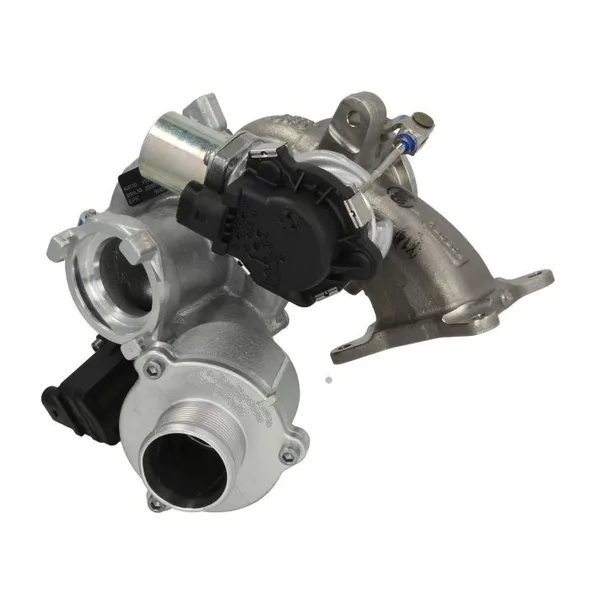
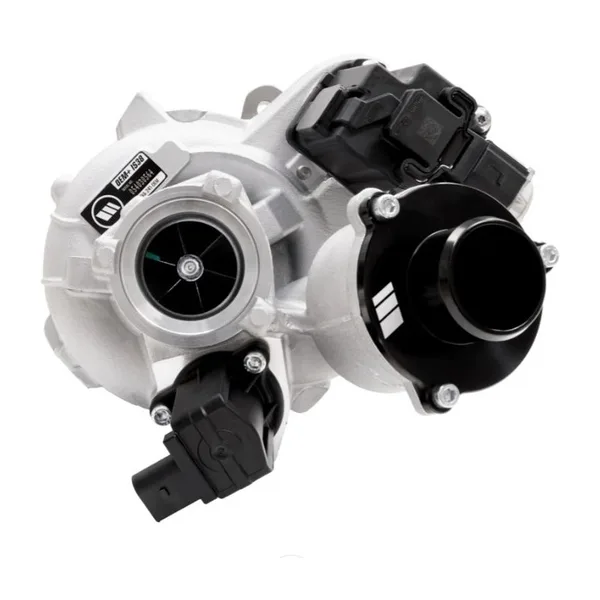
The 2.0 TSI 272 HP turbocharger category addresses a critical need in the aftermarket: reliable, high-performance exchange turbos for Volkswagen, Audi, Skoda, and Seat engines. These turbos are designed for engines where power delivery and efficiency are non-negotiable, such as the EA888 Gen 3 found in models like the Golf R, Passat B8, and Octavia RS. Whether you're a mechanic replacing a failing unit or a car owner restoring performance, this category provides turbos that restore original power levels without the uncertainty of used parts.
This range is built on a foundation of OEM-equivalent remanufacturing, where each turbo undergoes rigorous testing to ensure it meets or exceeds factory specifications. The turbos in this category are sourced from suppliers who specialize in high-volume remanufacturing, ensuring consistency in performance and longevity. The role of the wholesaler here is to bridge the gap between remanufacturers and end-users, providing turbos that are ready for immediate installation with minimal risk of fitment issues or premature failure.
Professional uses by trade
Different users approach turbo replacement with distinct priorities. Garages prioritize speed and reliability, while DIY enthusiasts seek cost-effective solutions. German buyers, in particular, value precision and durability. This section outlines how each group can leverage this category to address their specific needs efficiently.
- Le garagiste independant : Replace a failing turbo on a 2015 Audi S3 2.0 TSI 272 HP with a remanufactured unit that matches OEM torque curves and boost levels, minimizing diagnostic time and customer wait times.
- L'automobiliste depanne : Source a direct-fit turbo for a 2013 Volkswagen Golf R to restore lost power and eliminate excessive blue smoke from the exhaust, ensuring a smooth return to peak performance.
- Le passionne qui fait lui-meme : Purchase a turbo with clear OEM reference numbers to avoid compatibility guesswork, allowing for a straightforward installation without specialized tools or professional assistance.
- Der deutsche Kaeufer (DACH) : Select a turbo that adheres to strict German engineering standards, including precise wastegate calibration and robust CHRA components, for long-term reliability in high-performance applications.
- Le garagiste independant : Use turbos with pre-installed actuators to reduce labor hours, as the actuator is already matched to the turbo’s boost curve, eliminating the need for recalibration during installation.
- L'automobiliste depanne : Choose a turbo with a documented core deposit system, ensuring a smooth return process for the old unit and reducing upfront costs through a refundable consignment fee.
- Der deutsche Kaeufer (DACH) : Opt for turbos with reinforced compressor wheels and ceramic bearings, as these components are critical for maintaining performance in engines subjected to frequent high-load conditions.
Range comparison
This section compares the two primary turbo models available for the 2.0 TSI 272 HP category. Each model is evaluated based on its design, compatibility, and suitability for different use cases, helping users make an informed decision tailored to their specific needs.
| Range | Use | Format |
|---|---|---|
| SL Turbo 9VA05 | high-performance street and track applications | |
| Turbo IHI IS38 | OEM-equivalent remanufactured units for daily drivers |
How to choose
Selecting the right turbo for a 2.0 TSI 272 HP engine requires careful consideration of several factors. These include the turbo’s design, its compatibility with the vehicle’s ECU, and the quality of its remanufacturing process. This section outlines the key criteria to evaluate before making a purchase.
- Prioritize turbos with a documented remanufacturing process, as this ensures the CHRA components are restored to factory specifications, including balanced compressor and turbine wheels.
- Check for OEM reference numbers or direct-fit compatibility to avoid fitment issues, especially in models with complex exhaust manifolds or integrated turbo designs.
- Evaluate the turbo’s actuator type and calibration, as mismatched actuators can lead to boost inconsistencies or premature failure of the turbocharger assembly.
- Opt for turbos with reinforced housings and high-temperature coatings, as these features extend the unit’s lifespan in high-stress applications like track use or frequent towing.
- Ensure the turbo includes a clear core deposit policy, as this simplifies the return process for the old unit and may reduce the overall cost of the exchange.
- Select turbos with documented test results, such as pressure curves and leak tests, to verify their performance before installation and avoid costly callbacks.
- Choose suppliers who provide detailed installation guides or technical support, as this reduces the risk of installation errors and ensures the turbo performs as intended from day one.
Storage & logistics
Proper storage and handling of exchange turbos are critical to maintaining their performance and longevity. These units should be kept in a climate-controlled environment to prevent moisture buildup, which can corrode internal components like the CHRA or wastegate. For garages and wholesalers, it’s essential to rotate stock regularly to ensure turbos are used within their recommended shelf life, typically 12–24 months from the remanufacturing date. When handling turbos, avoid dropping or jarring them, as this can misalign internal components or damage the compressor wheel. Always store turbos in their original packaging or protective cases to shield them from dust and debris, which can contaminate the CHRA during installation. For long-term storage, consider using desiccant packs to control humidity levels and prevent condensation inside the turbo housing.
With over a decade of experience in the turbocharger aftermarket, our team has seen firsthand how a poorly remanufactured turbo can derail a repair job. That’s why we only source turbos that undergo multi-stage testing, including boost curve verification and leak detection, to ensure they meet the demands of professional garages and demanding enthusiasts alike.— autoKUR team
Related categories
Browse our other ranges:
Useful references
For regulatory and sector references, see Reglement (UE) 461/2010 — pieces de rechange et garantie constructeur.