
Available products
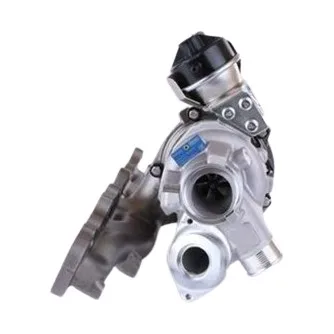
In stock
1 exchange-standard reference(s) match the SKODA Octavia 3 (5E3 / NL3 / NR3) 2.0 TDI 150 hp (110 kW diesel). Output is the deciding criterion: a part meant for another output of the same displacement will not fit.
Engine specification: 1968 cm³, diesel, built from 11/2012 to 10/2020. Matching part number: 030TC11002000 (MAHLE). Compare with the code stamped on your part.
Other engines of the SKODA Octavia 3 (5E3 / NL3 / NR3): 1.8 TSI 180 hp, 1.4 TSI 150 hp, 1.5 TSI 150 hp. If the code stamped on your part is legible, search by reference remains the safest route. 24-month warranty.
Related categories
Frequently asked questions
About this category
The 2.0 TDI 150 hp turbo exchange standard category addresses a common pain point for drivers and mechanics: turbocharger failure in Volkswagen Group vehicles. Whether due to oil starvation, foreign object damage, or wear over time, a failing turbo leads to reduced power, increased fuel consumption, and potential engine damage. This category provides pre-tested, remanufactured turbos designed to restore original performance levels while offering a sustainable alternative to new OEM parts.
The range is curated by a specialist wholesaler with direct access to remanufacturing partners, ensuring that each turbo meets strict quality benchmarks. The focus is on compatibility, durability, and value, with products sourced from manufacturers known for their engineering precision. This approach bridges the gap between OEM quality and aftermarket affordability, making it ideal for workshops and private buyers alike.
Professional uses by trade
Different users approach turbo replacement with distinct priorities: garages prioritize speed and reliability, DIYers seek cost savings, and German buyers value long-term consistency. Understanding these needs ensures the right turbo is selected for each scenario.
- Independent garage: Replace a failing turbo on a 2018 VW Passat 2.0 TDI 150 hp with a remanufactured unit to avoid costly downtime.
- DIY enthusiast: Source a turbo for a 2015 Audi A4 2.0 TDI 150 hp to restore power without professional labor costs.
- German buyer: Purchase a turbo for a Skoda Octavia 2.0 TDI 150 hp with reliable fitment for the local market.
- Workshop manager: Stock turbos for the 2.0 TDI 150 hp range to reduce lead times for customer repairs.
- Passionate driver: Find a turbo that matches the original specifications for a 2016 Seat Leon 2.0 TDI 150 hp to maintain vehicle integrity.
- Mechanic: Use a remanufactured turbo to address a customer complaint of excessive blue smoke from the exhaust.
- Private owner: Replace a turbo showing signs of oil leakage to prevent further engine damage.
Range comparison
The following turbos are selected for their proven compatibility with the 2.0 TDI 150 hp engine across multiple vehicle models. Each option is presented with its core features to simplify the selection process.
| Range | Use | Format |
|---|---|---|
| Turbo MAHLE 030TC11002000 | DIY-friendly packaging |
How to choose
Selecting the right turbo for a 2.0 TDI 150 hp engine requires attention to several key factors. These ensure the part will perform as expected and integrate seamlessly with the vehicle’s systems.
- Verify the turbo’s compatibility with your vehicle’s exact model year and engine code to avoid fitment issues.
- Check the condition of the core deposit (old turbo) to ensure it meets the supplier’s return policy requirements.
- Prioritize turbos with a warranty covering performance and durability to protect your investment.
- Confirm the turbo’s remanufacturing process includes cleaning, bearing replacement, and dynamic balancing.
- Assess the supplier’s return policy for defective units to minimize risk in case of installation errors.
- Evaluate the packaging for protection during transit, especially for international shipments.
- Consider the availability of technical documentation to assist with installation and troubleshooting.
Storage & logistics
For workshops, storing remanufactured turbos requires controlled conditions to preserve their condition. Keep units in their original packaging until installation to prevent contamination from dust or moisture. Store in a dry, temperature-stable environment away from direct sunlight, and avoid stacking heavy items on top to prevent deformation. For bulk orders, use shelving with dividers to organize by model and engine code, ensuring quick identification during busy periods. Always handle turbos with care, using gloves to avoid transferring oils or residues that could affect performance.
With over a decade in the turbo remanufacturing industry, our team has seen how a single faulty turbo can disrupt a vehicle’s performance. We focus on delivering turbos that restore power and reliability, backed by rigorous testing to meet the demands of both professionals and enthusiasts.— autoKUR team
Related categories
Browse our other ranges:
Useful references
For regulatory and sector references, see Reglement (UE) 461/2010 — pieces de rechange et garantie constructeur.