

Available products
3 references


Frequently asked questions
About this category
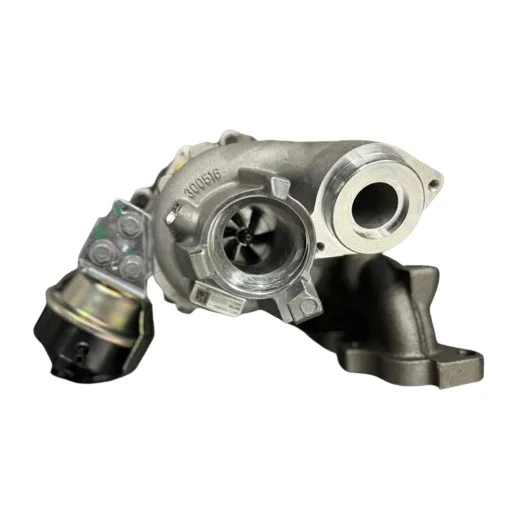
The 2.0 TDI 143 hp turbocharger category addresses a common pain point for Volkswagen Group vehicles, where turbo failure disrupts daily use and repair budgets. Here, you’ll find remanufactured turbos designed for direct replacement, covering a wide range of model years and vehicle configurations. Whether you’re a garage stocking up or a driver facing a breakdown, this section provides the essentials to resolve turbo issues efficiently.
This range is built on partnerships with certified remanufacturers who follow strict quality protocols, ensuring each turbo meets the demands of professional workshops and DIY mechanics. The grossist role here is to aggregate these high-quality units, offering garages a one-stop solution for turbocharger needs across multiple brands and motorizations.
Professional uses by trade
Different users approach turbo replacement with distinct priorities: garages need reliability and turnover, stranded drivers seek immediate solutions, and enthusiasts value compatibility and ease of installation. Tailoring your choice to these needs ensures a smoother repair process.
- Independent garage: Source turbos with verified fitment for 2.0 TDI 143 hp engines to minimize diagnostic errors and reduce comebacks.
- Stranded motorist: Purchase a remanufactured turbo to restore vehicle performance after sudden power loss or excessive exhaust smoke.
- DIY enthusiast: Select a turbo with clear installation guidance to complete the replacement without professional assistance.
- German buyer (DACH): Opt for turbos compatible with VW, Audi, or Skoda models, ensuring seamless integration with local vehicle fleets.
- Workshop manager: Stock exchange standard turbos to maintain service continuity and reduce downtime for customers.
- Fleet operator: Replace failing turbos in company vehicles to avoid repeated breakdowns and maintain operational efficiency.
- Passionate collector: Find turbos for classic TDI models, ensuring authenticity and compatibility with vintage powertrains.
Range comparison
Below, compare three remanufactured turbos designed for the 2.0 TDI 143 hp, each tailored to specific use cases and vehicle configurations. Focus on compatibility and condition to make an informed decision.
| Range | Use | Format |
|---|---|---|
| SL Turbo 724930-5010S | Direct fit for VW Passat 2.0 TDI | |
| SL Turbo 5440 988 0036 | Compatible with Audi A4 2.0 TDI | |
| Turbo MAHLE 030TC11003000 | OEM-grade replacement for Skoda Octavia |
How to choose
Selecting the right turbo for your 2.0 TDI 143 hp requires attention to motorization specifics, condition of the core, and packaging options. Prioritize units with clear documentation and a history of reliable performance to avoid installation surprises.
- Verify motorization codes (e.g., CFFB, CFFC) to ensure the turbo matches your engine’s exact specifications and model year.
- Inspect the condition of the core deposit: a clean, undamaged unit often indicates a higher-quality remanufacturing process.
- Evaluate packaging: bulk options for garages should include protective materials to prevent transit damage during high-volume orders.
- Check for consistent quality across batches, as irregularities may lead to premature failure or installation complications.
- Consider the availability of technical support for troubleshooting, especially for less common motorizations or aftermarket applications.
- Assess the return policy for core deposits, ensuring flexibility for garages managing fluctuating repair volumes.
- Prioritize turbos with a documented remanufacturing process, as this reduces the risk of hidden defects or compatibility issues.
Storage & logistics
For garages and workshops, storing exchange standard turbos requires controlled conditions to maintain performance. Keep units in their original packaging until installation, away from moisture and extreme temperatures. Rotate stock based on expiry dates (if applicable) to ensure freshness, and use dedicated shelving to prevent damage from heavy items. For bulk orders, palletized storage with clear labeling streamlines inventory management and reduces retrieval time during peak repair seasons.
With over 15 years in turbo remanufacturing, our team has seen how a well-matched exchange standard unit can transform a vehicle’s performance overnight. We don’t just sell turbos—we provide the confidence that comes from knowing every unit has passed rigorous compatibility and quality checks before it reaches your hands.— autoKUR team
Related categories
Browse our other ranges:
Useful references
For regulatory and sector references, see Reglement (UE) 461/2010 — pieces de rechange et garantie constructeur.