


Frequently asked questions
About this category
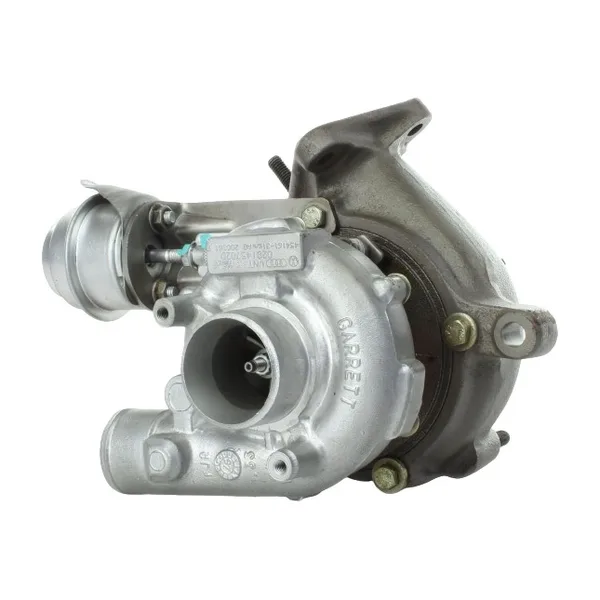
This category is dedicated to exchange turbochargers designed for vehicles fitted with the 1.9 TDI 110 hp engine. Buyers usually arrive with a specific motorisation in mind rather than a part number, so every listing here is organised around engine code, power output and mounting configuration rather than brand alone. Independent garages, drivers repairing their own vehicle and enthusiasts who prefer working on their car themselves will find the reference data needed to confirm fitment before ordering an exchange unit. Each reference corresponds to a distinct turbocharger construction, so matching the correct one starts with the vehicle's own documentation.
The range is built around exchange references rather than new-build parts: each unit corresponds to a specific turbocharger construction already validated for the 1.9 TDI 110 hp engine, remanufactured from a returned core rather than assembled from scratch. As a parts supplier, our role is to keep those references organised and traceable, from the original equipment cross-reference through to the core-deposit exchange, so a garage or DIY buyer can order with confidence in the compatibility data rather than the brand name on the housing.
Professional uses by trade
The 1.9 TDI 110 turbo reaches different hands before it reaches an engine bay. The way it gets ordered, checked and fitted changes depending on whether the buyer runs a workshop, is repairing their own car in a driveway, or is sourcing a part on behalf of a vehicle owner in Germany or elsewhere.
- Independent garage: Cross-check the engine code and power rating stamped on the original turbocharger against the exchange reference before removing the failed unit from the vehicle.
- Independent garage: Keep the returned core reasonably intact, since the exchange process depends on a usable housing and shaft assembly being sent back afterward.
- Driver troubleshooting a breakdown: Compare symptoms such as reduced power, visible exhaust smoke, a whistling noise or the engine entering limp mode against documented failure patterns before assuming the turbocharger has failed.
- DIY enthusiast: Confirm the exact reference and mounting position before ordering, since a 1.9 TDI 110 hp engine can carry more than one turbocharger construction depending on the vehicle.
- DIY enthusiast: Have the vehicle's documentation on hand when comparing OEM reference numbers against the exchange unit's cross-reference list to avoid ordering the wrong part.
- German buyer (DACH): Verify the reference against the vehicle's engine code before ordering, since installation itself is carried out by a workshop rather than performed remotely.
Range comparison
The table below lists the exchange turbocharger references available for the 1.9 TDI 110 hp engine, together with the intended use case and the general exchange format buyers should expect when ordering a remanufactured unit.
| Range | Use | Format |
|---|---|---|
| Turbo Garrett 454161-5003S | engine boost restoration | |
| SL Turbo 701854-5004S | engine boost restoration |
How to choose
Choosing the right reference for a 1.9 TDI 110 turbo comes down to verifying a handful of details rather than picking by brand, since two vehicles sharing the same power rating can still require different turbocharger constructions.
- Engine code match: Confirm the exact engine code stamped on the vehicle rather than relying on power rating alone, since several codes can share the same 110 hp output.
- Mounting position: Check whether the turbocharger mounts with the original actuator and connections intact, since exchange units are built to match the original assembly point by point.
- Core-deposit terms: Understand the exchange process before ordering, since the returned core must reach the supplier within the agreed window for the deposit to be settled.
- Consistency across units: Favour references with documented, consistent quality control across production runs, since a garage reordering the same part later needs comparable results each time.
- Stock rotation: Order the reference closest to the vehicle's actual engine code and production years rather than the closest match by memory, to avoid a return.
- Turbocharger construction: Note whether the reference uses a variable-geometry mechanism or a fixed-geometry cartridge and CHRA assembly, since replacement checks differ between the two.
- Warranty terms: Ask about the warranty conditions attached to the specific reference before ordering, since terms can differ from one exchange turbocharger to another.
Storage & logistics
An exchange turbocharger should stay in its original packaging until the moment of fitting, kept dry and away from direct impact, since the actuator, sensors and connections attached to the housing are more vulnerable than the core itself during handling. For a workshop managing several references at once, keeping units identified by engine code and reference number from the moment they arrive avoids mismatches later in a busy schedule. The returned core, once the failed turbocharger is removed, should be packaged with the same care and sent back promptly, since the core-deposit exchange depends on a housing and shaft assembly that remains usable on arrival.
We built this range around the reference data buyers actually need at the moment of ordering: engine code, power rating and mounting position, checked before the exchange rather than assumed after the invoice.— autoKUR team
Related categories
Browse our other ranges:
Useful references
For regulatory and sector references, see Reglement (UE) 461/2010 — pieces de rechange et garantie constructeur.