

Available products
3 references

Frequently asked questions
About this category
This category brings together exchange turbochargers for the 1.9 dCi 131 hp engine, a unit shared across a range of Renault and Nissan applications from the mid-2000s onward. It serves three overlapping audiences: independent garages replacing a failed unit between appointments, drivers dealing with a sudden loss of power or a warning light, and owners who prefer to handle the swap themselves. Each listing ties back to a specific engine code and OEM reference, rather than a vehicle name alone, since the same block appears under several commercial badges.
The range is built around exchange-standard units, meaning each replacement corresponds to a previously reconditioned core rather than a newly manufactured housing. References come from established remanufacturers such as SL Turbo and Garrett, chosen for traceable part numbering rather than badge recognition alone. This structure keeps a wholesale-style catalogue organized by engine code first and vehicle application second, so buyers moving between markets and languages can still land on the correct reference.
Professional uses by trade
The 1.9 dCi 131 hp engine turns up under several vehicle names, so the reference list below is organized by how different buyers actually search: by symptom, by engine code, or by the habit of ordering from a known part number.
- Le garagiste independant : Ordering a 1.9 dCi 131 turbo by engine code lets a workshop restock several bays at once without waiting on a single vehicle-specific listing to reappear.
- L'automobiliste depanne : When power drops sharply or a warning light appears mid-drive, matching the failed unit's reference here avoids guessing from the car's trim level alone.
- Le passionne qui fait lui-meme : A home mechanic comparing OEM numbers against this list can confirm compatibility before removing the original housing from the engine bay.
- Der deutsche Kaeufer (DACH) : A buyer searching from Germany, Austria, or Switzerland can cross-check the same engine code reference regardless of which local badge the vehicle carries.
- Le garagiste independant : Keeping a small stock of exchange units against this platform's most common references shortens turnaround on repeat repair jobs.
- L'automobiliste depanne : Checking the engine code stamped near the block, rather than relying on memory of the car's model year, narrows the search to the right listing quickly.
Range comparison
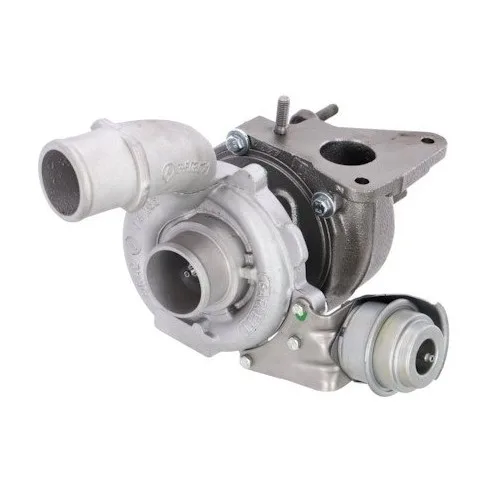
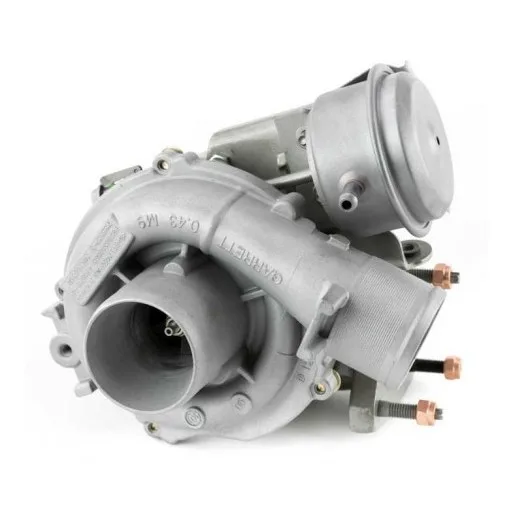
The three exchange units below cover the main reference paths reported for this engine, each listed under its manufacturer part number so it can be checked against the code stamped on the original housing.
| Range | Use | Format |
|---|---|---|
| SL Turbo 755507-5009S | engine code cross-check | |
| Turbo Garrett 763980-5007S | workshop restock by reference | |
| SL Turbo 708639-5011S | self-fit replacement by owner |
How to choose
Matching a replacement to this engine takes more than a model name. The points below outline what independent buyers and workshops typically check before ordering.
- Engine code match: confirming the code stamped on the original housing against the reference listed here prevents ordering a turbocharger built for a related but different engine variant.
- OEM reference and equivalence: cross-referencing the manufacturer part number, rather than the vehicle name alone, catches cases where the same block was fitted under several commercial badges.
- Symptom pattern: a loss of power, visible smoke, a whistling noise under load, or the engine dropping into limp mode all point toward the turbocharger before other parts are checked.
- Variable geometry mechanism: this platform relies on a variable-geometry design, so the replacement unit needs to match that mechanism rather than a fixed-vane equivalent.
- Cartridge and CHRA condition: buyers replacing only the core assembly should confirm whether the listed reference covers the full unit or the CHRA alone.
- Core return and warranty terms: the exchange process for the removed part, and the coverage attached to the replacement, are worth confirming before the order is placed.
- Professional fitting: installation is carried out by a qualified technician, independent of this listing, using the engine code confirmed beforehand.
Storage & logistics
Exchange turbochargers should be kept in their original packaging until fitting, stored upright and away from direct moisture to protect the actuator and oil feed connections. For workshops holding several references for the 1.9 dCi 131 platform, grouping stock by exchange reference rather than vehicle name reduces picking errors when two engine codes share a similar housing. The core return process for the removed unit is worth planning before the swap begins, since exchange terms typically depend on the old part being returned in a condition that allows reconditioning.
We've followed the 1.9 dCi 131 reference tree since 2026, and the pattern holds: garages that order by engine code, not by car name, get the right unit on the first try.— autoKUR team
Related categories
Browse our other ranges:
Useful references
For regulatory and sector references, see Reglement (UE) 461/2010 — pieces de rechange et garantie constructeur.