
Available products
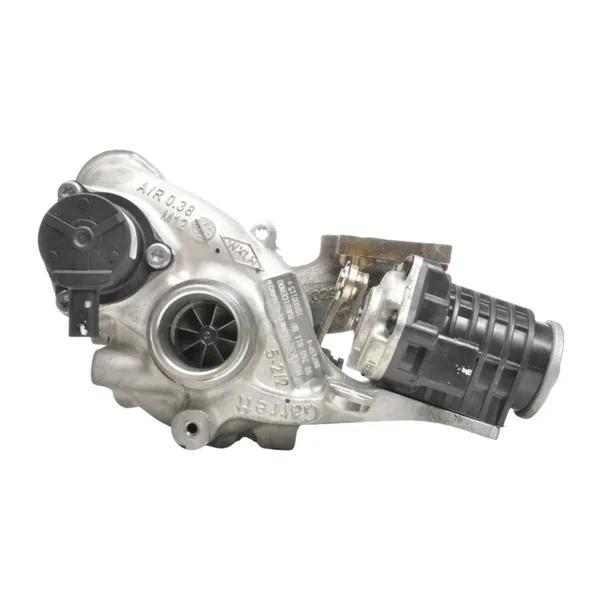
In stock
When your Peugeot 308 with the 1.2 PureTech 130 110 hp engine starts losing power or emitting excessive smoke, the root cause often lies in the turbocharger’s internal components. This category provides reconditioned turbos designed to restore your vehicle’s original performance without the cost of a new unit. Discover our full range: SW.
Garages and independent mechanics rely on this range for turbos that match OEM specifications, delivered in bulk packaging to streamline workshop inventory. The wholesale pricing structure ensures competitive margins while maintaining consistent quality across all reconditioned units.
Our team has been sourcing and remanufacturing turbos for European vehicles since 2026, ensuring every unit meets the same durability standards as the original. We handle the logistics so you can focus on repairs, not sourcing.
Related categories
Frequently asked questions
About this category
This category is dedicated to the reconditioned turbocharger for the Peugeot 308 equipped with the 1.2 PureTech 130 110 hp engine, a motorization widely used in compact and family cars across Europe. Whether you are a professional mechanic, a DIY enthusiast, or a German buyer seeking a reliable replacement, this section provides turbos that restore lost power and efficiency. The turbos listed here are not new but have undergone rigorous remanufacturing to meet original equipment standards.
The range is built around core turbos sourced from vehicles in running condition, ensuring compatibility with the 1.2 PureTech 130 110 hp engine. Each unit is processed by specialized workshops that replace worn components, balance rotating assemblies, and test for leaks or performance drops. The role of the wholesaler is to aggregate these remanufactured parts, offering garages and private buyers a cost-effective alternative to OEM turbos without compromising on reliability.
Professional uses by trade
Different users approach turbo replacement with distinct priorities: garages need bulk availability and fast turnaround, DIYers seek clear compatibility guides, and German buyers prioritize durability and ease of installation. This section breaks down how each group can leverage these turbos effectively.
- Garagist: Replace a failing turbo on a 2018 Peugeot 308 1.2 PureTech 130 110 hp with a remanufactured unit to avoid costly OEM replacements.
- DIY enthusiast: Install a reconditioned turbo yourself by following the vehicle-specific compatibility notes provided in the product details.
- German buyer: Order a turbo that matches the exact specifications of the Peugeot 308 1.2 PureTech 130 110 hp for a seamless fit and restored performance.
- Mechanic in a small workshop: Stock up on turbos for multiple Peugeot models to reduce downtime and maintain a steady supply of critical parts.
- Passionate driver: Restore your vehicle’s responsiveness after noticing symptoms like sluggish acceleration or excessive exhaust smoke.
- Independent garage owner: Source turbos that meet the same durability standards as OEM parts but at a fraction of the cost.
- European buyer: Find a turbo that fits the 1.2 PureTech 130 110 hp engine without needing to visit a dealership or official service center.
Range comparison
Below, you will find the available reconditioned turbos for the Peugeot 308 1.2 PureTech 130 110 hp, listed with their exact reference and intended use. Each option is presented with its core compatibility and packaging format to simplify selection.
| Range | Use | Format |
|---|---|---|
| Turbo Garrett 887157-5001S | direct replacement for 1.2 PureTech 130 110 hp |
How to choose
Selecting the right turbo involves more than just matching the engine code. Consider the condition of the core, the remanufacturing process, and the packaging for your specific needs. This section outlines the key factors to evaluate before making a purchase.
- Core condition: Ensure the turbo’s core is free of cracks or excessive wear to avoid hidden defects after installation.
- Remanufacturing process: Verify that the turbo has undergone a standardized remanufacturing procedure, including component replacement and balancing.
- Packaging integrity: Choose turbos delivered in sturdy packaging to prevent damage during transit, especially for bulk orders.
- Compatibility notes: Check the vehicle’s production year and engine variant to confirm the turbo’s fitment before ordering.
- Supplier reliability: Opt for turbos from suppliers with a track record of consistent quality and timely delivery to your workshop.
- Return policy: Confirm the supplier’s policy on core deposits and returns for defective units to protect your investment.
- Bulk discounts: Evaluate pricing tiers for larger orders to maximize savings without compromising on part quality.
Storage & logistics
Storing reconditioned turbos requires attention to environmental conditions to preserve their condition until installation. Keep units in a dry, temperature-controlled space away from direct sunlight or moisture, which can degrade seals and metal components. For garages, organize turbos by vehicle model and engine code to streamline retrieval during repairs. Bulk orders should be stored in their original packaging until use to prevent contamination or physical damage. Regularly inspect stored turbos for signs of rust or corrosion, especially in humid climates, and rotate stock to ensure older units are used first. This approach minimizes waste and ensures every turbo meets performance standards when installed by a third-party professional.
Since 2026, our team has been refining the process of sourcing and remanufacturing turbos for European vehicles, ensuring every unit meets the same durability standards as the original. We handle the logistics so you can focus on repairs, not sourcing.— autoKUR team
Related categories
Browse our other ranges:
Useful references
For regulatory and sector references, see Reglement (UE) 461/2010 — pieces de rechange et garantie constructeur.