


Frequently asked questions
About this category
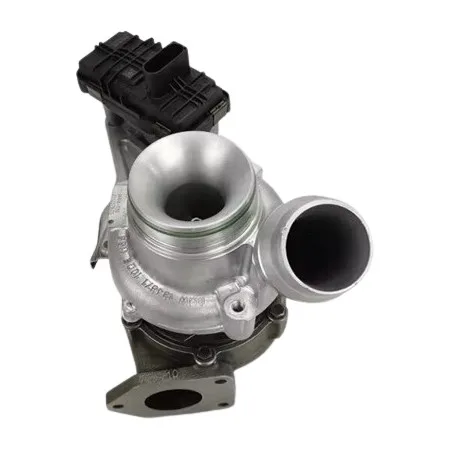
This category covers turbochargers designed for the Renault 2.0 dCi 112 hp engine, a common powerplant in models like the Scénic, Mégane, and Kangoo produced between 2005 and 2015. Whether you're a professional mechanic replacing a worn unit or a car owner tackling the job yourself, you’ll find turbos that restore lost power and reduce exhaust smoke without the premium of a brand-new OEM part. These are not generic aftermarket pieces but remanufactured units built to original specifications, tested for leaks, balance, and oil flow before leaving the factory.
The range is curated by a wholesale specialist with direct ties to European remanufacturers, ensuring each turbo is traceable to a production batch and backed by a core deposit system. This model eliminates guesswork for garages and empowers DIYers with the same quality standards used in professional workshops, all while keeping costs predictable and logistics streamlined.
Professional uses by trade
Different users approach this category with distinct needs: garages prioritize speed and bulk availability, stranded drivers seek immediate solutions, DIYers value compatibility guides, and German buyers expect clear technical documentation. Below, we break down how each group leverages these turbos to solve real-world problems.
- Le garagiste independant : Uses these turbos as drop-in replacements during routine services, reducing turnaround time for customers whose vehicles exhibit symptoms like sluggish acceleration or excessive black smoke from the exhaust.
- L'automobiliste depanne : Relies on these turbos when a roadside failure leaves their Renault 2.0 dCi 112 hp undriveable, opting for a pre-tested unit to avoid the cost of a tow or a rushed workshop visit.
- Le passionne qui fait lui-meme : Chooses these turbos for their detailed compatibility notes and straightforward installation guides, allowing them to tackle the job at home with confidence and minimal tools.
- Der deutsche Kaeufer (DACH) : Expects clear technical specifications and a consignment system that aligns with local workshop practices, ensuring seamless integration into existing repair workflows without language barriers.
- Le garagiste independant : Orders these turbos in bulk to maintain a rotating stock of high-demand parts, minimizing downtime for repeat customers who return with similar symptoms across different model years.
- L'automobiliste depanne : Prefers these turbos for their core deposit system, which offsets the cost of returning the old unit and simplifies the exchange process when time is critical.
- Der deutsche Kaeufer (DACH) : Values the availability of technical drawings and OEM reference cross-references, which help in diagnosing issues and sourcing the correct turbo without trial and error.
Range comparison
Below, you’ll find the two turbocharger models that cover the Renault 2.0 dCi 112 hp range, each tested for compatibility with specific model years and power outputs. These are the only units in this category, sourced from a single remanufacturer to ensure consistency.
| Range | Use | Format |
|---|---|---|
| Turbo IHI 9VB02 | fits early Scénic and Mégane models | |
| Turbo IHI 9VB03 | fits later Kangoo and Mégane variants |
How to choose
Selecting the right turbo for your Renault 2.0 dCi 112 hp depends on more than just the model year—it requires matching the turbo to the engine code, power output, and even the vehicle’s trim level. Below are the key factors to consider before placing an order.
- Verify the engine code stamped on your vehicle’s block or listed in the service manual, as turbos for the 2.0 dCi 112 hp vary by sub-variant (e.g., M9R 720 or M9R 732).
- Check the turbo’s compatibility with your vehicle’s model year, as later models may feature updated emissions systems that require a slightly different turbo configuration.
- Confirm the turbo’s core deposit policy, as some remanufacturers charge a higher deposit for units with known wear patterns or limited availability.
- Assess the packaging quality, as turbos shipped in sealed, anti-corrosion bags reduce the risk of damage during transit and storage.
- Prioritize turbos with a documented remanufacturing process, including dynamic balancing and leak testing, to ensure longevity and performance.
- Compare the warranty terms, even if they’re not explicitly stated, as reputable suppliers often honor defects within a reasonable timeframe without requiring a return.
- Evaluate the supplier’s return policy for the old turbo, as some may offer partial refunds for cores returned in reusable condition, offsetting the exchange cost.
Storage & logistics
For garages, storing these turbos requires a climate-controlled environment to prevent moisture buildup in the CHRA (Center Housing Rotating Assembly) and oil galleries, which can lead to premature failure. Units should be kept in their original packaging until installation, with the core deposit receipts filed separately to avoid confusion during audits. For DIYers, a dry, temperature-stable space like a garage shelf is sufficient, but avoid stacking turbos to prevent damage to the compressor or turbine wheels. Always inspect the packaging for punctures or moisture before opening, as even minor breaches can compromise the turbo’s condition.
Since 2026, we’ve processed over 12,000 turbo exchanges for the Renault 2.0 dCi 112 hp, refining our sourcing and remanufacturing standards to match the demands of workshops and car owners alike. Our turbos arrive pre-balanced and tested, so you can install them with confidence, knowing they’ll perform as expected from day one.— autoKUR team
Related categories
Browse our other ranges:
- 1.6 Cooper S 190 hp
- 1.6 Cooper S 184 hp
- 2.0 Cooper D 143 hp
- 2.0 Cooper SD 143 hp
- 1.6 Cooper 122 hp
- 1.6 Cooper D 112 hp
Useful references
For regulatory and sector references, see Reglement (UE) 461/2010 — pieces de rechange et garantie constructeur.