
Available products
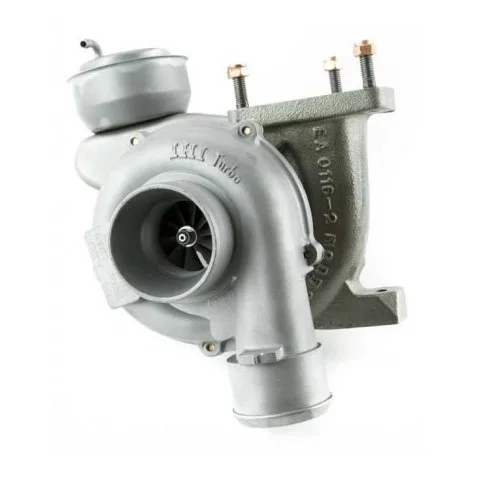
In stock
1 exchange-standard reference(s) match the MERCEDES Vito (W639) 111 CDI 109 hp (80 kW diesel). Output is the deciding criterion: a part meant for another output of the same displacement will not fit.
Engine specification: 2148 cm³, diesel, built since 09/2003. Matching part number: VV14 (SL Turbo). Compare with the code stamped on your part.
Other engines of the MERCEDES Vito (W639): 122 CDI 224 hp, 120 CDI 204 hp, 116 CDI 163 hp. If the code stamped on your part is legible, search by reference remains the safest route. 24-month warranty.
Related categories
Frequently asked questions
About this category
The Mercedes 111 CDI 109 hp engine, widely used in commercial vehicles and vans, relies on a robust turbocharging system to maintain efficiency and power output. This category provides a curated selection of exchange-standard turbos designed specifically for this motorization, ensuring compatibility across model years and applications. Whether you're a professional mechanic or a hands-on owner, these parts are engineered to restore original performance without the premium cost of new OEM components.
The range is built around the core principle of exchange-standard remanufacturing, where worn turbos are restored to near-new condition through rigorous processes that include cleaning, inspection, and replacement of critical components. This approach reduces waste and cost while maintaining the reliability expected from Mercedes engines. The supply chain is managed by a network of certified wholesalers who ensure consistent quality and availability for garages and distributors.
Professional uses by trade
Different users approach turbo replacement with distinct priorities, whether it's minimizing downtime for a fleet vehicle or ensuring a long-lasting repair for a personal project. This section outlines how each group can leverage the available options to meet their specific needs.
- Le garagiste independant : Replace a failing turbo on a 111 CDI 109 hp with a remanufactured unit to avoid lengthy OEM lead times and reduce repair costs for commercial clients.
- L'automobiliste depanne : Source a compatible turbo for a Mercedes Sprinter or Vito to restore power and fuel efficiency after noticing symptoms like sluggish acceleration or excessive exhaust smoke.
- Le passionne qui fait lui-meme : Purchase an exchange-standard turbo for a DIY installation, benefiting from clear compatibility notes and technical support to simplify the process.
- Der deutsche Kaeufer (DACH) : Find a turbo that meets the strict quality standards of German workshops, ensuring reliability for high-mileage commercial vehicles in the DACH region.
- The fleet manager : Order turbos in bulk to maintain a rotating stock of exchange-standard units, reducing vehicle downtime and controlling maintenance budgets.
- The mobile mechanic : Carry a selection of 111 CDI 109 hp turbos in the van to offer on-site replacements, minimizing customer inconvenience and maximizing service efficiency.
- The parts distributor : Stock turbos for this motorization to supply local garages, ensuring quick turnaround and reducing the need for emergency orders.
Range comparison
This section presents the available turbos for the 111 CDI 109 hp, each selected for its compatibility and remanufacturing quality. The options are presented with clear details to help users make an informed choice.
| Range | Use | Format |
|---|---|---|
| SL Turbo VV14 | direct replacement for 111 CDI 109 hp |
How to choose
Selecting the right turbo involves evaluating several factors beyond basic compatibility, including the condition of the core, the remanufacturing process, and the supplier's reliability. These criteria ensure a repair that meets professional standards.
- Verify the turbo's compatibility with your vehicle's exact motorization, including the engine code and model year, to avoid mismatches.
- Check the remanufacturing process used, prioritizing units that include CHRA (Center Housing Rotating Assembly) replacements for long-term reliability.
- Assess the condition of the core deposit, as a well-maintained core ensures a smoother exchange process and reduces additional costs.
- Evaluate the supplier's return policy for used turbos, ensuring flexibility in case of compatibility issues or defects upon arrival.
- Consider the packaging and handling instructions, as proper storage prevents damage during transit and simplifies installation.
- Review the warranty terms, focusing on coverage for defects and the process for claiming repairs or replacements.
- Compare the pricing structure, balancing cost with the quality of remanufacturing to ensure value for money in a professional setting.
- Look for turbos that include a pre-balanced cartridge, reducing the need for additional adjustments during installation.
Storage & logistics
Proper storage of exchange-standard turbos is essential to maintain their condition before installation, especially in a B2B environment where parts may sit in inventory for extended periods. Store turbos in a dry, temperature-controlled environment to prevent corrosion or damage to seals and bearings. Avoid stacking units directly on top of each other to reduce the risk of physical stress or deformation. Label each turbo with its motorization compatibility and remanufacturing date to streamline inventory management and reduce the likelihood of misplacement. Implement a first-in, first-out (FIFO) system to ensure older stock is used before newer arrivals, maintaining the freshness of the components. For garages, designate a dedicated storage area away from heavy machinery or chemicals that could compromise the turbo's integrity.
With over a decade of experience in turbo remanufacturing, our team has seen firsthand how the right exchange-standard part can transform a vehicle's performance. We don’t just sell turbos; we provide solutions that keep commercial fleets running and DIY projects on track.— autoKUR team
Related categories
Browse our other ranges:
Useful references
For regulatory and sector references, see Reglement (UE) 461/2010 — pieces de rechange et garantie constructeur.