
Available products
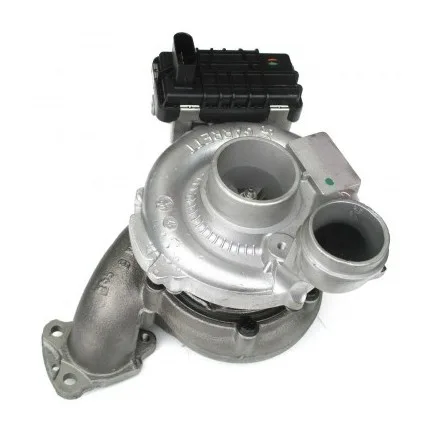
In stock
The MERCEDES CLS (C219) 350 CDI 224 hp (165 kW diesel) is covered by 1 exchange-standard reference(s). Check output before displacement: it determines the part.
Engine specification: 2987 cm³, diesel, built from 04/2009 to 12/2010. Matching part number: 765155-5008S (SL Turbo). Compare with the code stamped on your part.
Other engines of the MERCEDES CLS (C219): 320 CDI 224 hp. If the code stamped on your part is legible, search by reference remains the safest route. 24-month warranty.
Related categories
Frequently asked questions
About this category
The Mercedes-Benz OM642 350 CDI 224 hp turbo exchange standard category serves independent mechanics, self-repairing enthusiasts, and German-speaking buyers seeking a dependable solution for engine performance restoration. This range includes remanufactured turbocompressors designed to match the original specifications of the 350 CDI diesel engine, ensuring compatibility with vehicles from 2005 to 2018. The turbos in this category address common symptoms like power loss, excessive smoke, or unusual noises, providing a practical alternative to new OEM parts.
This category is curated by a specialist wholesaler with deep technical knowledge of Mercedes-Benz diesel engines, particularly the OM642 platform. The turbos listed here are sourced from certified remanufacturers who follow strict processes to restore the core components, including the CHRA (Center Housing Rotating Assembly) and variable geometry mechanisms. The role of the wholesaler is to aggregate these high-quality remanufactured parts, offering workshops and DIY users a streamlined path to sourcing reliable turbos without the premium of brand-new units.
Professional uses by trade
Different user groups approach the Mercedes-Benz OM642 350 CDI 224 hp turbo exchange standard category with distinct priorities, whether for professional repairs, personal projects, or cross-border purchases in the DACH region. Each group seeks a solution that balances cost, availability, and technical precision.
- Le garagiste independant : Replaces a failing turbo on a 2012 Mercedes-Benz 350 CDI with a remanufactured unit to restore full engine performance and avoid costly customer downtime during busy repair schedules.
- L'automobiliste depanne : Orders a turbo exchange standard for a 2008 Mercedes-Benz 350 CDI experiencing sudden power loss and excessive black smoke, prioritizing quick delivery and straightforward installation.
- Le passionne qui fait lui-meme : Sources a remanufactured turbo for a 2015 Mercedes-Benz 350 CDI to complete a DIY engine rebuild, focusing on compatibility and long-term reliability without professional labor costs.
- Der deutsche Kaeufer (DACH) : Purchases a turbo exchange standard for a 2010 Mercedes-Benz 350 CDI from a German supplier to ensure compliance with local regulations and warranty expectations for workshop installations.
- Le garagiste independant : Uses the exchange standard turbo to offer customers a budget-friendly alternative to OEM parts, maintaining workshop profitability while delivering consistent repair outcomes.
- L'automobiliste depanne : Selects a remanufactured turbo to address a persistent whistling noise and reduced acceleration in a 2014 Mercedes-Benz 350 CDI, seeking a solution that matches the original engine’s behavior.
- Der deutsche Kaeufer (DACH) : Procures a turbo exchange standard for a fleet of Mercedes-Benz 350 CDI vans, ensuring uniform performance across multiple vehicles with minimal lead time for replacements.
Range comparison
The following table presents the available turbocompressors for the Mercedes-Benz OM642 350 CDI 224 hp, each designed to meet the technical demands of the engine while offering an exchange standard solution. These turbos are listed with their core deposit requirements and return policies to facilitate smooth transactions.
| Range | Use | Format |
|---|---|---|
| SL Turbo 765155-5008S | Ideal for DIY enthusiasts restoring performance |
How to choose
Selecting the right turbo for the Mercedes-Benz OM642 350 CDI 224 hp requires attention to several key factors, including engine compatibility, core condition, and packaging options. These criteria ensure the part meets the technical and logistical needs of both professionals and DIY users.
- Verify the engine code (OM642.980) and model year to confirm turbo compatibility before ordering, as mismatches can lead to installation issues or poor performance.
- Inspect the core deposit policy to understand return requirements for the used turbo, ensuring compliance with exchange standard procedures and avoiding unexpected fees.
- Choose packaging that aligns with your workflow, whether bulk shipments for workshops or single-unit orders for individual repairs or DIY projects.
- Prioritize turbos with documented remanufacturing processes, including CHRA restoration and variable geometry calibration, to deliver consistent quality and longevity.
- Check the condition of the core (used turbo) to ensure it meets the supplier’s acceptance criteria, as damaged cores may incur additional charges or delays in processing.
- Opt for suppliers with transparent return policies and clear communication on lead times, reducing the risk of project delays during critical repairs.
- Consider the supplier’s technical support and documentation, as detailed guides and compatibility charts simplify the selection process for less experienced users.
Storage & logistics
For workshops and wholesalers, proper storage of Mercedes-Benz OM642 350 CDI 224 hp turbos is critical to maintaining their condition before installation. These components should be kept in a climate-controlled environment, away from moisture and direct sunlight, to prevent corrosion or damage to the variable geometry mechanisms. For bulk shipments, use sturdy, labeled containers that protect the turbos from impacts during handling and transport. Always store turbos in their original packaging or equivalent protective materials to preserve the integrity of the CHRA and gaskets. Regularly inspect stored turbos for signs of contamination or physical damage, and rotate stock to ensure older units are used first, adhering to FIFO (First In, First Out) principles. For DIY users, storing a spare turbo in a dry, temperature-stable location reduces the risk of degradation before installation, especially in regions with high humidity or extreme temperature fluctuations.
With over a decade of experience in turbo remanufacturing, our team has refined the process to deliver products that meet the exacting standards of the Mercedes-Benz OM642 350 CDI 224 hp, ensuring every exchange standard turbo performs as reliably as the original.— autoKUR team
Related categories
Browse our other ranges:
Useful references
For regulatory and sector references, see Reglement (UE) 461/2010 — pieces de rechange et garantie constructeur.