
Available products
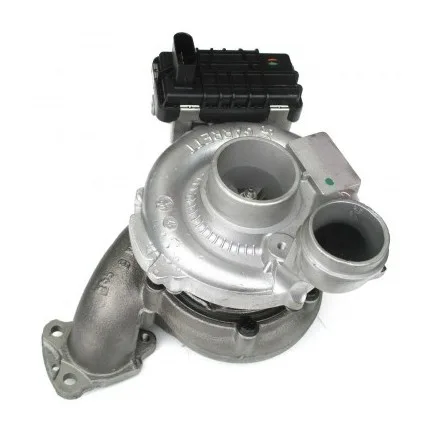
In stock
1 exchange-standard reference(s) match the MERCEDES CLS (C219) 320 CDI 224 hp (165 kW diesel). Output is the deciding criterion: a part meant for another output of the same displacement will not fit.
Engine specification: 2987 cm³, diesel, built from 01/2005 to 12/2010. Matching part number: 765155-5008S (SL Turbo). Compare with the code stamped on your part.
Other engines of the MERCEDES CLS (C219): 350 CDI 224 hp. If the code stamped on your part is legible, search by reference remains the safest route. 24-month warranty.
Related categories
Frequently asked questions
About this category
The Mercedes-Benz OM642 320 CDI 224 hp turbocharger category addresses a common failure point in this 3.0L V6 diesel engine, where turbo lag, excessive smoke, or power loss often signal a worn variable geometry turbocharger or failing high-pressure pump. This range includes exchange standard turbos designed for direct fitment, eliminating the need for costly OEM replacements while maintaining the engine’s original performance parameters. Suitable for both professional workshops and self-repairing owners, these components are sourced from remanufacturing specialists with proven track records in diesel engine systems.
The OM642 turbocharger range is built on a wholesale model where each unit undergoes rigorous testing for CHRA integrity, variable geometry calibration, and compatibility with the engine’s fuel delivery system. The role of the supplier is to aggregate remanufactured stock from certified partners, ensuring traceability and reducing lead times for garages managing multiple repair orders. This approach prioritizes rotational stock management, where core deposits (Pfand) are standard to incentivize returns of used turbos for remanufacturing.
Professional uses by trade
Different users approach the OM642 turbocharger replacement with distinct priorities: garages prioritize bulk availability and fast turnaround, while DIY owners seek cost-effective solutions that match OEM specifications. German buyers in the DACH region often require compliance with local emissions standards and prefer suppliers with transparent return policies for used cores.
- Independent garage: Replace a failing OM642 turbo with an exchange standard unit to restore 224 hp power output and avoid engine damage from prolonged limp mode.
- DIY enthusiast: Source a remanufactured turbo for the 320 CDI to complete a home repair, leveraging detailed compatibility charts to ensure a precise fit.
- German workshop: Order bulk OM642 turbos with core deposits to streamline inventory management and reduce downtime for customers with Mercedes-Benz diesel vehicles.
- Passionate driver: Address turbo lag symptoms in a 320 CDI by selecting an exchange standard unit, avoiding the expense of a new OEM turbo while maintaining reliability.
- Mercedes-Benz specialist: Stock exchange standard turbos for the OM642 to offer customers a cost-effective alternative to dealership repairs, backed by remanufacturing delivers.
Range comparison
The following table compares the available OM642 320 CDI 224 hp turbocharger options, focusing on compatibility, remanufacturing standards, and core return policies to guide professional buyers.
| Range | Use | Format |
|---|---|---|
| SL Turbo 765155-5008S | Direct fit for OM642 320 CDI |
How to choose
Selecting the right OM642 turbocharger requires evaluating several factors, including the condition of the variable geometry mechanism, the presence of CHRA wear, and the compatibility of the high-pressure pump interface.
- Check the turbocharger’s variable geometry calibration to ensure smooth operation and prevent excessive smoke or power loss in the 320 CDI.
- Verify the CHRA’s condition, as worn bearings or shaft play can lead to catastrophic failure if left unaddressed during remanufacturing.
- Confirm compatibility with the OM642’s fuel system, particularly the high-pressure pump, to avoid mismatches that could trigger error codes or reduced performance.
- Prioritize turbos with documented remanufacturing processes, including core cleaning, bearing replacement, and dynamic balancing for long-term reliability.
- Assess the core deposit policy to minimize upfront costs and streamline the return of used turbos for remanufacturing or recycling.
- Evaluate packaging quality to prevent transit damage, especially for bulk orders where multiple turbos are shipped to workshops.
- Consider the supplier’s rotation policy, as fresher stock reduces the risk of hidden defects in remanufactured components.
Storage & logistics
For B2B storage of OM642 turbos, maintain a climate-controlled environment to prevent moisture damage to the variable geometry mechanism and CHRA components. Organize inventory by engine code and model year to simplify picking for mechanics, and implement a first-in-first-out system to ensure turbos are used before their shelf life expires. Label each unit with its remanufacturing date and compatibility notes, and store cores separately in labeled bins to facilitate quick returns and reduce administrative overhead for core deposit processing.
With over 15 years in the remanufactured turbo market, our team has refined the process of restoring OM642 turbos to near-OEM standards, focusing on the nuances of the 320 CDI’s variable geometry system and fuel delivery integration.— autoKUR team
Related categories
Browse our other ranges:
Useful references
For regulatory and sector references, see Reglement (UE) 461/2010 — pieces de rechange et garantie constructeur.