
Available products
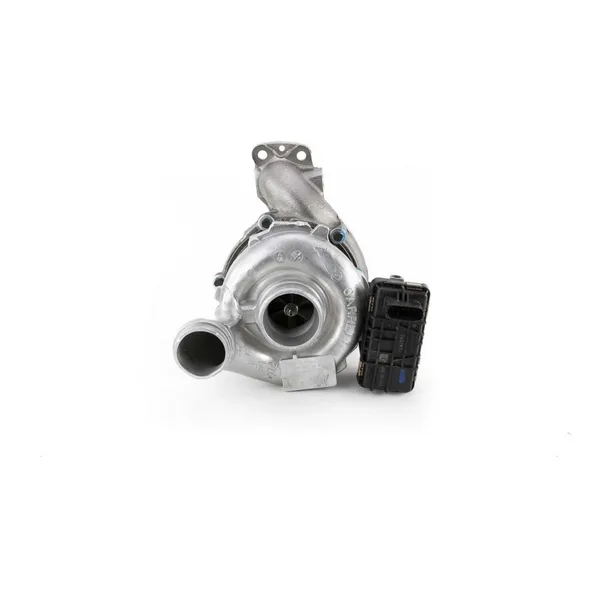
In stock
The MERCEDES Classe E (W212) 350 CDI 265 hp (195 kW diesel) is covered by 1 exchange-standard reference(s). Check output before displacement: it determines the part.
Engine specification: 2987 cm³, diesel, built since 03/2009. Matching part number: 794877-5009S (SL Turbo). Compare with the code stamped on your part.
Other engines of the MERCEDES Classe E (W212): 63 AMG 585 hp, E 63 585 hp, 63 AMG 558 hp. If the code stamped on your part is legible, search by reference remains the safest route. 24-month warranty.
Related categories
Frequently asked questions
About this category
The Mercedes-Benz OM642 350 CDI 265 hp turbo category addresses a critical need for reliable, cost-effective solutions when the original turbocharger fails due to wear, contamination, or mechanical fatigue. This range serves both professional mechanics seeking efficient repairs and vehicle owners performing their own maintenance, offering a balance between performance restoration and budgetary constraints. The turbos in this category are designed for direct replacement, eliminating the need for complex modifications or additional components.
This range is curated from a wholesale network of remanufacturers specializing in exchange standard turbos, where each unit undergoes a rigorous process to restore its original efficiency and durability. The selection prioritizes compatibility with the OM642 engine family, covering multiple model years and vehicle configurations, while ensuring consistent quality through standardized testing protocols. The role of the wholesaler here is to aggregate these high-grade remanufactured parts, providing garages and DIY enthusiasts with a streamlined procurement process that reduces downtime and operational costs.
Professional uses by trade
Different user profiles approach this category with distinct priorities: garages focus on turnaround speed and bulk availability, while DIY owners prioritize ease of installation and long-term reliability. Professional installers also consider compatibility with existing vehicle systems and the availability of supporting components like gaskets or oil lines.
- Le garagiste independant : Replace a failing turbo on a 2012 Mercedes-Benz R350 with a remanufactured unit to minimize shop downtime and maintain customer trust through consistent performance restoration.
- L'automobiliste depanne : Order a turbo for a 2008 Mercedes-Benz ML350 experiencing sudden power loss, ensuring the replacement matches the original specifications for seamless installation.
- Le passionne qui fait lui-meme : Source a turbocharger for a 2015 Mercedes-Benz GLK350 to perform the replacement at home, leveraging detailed compatibility data to avoid mismatched parts.
- Der deutsche Kaeufer (DACH) : Purchase a remanufactured turbo for a Mercedes-Benz 350 CDI with variable geometry, relying on the wholesaler’s expertise to confirm exact fitment before ordering.
- Le garagiste independant : Stock exchange standard turbos for the OM642 engine to handle emergency repairs efficiently, reducing lead times for customers with urgent vehicle needs.
- L'automobiliste depanne : Identify a compatible turbo for a 2010 Mercedes-Benz S350 by cross-referencing the vehicle’s engine code and model year with the wholesaler’s database.
- Der deutsche Kaeufer (DACH) : Select a turbocharger that includes all necessary mounting hardware, simplifying the installation process for a first-time DIY repair on a Mercedes-Benz Vito.
Range comparison
The following table presents the available turbos for the Mercedes-Benz OM642 350 CDI 265 hp, each listed with its exact reference and primary use case to guide selection based on vehicle model and installation requirements.
| Range | Use | Format |
|---|---|---|
| SL Turbo 794877-5009S | Emergency repair for S350 CDI 265 hp |
How to choose
Selecting the right turbo for the OM642 350 CDI 265 hp requires evaluating several key factors, including engine code compatibility, variable geometry functionality, and the presence of supporting components like oil lines or gaskets.
- Verify the engine code (OM642) and model year to ensure the turbo matches the vehicle’s exact specifications, avoiding mismatches that could lead to installation issues or performance problems.
- Check whether the turbo includes variable geometry components, as these systems require precise calibration to restore original engine behavior and prevent further damage.
- Assess the condition of the core deposit (old turbo) to determine if it meets the wholesaler’s return policy requirements, which often include a functional core for exchange standard transactions.
- Prioritize turbos that come with mounting hardware or gaskets, as these reduce the risk of leaks or misalignment during installation by third-party mechanics.
- Evaluate the remanufacturer’s reputation for consistency, as turbos from the same source should deliver similar performance and longevity across multiple installations.
- Consider the packaging and handling requirements, especially for bulk orders, to ensure the turbos arrive undamaged and ready for immediate use in a professional workshop setting.
- Review the return policy for defective units, as some wholesalers offer extended warranties or replacements to mitigate the risk of receiving a non-functional part.
Storage & logistics
For professional workshops, storing exchange standard turbos requires a controlled environment to prevent contamination or moisture damage, with separate bins for each engine family to avoid mix-ups. The turbos should be kept in their original packaging until installation to preserve the integrity of seals and gaskets, and regular inventory checks are essential to track usage and reorder levels. For DIY owners, storing a spare turbo in a dry, temperature-stable location reduces the risk of corrosion or seal degradation, while ensuring the core deposit (old turbo) is returned promptly to avoid additional fees. Wholesalers handling bulk orders must implement a first-in-first-out system to maintain freshness and reduce the likelihood of parts becoming obsolete before use, with clear labeling to distinguish between remanufactured and new units.
Since 2026, our team has processed hundreds of OM642 turbos, refining our selection to prioritize units that deliver consistent performance across diverse Mercedes-Benz models, ensuring every installation meets the high standards expected by both professionals and DIY enthusiasts.— autoKUR team
Related categories
Browse our other ranges:
Useful references
For regulatory and sector references, see Reglement (UE) 461/2010 — pieces de rechange et garantie constructeur.