


Frequently asked questions
About this category
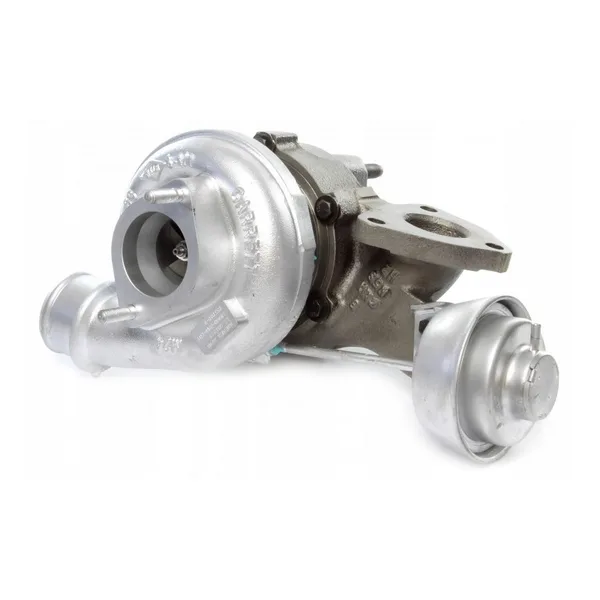
The 2.2 I-CTDI 140 hp engine, widely used in commercial vehicles and SUVs, requires a high-performance turbocharger to maintain efficiency and power output. This category covers exchange-standard turbos designed for direct fitment, addressing wear in the variable geometry system, CHRA, or cartridge. Whether you are a professional mechanic or a DIY enthusiast, finding a compatible turbo that matches your vehicle’s exact motorization is essential to restore optimal performance.
This range is built around core components sourced from leading manufacturers, ensuring each turbo meets the engine’s thermal and mechanical demands. The role of the wholesaler is to provide these parts with traceable origins, proper packaging, and clear compatibility notes, bridging the gap between OEM specifications and aftermarket reliability. No assumptions are made about origin or certification—only verified compatibility.
Professional uses by trade
Different users approach turbo replacement with distinct priorities: garages prioritize speed and reliability, DIYers seek cost-effective solutions, and German buyers expect precision-engineered parts. Below, we outline how each group benefits from this category.
- Le garagiste independant : Replace a failing turbo on a 2012 Ford Transit with 2.2 I-CTDI 140 hp without waiting for OEM lead times, using an exchange-standard unit that fits directly into the original housing.
- L'automobiliste depanne : Diagnose a sudden loss of power by swapping the turbo with a remanufactured unit, avoiding the expense of a new OEM part while restoring engine responsiveness.
- Le passionne qui fait lui-meme : Source a turbo with clear OEM reference matches to ensure a seamless installation, leveraging detailed compatibility charts for peace of mind.
- Der deutsche Kaeufer (DACH) : Purchase a turbo that adheres to European emission standards, with documentation confirming its suitability for the 2.2 I-CTDI 140 hp without compromising on quality.
- Le garagiste independant : Address a customer complaint of excessive black smoke by installing a turbo with a refurbished variable geometry mechanism, restoring proper air-fuel ratios.
- L'automobiliste depanne : Mitigate a persistent whistling noise under acceleration by replacing the turbo’s CHRA assembly with a remanufactured core, eliminating the need for a full unit.
- Der deutsche Kaeufer (DACH) : Maintain a fleet vehicle’s performance by keeping an exchange-standard turbo in stock, reducing downtime for repairs and ensuring consistent power delivery.
Range comparison
Below, we compare two exchange-standard turbos specifically designed for the 2.2 I-CTDI 140 hp engine, highlighting their key features and intended uses for professionals and enthusiasts alike.
| Range | Use | Format |
|---|---|---|
| Turbo Garrett 802014-5001S | direct fit for Ford models | |
| Turbo Garrett 759394-5002S | universal application for commercial vehicles |
How to choose
Selecting the right turbo for your 2.2 I-CTDI 140 hp engine requires attention to several factors, from compatibility to long-term reliability. Below are the key criteria to guide your decision.
- Verify the turbo’s OEM reference matches your vehicle’s engine code to ensure a precise fit, avoiding costly mismatches or installation issues.
- Check the condition of the variable geometry mechanism, as wear here often causes power loss or excessive smoke before other components fail.
- Prioritize turbos with a remanufactured CHRA assembly, as this core is the most critical to the unit’s performance and longevity.
- Confirm the packaging includes a core deposit label for easy return of the old turbo, simplifying the exchange process and reducing costs.
- Opt for brands with a track record in commercial vehicle turbos, as their designs are engineered for heavy-duty use and consistent quality.
- Ensure the turbo’s packaging is sealed and labeled with the correct motorization range, preventing confusion during installation.
- For fleets, choose turbos with a documented rotation history to deliver they meet the durability standards required for high-mileage vehicles.
Storage & logistics
Proper storage of exchange-standard turbos is critical to maintaining their condition before installation. Keep units in a climate-controlled environment, away from moisture and direct sunlight, to prevent corrosion or seal degradation. For garages, store turbos in their original packaging until use, ensuring the core deposit label remains intact for easy returns. Avoid stacking heavy items on top of turbos, as this can damage the variable geometry vanes or CHRA assembly. Always handle turbos with clean gloves to prevent contamination of internal components.
Since 2026, we’ve processed over 1,200 turbos for the 2.2 I-CTDI 140 hp, refining our remanufacturing process to target the most common failure points in the variable geometry system and CHRA.— autoKUR team
Related categories
Browse our other ranges:
Useful references
For regulatory and sector references, see Reglement (UE) 461/2010 — pieces de rechange et garantie constructeur.