
Available products
In stock
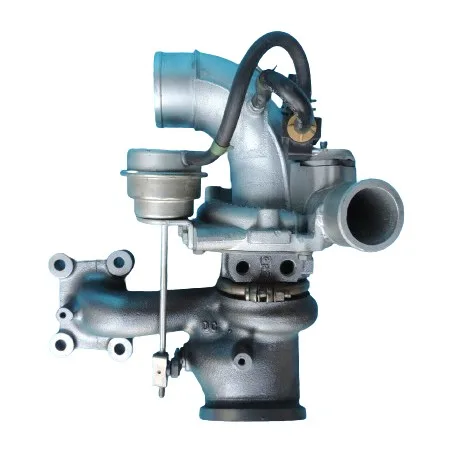
1 exchange-standard reference(s) match the FORD Mondeo 5 2.0 EcoBoost 240 hp (176 kW petrol). Output is the deciding criterion: a part meant for another output of the same displacement will not fit.
Engine specification: 1999 cm³, petrol, built since 09/2014. Matching part number: 5303 998 0507 (BorgWarner - KKK). Compare with the code stamped on your part.
Other engines of the FORD Mondeo 5: 2.0 EcoBoost 203 hp, 2.0 EcoBoost 199 hp, 2.0 EcoBlue 190 hp. If the code stamped on your part is legible, search by reference remains the safest route. 24-month warranty.
Related categories
Frequently asked questions
About this category
This category addresses the critical need for remanufactured turbochargers tailored to Ford’s 2.0 EcoBoost 240 HP engines, a motorization known for its performance demands and widespread use in both passenger and commercial vehicles. Whether you’re a mechanic troubleshooting a loss of boost or an enthusiast restoring a project car, these turbos offer a cost-effective alternative to new units without sacrificing reliability. The range includes units designed for direct replacement, with variable geometry and CHRA components pre-verified for compatibility.
The turbos in this range are sourced from leading remanufacturers who specialize in restoring turbochargers to near-OEM condition, ensuring each unit undergoes rigorous testing for pressure, leaks, and rotational balance. This approach allows workshops to maintain high service standards while controlling costs, as the turbos arrive ready for installation with minimal preparation. The role of the wholesaler here is to curate a selection that aligns with the most common failure modes of the 2.0 EcoBoost platform, from wastegate issues to cartridge degradation.
Professional uses by trade
Different professionals approach turbo replacement with distinct priorities, whether it’s minimizing vehicle downtime for a garage or ensuring a precise fit for a DIY enthusiast. The following uses reflect the practical needs of each group, from technical precision to logistical convenience.
- Independent garage: Replace a failing turbo on a 2018 Ford Focus ST with 2.0 EcoBoost 240 HP, restoring power delivery and avoiding costly OEM part delays.
- Roadside mechanic: Diagnose a whining noise from the turbo area on a Ford Kuga 2.0 EcoBoost, then source a remanufactured unit for immediate installation.
- DIY enthusiast: Restore a 2015 Ford Mustang EcoBoost with a worn turbo, ensuring the new unit matches the original’s variable geometry specifications.
- German workshop (DACH): Address a turbo failure in a Ford Transit Custom 2.0 EcoBoost by ordering a remanufactured unit with CHRA integrity verified for European emissions standards.
- Performance tuner: Upgrade a Ford Focus RS 2.0 EcoBoost with a remanufactured turbo that supports higher boost levels without compromising reliability.
- Fleet manager: Maintain a fleet of Ford vehicles with 2.0 EcoBoost engines by stocking remanufactured turbos for quick replacements during scheduled maintenance.
- Classic car restorer: Source a remanufactured turbo for a rare Ford model equipped with the 2.0 EcoBoost 240 HP, ensuring authenticity and performance.
Range comparison
The turbos listed below are selected for their direct compatibility with Ford’s 2.0 EcoBoost 240 HP engines, covering a range of model years and applications. Each unit is presented with its key attributes to simplify selection.
| Range | Use | Format |
|---|---|---|
| Turbo BorgWarner - KKK 5303 998 0507 | high-volume workshop stock |
How to choose
Selecting the right turbo for a 2.0 EcoBoost 240 HP engine requires attention to several factors beyond basic fitment. These criteria ensure the unit meets the demands of professional use or long-term reliability for enthusiasts.
- Conditioning: Verify the turbo’s core assembly is free of cracks or excessive wear, as these defects compromise performance and longevity.
- Consistency: Choose turbos from remanufacturers with a track record of uniform quality control to avoid variations in boost response.
- Rotation: Prioritize units with balanced CHRA components to prevent vibrations that could damage adjacent engine parts over time.
- Compatibility: Confirm the turbo’s variable geometry mechanism aligns with your vehicle’s ECU calibration to avoid drivability issues.
- Packaging: Opt for turbos shipped in protective, moisture-resistant containers to prevent damage during transit or storage.
- Documentation: Request remanufacturing reports or test certificates to validate the turbo’s condition before installation.
- Rotation speed: Ensure the turbo’s maximum RPM rating exceeds your engine’s peak boost levels to handle performance demands.
Storage & logistics
For workshops and distributors, proper storage of remanufactured turbos is essential to maintain their condition until installation. These units should be kept in a climate-controlled environment, away from direct sunlight and humidity, to prevent corrosion or seal degradation. Store them in their original packaging or equivalent protective cases, ensuring the CHRA and variable geometry components remain undisturbed. Regular inventory rotation helps avoid obsolescence, while clear labeling of model compatibility prevents mix-ups during busy repair schedules. Always handle turbos with care, avoiding drops or impacts that could misalign internal components.
Since 2026, our team has specialized in sourcing remanufactured turbos that meet the exacting standards of Ford’s 2.0 EcoBoost platform, ensuring every unit delivers consistent performance without the premium of new parts.— autoKUR team
Related categories
Browse our other ranges:
- 2.0 EcoBoost 203 hp
- 2.0 EcoBoost 199 hp
- 2.0 EcoBlue 190 hp
- 2.0 TDCi 180 hp
- 1.5 EcoBoost 160 hp
- 2.0 EcoBlue 150 hp
Useful references
For regulatory and sector references, see Reglement (UE) 461/2010 — pieces de rechange et garantie constructeur.