

Available products
3 references

Frequently asked questions
About this category
The 2.0 TDCi 130 hp turbo category serves a critical need in the automotive aftermarket, addressing the frequent failures of turbochargers in diesel engines of this specification. Whether you're a professional mechanic facing a breakdown or a car owner looking to avoid costly dealership repairs, this section provides the essential information to identify, source, and install a remanufactured turbo that meets the exact demands of your vehicle's powertrain. No guesswork, no unnecessary expenses—just a direct path to restoring your engine's performance.
This range is built around the principle of exchange standard, where a remanufactured turbo replaces a faulty unit while adhering to strict compatibility standards. The turbos listed here are sourced from specialized remanufacturers who disassemble, inspect, and rebuild each component to original equipment specifications, ensuring no compromise on quality. The role of the wholesaler in this process is to aggregate these high-standard products, providing garages and motorists with a single, reliable point of access to a solution that balances cost, availability, and performance.
Professional uses by trade
Different users approach the 2.0 TDCi 130 hp turbo exchange standard with distinct priorities, whether it's minimizing downtime, ensuring long-term reliability, or adhering to budget constraints. Garages rely on quick turnaround and bulk availability, while DIY enthusiasts seek clarity on installation and compatibility. This section breaks down the practical applications for each profile, ensuring the right solution is always within reach.
- Le garagiste independant : Replace a failing turbo on a Ford Transit with the 2.0 TDCi 130 hp engine before the vehicle returns to service, avoiding costly delays in workshop scheduling.
- L'automobiliste depanne : Order a remanufactured turbo for a Volvo V50 2.0 D with the same power output, ensuring the repair is completed without waiting for an OEM part.
- Le passionne qui fait lui-meme : Source a turbo that matches the exact specifications of a Ford Focus 2.0 TDCi 130 hp, including geometric variable geometry calibration, for a self-installed repair.
- Der deutsche Kaeufer (DACH) : Purchase a turbo for a Ford Mondeo 2.0 TDCi 130 hp with core deposit included, simplifying the return of the old unit while ensuring compliance with German aftermarket standards.
- Le garagiste independant : Use the exchange standard process to offer customers a lower-cost alternative to new turbos, maintaining workshop profitability without sacrificing quality.
- L'automobiliste depanne : Find a turbo that addresses common symptoms like loss of power or excessive smoke, restoring the vehicle’s original performance levels quickly.
- Le passionne qui fait lui-meme : Access detailed compatibility lists to confirm the turbo’s fitment for a specific model year and engine variant, avoiding mismatched purchases.
Range comparison
The turbos listed in this category are selected for their direct compatibility with the 2.0 TDCi 130 hp engine across multiple vehicle models. Each unit undergoes remanufacturing to meet the original equipment manufacturer’s standards, ensuring no compromise on performance or longevity. Below, you’ll find the available options, their intended uses, and the formats in which they are supplied to streamline your procurement process.
| Range | Use | Format |
|---|---|---|
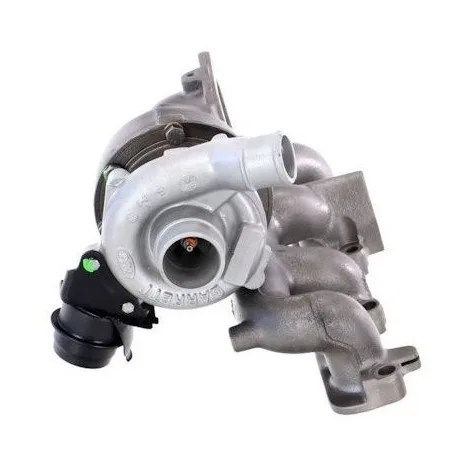
| SL Turbo 760774-5003S | suitable for commercial vehicles |
How to choose
Selecting the right turbo for the 2.0 TDCi 130 hp requires attention to several key factors beyond basic compatibility. The condition of the remanufactured unit, its packaging for safe transit, and the availability of core deposit options all play a role in ensuring a smooth transaction. This section outlines the critical criteria to evaluate before making a purchase, helping you avoid common pitfalls in the aftermarket.
- Prioritize turbos with a remanufactured CHRA to ensure the core components meet original equipment standards, avoiding premature failures in service.
- Check the packaging for protective seals and anti-corrosion measures to deliver the turbo arrives in optimal condition, especially for long-distance shipping.
- Verify the core deposit policy to simplify the return of your old turbo, reducing upfront costs and streamlining the exchange process.
- Confirm the geometric variable geometry calibration matches your engine’s specifications, as mismatches can lead to performance issues or further damage.
- Opt for suppliers with a consistent rotation of stock to avoid delays caused by backorders or discontinued models in the aftermarket.
- Assess the conditioning of the turbo—whether it’s a complete CHRA or a cartridge assembly—to align with your repair workflow and tooling requirements.
- Evaluate the wholesale pricing structure to ensure the exchange standard option provides a genuine cost advantage over new or OEM parts.
Storage & logistics
Proper storage of remanufactured turbos for the 2.0 TDCi 130 hp is essential to maintain their condition before installation. Keep units in a temperature-controlled environment away from moisture and direct sunlight, as extreme conditions can degrade seals and bearings over time. For garages and workshops, using ventilated shelving prevents dust accumulation on critical components like the variable geometry mechanism. Always store turbos in their original packaging or equivalent protective casing to avoid physical damage during handling. Label each unit clearly with its model and compatibility details to streamline inventory management. For long-term storage, consider using desiccant packs inside sealed containers to mitigate humidity risks. Regularly rotate stock to ensure older units are used first, adhering to the FIFO principle to maintain freshness and reliability.
With over a decade of experience in remanufacturing turbos for the 2.0 TDCi 130 hp, our team has seen firsthand how a well-calibrated exchange standard unit can restore a vehicle’s performance without the premium of an OEM part. We’ve refined our processes to ensure every turbo leaving our facility meets the same standards as a new unit, giving garages and motorists alike the confidence to proceed with repairs.— autoKUR team
Related categories
Browse our other ranges:
Useful references
For regulatory and sector references, see Reglement (UE) 461/2010 — pieces de rechange et garantie constructeur.