

Available products
3 references

Frequently asked questions
About this category
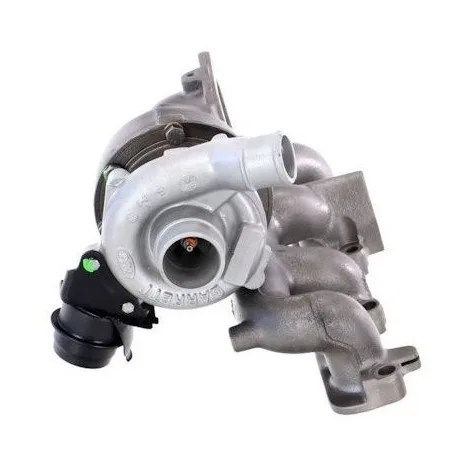
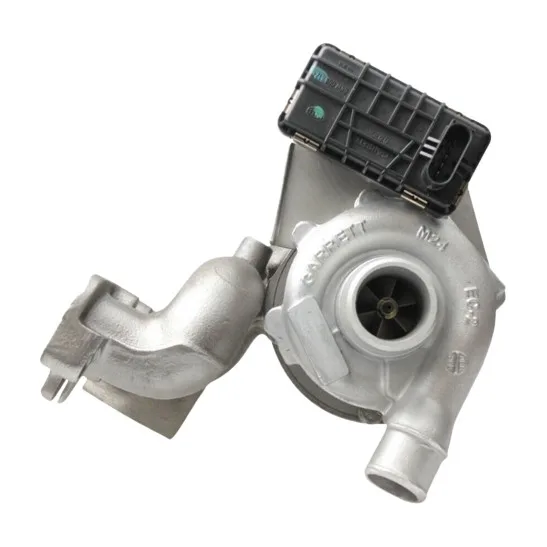
The 2.0 TDCi 136 hp turbocharger category serves a diverse audience, from independent mechanics and automotive repair shops to diesel enthusiasts and vehicle owners who prefer handling their own maintenance. This range includes remanufactured turbos designed to restore lost power, reduce smoke emissions, and eliminate the telltale whistling or surging symptoms of a failing unit. Each turbo in this category is engineered to match the original specifications of the engine, ensuring seamless integration without the need for custom modifications or costly adjustments.
The turbos listed here are sourced from specialized remanufacturers who disassemble, inspect, and rebuild each unit to OEM standards, replacing worn components like the CHRA (Center Housing Rotating Assembly) and variable geometry mechanisms. This process is overseen by wholesalers who aggregate these high-quality parts, providing garages and consumers with a streamlined supply chain that bypasses the inefficiencies of traditional OEM channels. The result is a cost-effective solution that maintains the performance and reliability expected from a factory-fitted turbo.
Professional uses by trade
Different users approach turbocharger replacement with distinct priorities, whether it’s the mechanic seeking efficiency, the DIY owner prioritizing cost savings, or the German buyer navigating local regulations and warranty expectations. This section outlines how each group can leverage this category to address their specific needs while ensuring long-term performance.
- Le garagiste independant : Replace a failing turbo on a Ford Transit or Volvo V70 with a remanufactured Garrett 714467-5014S, minimizing downtime while maintaining customer trust through consistent quality.
- L'automobiliste depanne : Diagnose a loss of power or excessive black smoke in a 2012 Ford Focus 2.0 TDCi by sourcing a SL Turbo 760774-5003S, a direct-fit solution that restores engine responsiveness without professional installation.
- Le passionne qui fait lui-meme : Swap out a worn turbocharger in a Ford Mondeo 2.0 TDCi by selecting a Garrett 728680-5020S, ensuring the new unit matches the original geometry and boost levels for seamless performance.
- Der deutsche Kaeufer (DACH) : Address a turbo failure in a Volvo S60 2.0 D4 by ordering a Garrett 714467-5014S, leveraging the German market’s preference for remanufactured parts that comply with local emissions standards.
- Le garagiste independant : Restore a Volvo XC60 2.0 D4 to full power by installing a SL Turbo 760774-5003S, a solution that avoids the delays and costs associated with OEM part sourcing.
- L'automobiliste depanne : Resolve a persistent whistling noise under the hood of a Ford Galaxy 2.0 TDCi by replacing the turbo with a Garrett 728680-5020S, a straightforward fix that eliminates the need for costly diagnostics.
- Der deutsche Kaeufer (DACH) : Maintain a fleet of Ford Transit vans by stocking Garrett 714467-5014S turbos, ensuring quick replacements and reducing the risk of extended vehicle downtime during busy periods.
Range comparison
The turbos listed below are verified replacements for the 2.0 TDCi 136 hp engine, each selected for its compatibility with specific vehicle models and remanufacturing standards. This table compares key attributes to help you identify the right turbo for your needs, whether you’re a professional or a hands-on owner.
| Range | Use | Format |
|---|---|---|
| Turbo Garrett 714467-5014S | Ford Transit, Volvo V70 | |
| Turbo Garrett 728680-5020S | Ford Mondeo, Ford Focus | |
| SL Turbo 760774-5003S | Volvo S60, Volvo XC60 |
How to choose
Selecting the right turbo for your 2.0 TDCi 136 hp engine requires attention to compatibility, remanufacturing quality, and logistical considerations. This section outlines the critical factors to evaluate, from OEM reference matching to packaging and storage conditions, ensuring you make an informed decision.
- Verify the OEM reference or engine code of your vehicle to confirm the turbo’s compatibility, as mismatched turbos can lead to performance issues or premature failure.
- Prioritize turbos with a remanufactured CHRA and variable geometry components, as these are the most common failure points in high-mileage diesel engines.
- Check the packaging for protective seals and anti-corrosion treatments, which indicate the turbo has been stored in optimal conditions before delivery.
- Assess the rotation direction and boost levels of the turbo to ensure it aligns with your engine’s original specifications, avoiding mismatches in airflow dynamics.
- Evaluate the availability of core deposit options, which allow you to return your old turbo for a partial refund, reducing the overall cost of replacement.
- Consider the warranty terms offered by the wholesaler, as longer warranties often reflect higher confidence in the turbo’s remanufacturing quality and durability.
- Review the distributor’s return policy for defective units, ensuring you have recourse if the turbo fails prematurely or arrives damaged.
Storage & logistics
Proper storage of exchange standard turbos is essential to maintain their performance and longevity, especially in B2B environments where parts may sit in inventory for extended periods. Store turbos in a climate-controlled environment with low humidity to prevent corrosion, and keep them in their original packaging or sealed plastic wraps to avoid contamination. Avoid stacking turbos directly on top of each other, as this can damage the compressor or turbine wheels, and use padded racks or dividers to separate units. Regularly inspect stored turbos for signs of moisture or dust accumulation, and rotate inventory to ensure older units are used first, adhering to a first-in, first-out (FIFO) system. For garages and wholesalers, labeling each turbo with its reference number and installation date helps track usage and prevent mix-ups during busy periods.
With over 15 years in the turbocharger remanufacturing industry, our team has seen how a single faulty turbo can disrupt a mechanic’s schedule or leave a car owner stranded. We’ve built this category to provide peace of mind, ensuring every Garrett and SL Turbo meets the same standards we’ve applied to our legacy products since 2026.— autoKUR team
Related categories
Browse our other ranges:
Useful references
For regulatory and sector references, see Reglement (UE) 461/2010 — pieces de rechange et garantie constructeur.