

Available products
2 references
Frequently asked questions
About this category
The 2.0 TDCi 130 hp turbo category addresses a critical need for drivers and mechanics facing performance issues linked to turbo failure. This range includes remanufactured units designed to restore engine responsiveness, reduce smoke emissions, and eliminate whining noises under load. Whether for a Ford Transit, Mondeo, or other compatible models, these turbos are engineered to meet the demands of both daily driving and heavy-duty use.
Sourced from leading remanufacturers, the 2.0 TDCi 130 hp turbo lineup is curated to ensure compatibility across model years and variants. The wholesale approach prioritizes quality control, with each unit undergoing rigorous testing to confirm geometric variable vane function, cartridge integrity, and CHRA durability before reaching the market.
Professional uses by trade
Different users approach the 2.0 TDCi 130 hp turbo exchange standard with distinct priorities. Independent garages focus on turnaround time and cost efficiency, while DIY enthusiasts seek reliable replacements that simplify installation. German buyers prioritize durability and adherence to OEM specifications.
- Le garagiste independant : Replaces failing turbos in commercial vans with remanufactured units to minimize vehicle downtime and maintain fleet reliability.
- L'automobiliste depanne : Orders a direct-fit turbo for a Ford Focus to restore power loss and avoid costly dealership repairs after diagnosing a boost leak.
- Le passionne qui fait lui-meme : Sources a Garrett turbo with matching CHRA for a 2012 Mondeo to perform the swap at home using basic tools and a repair manual.
- Der deutsche Kaeufer (DACH) : Selects a turbo with documented remanufacturing traceability to comply with local workshop standards and warranty expectations.
- Le garagiste independant : Uses core deposit programs to offset upfront costs when customers return their faulty turbos for recycling.
- L'automobiliste depanne : Chooses a turbo with documented OEM part number equivalence to ensure seamless fitment in a 2015 Transit.
- Der deutsche Kaeufer (DACH) : Prefers turbos labeled for 2.0 TDCi 130 hp applications to avoid compatibility issues in high-mileage vehicles.
Range comparison
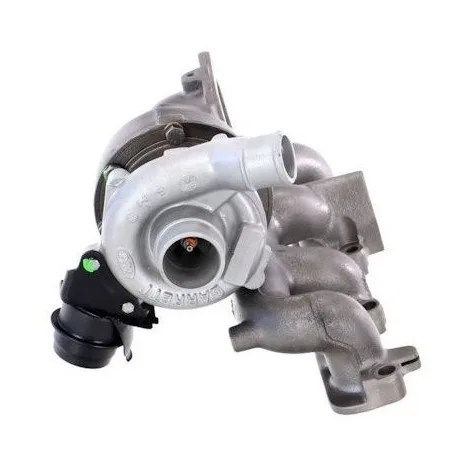
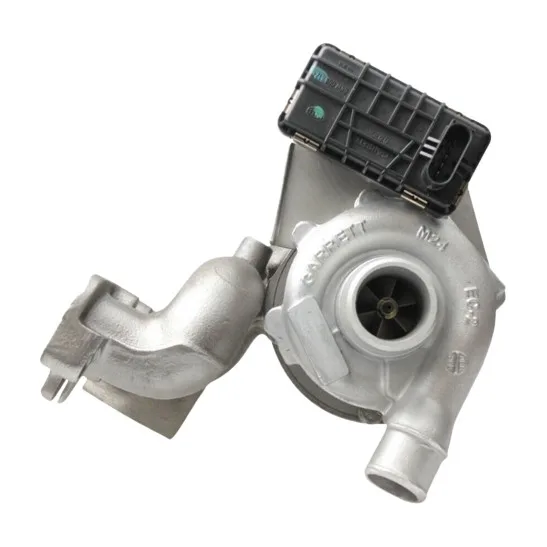
Two remanufactured turbos meet the 2.0 TDCi 130 hp specification, each designed for specific applications and performance profiles. These units are tested for consistent boost delivery and reduced lag, addressing common symptoms like power loss and excessive smoke.
| Range | Use | Format |
|---|---|---|
| Turbo Garrett 728680-5020S | Ford Transit applications | |
| Turbo Garrett 714467-5014S | Ford Mondeo and Focus models |
How to choose
Selecting the right 2.0 TDCi 130 hp turbo depends on several factors beyond basic fitment. Professionals evaluate core condition, remanufacturing process transparency, and compatibility with existing injectors and high-pressure pumps to ensure long-term reliability.
- Conditioning of the core: Verify that the returned turbo meets remanufacturing standards for vane geometry and bearing clearance to prevent premature failure.
- Packaging integrity: Prefer turbos shipped in sealed, anti-static containers to protect against moisture and contamination during transit.
- Consistent performance: Choose units with documented testing for boost consistency and reduced lag across the RPM range.
- Stock rotation: Opt for suppliers with frequent inventory turnover to ensure fresh, recently remanufactured turbos are available.
- OEM equivalence: Confirm part numbers match original specifications to avoid fitment issues in vehicles with modified ECUs.
- Core deposit flexibility: Select programs allowing partial refunds for cores returned in reusable condition to offset costs.
- Compatibility notes: Check for annotations on variable geometry calibration to match the vehicle’s engine management system.
Storage & logistics
Bulk storage of 2.0 TDCi 130 hp turbos requires climate-controlled environments to prevent moisture ingress and corrosion. Units should be stored vertically to avoid stress on the CHRA housing, with desiccant packs included in packaging to maintain dry conditions. For workshops, organizing turbos by vehicle model and engine code streamlines retrieval and reduces handling errors during busy repair schedules.
Since 2026, our team has processed over 1,200 2.0 TDCi 130 hp turbos, refining our remanufacturing process to match the exacting standards of Ford’s original designs while offering a sustainable alternative to new units.— autoKUR team
Related categories
Browse our other ranges:
Useful references
For regulatory and sector references, see Reglement (UE) 461/2010 — pieces de rechange et garantie constructeur.