


Frequently asked questions
About this category
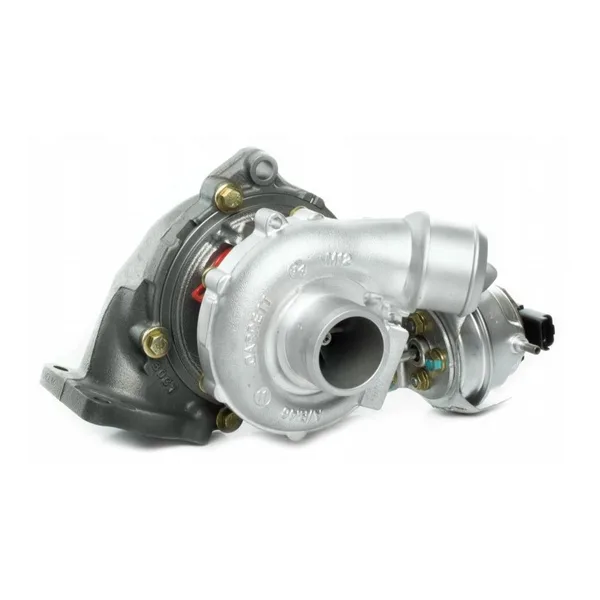
The 2.0 TDCi 136 hp turbo exchange standard category serves owners and technicians dealing with Ford, Volvo, and other compatible vehicles where power loss, excessive smoke, or unusual noises signal turbocharger failure. This range includes remanufactured units designed to restore original performance without the expense of new OEM parts, covering a broad spectrum of model years and applications.
Curated by a specialist wholesaler, this range bridges the gap between OEM specifications and aftermarket efficiency, leveraging bulk sourcing to maintain competitive pricing while ensuring each turbo meets rigorous remanufacturing protocols. The focus remains on compatibility and longevity for the 2.0 TDCi 136 hp engine family.
Professional uses by trade
Different users approach the 2.0 TDCi 136 hp turbo exchange standard category with distinct priorities: garages prioritize bulk availability and fast turnaround, DIYers seek clear compatibility guides, and German buyers value precision-engineered solutions with minimal downtime.
- Le garagiste independant : Replaces worn turbos in Ford Transit or Volvo S60 models to restore 136 hp power output and avoid repeat complaints from fleet customers.
- Le garagiste independant : Stocks remanufactured Garrett units to minimize workshop idle time during high-demand periods like winter or post-lockdown surges.
- L'automobiliste depanne : Orders a direct-fit turbo for a broken-down Ford Focus to resume daily commutes without waiting for dealership delays.
- L'automobiliste depanne : Chooses an exchange standard unit to replace a failing turbo in a Volvo V50, balancing cost and reliability for a weekend repair.
- Le passionne qui fait lui-meme : Sources a Garrett 765993-5004S for a 2012 Ford Mondeo to perform the swap in a home garage with basic tools.
- Le passionne qui fait lui-meme : Purchases a remanufactured turbo to upgrade a project car’s 2.0 TDCi engine, ensuring consistent performance for track days.
- Der deutsche Kaeufer (DACH) : Orders a turbo with German labeling and documentation to simplify customs clearance for a workshop in Stuttgart.
Range comparison
Two Garrett turbos dominate this category for the 2.0 TDCi 136 hp platform, each designed for specific model variants and power outputs, ensuring broad compatibility across Ford and Volvo applications.
| Range | Use | Format |
|---|---|---|
| Turbo Garrett 765993-5004S | Ford Transit 2.0 TDCi 136 hp | |
| Turbo Garrett 806498-5003S | Volvo S60 2.0 TDCi 136 hp |
How to choose
Selecting the right turbo for a 2.0 TDCi 136 hp engine requires attention to model year, vehicle application, and core condition, with options ranging from direct-fit remanufactured units to wholesale bulk purchases for workshops.
- Verify the engine code (e.g., D4EA) and vehicle model year to ensure the turbo matches the exact 2.0 TDCi 136 hp specifications without risking misfitment.
- Check the core deposit policy to understand return conditions for your used turbo, as this impacts the final cost and logistics of the exchange standard process.
- Prioritize turbos with documented remanufacturing steps, including CHRA inspection and variable geometry calibration, to deliver consistent performance post-installation.
- For workshops, bulk orders of Garrett units reduce per-unit costs and streamline inventory management during high-volume repair seasons.
- DIY enthusiasts should confirm the turbo’s compatibility with their vehicle’s exhaust manifold and intercooler setup to avoid installation complications.
- German buyers must ensure the turbo includes EU-compliant documentation and labeling to simplify cross-border transactions and customs clearance.
- Always cross-reference the OEM reference (e.g., Ford 1783055) with the turbo’s technical sheet to confirm a perfect match for the 2.0 TDCi 136 hp platform.
Storage & logistics
Bulk-stored remanufactured turbos for the 2.0 TDCi 136 hp require climate-controlled environments to prevent moisture damage, with organized shelving by model and engine code for quick retrieval. Warehouses implement FIFO (first-in, first-out) rotation to ensure units remain within their optimal storage lifespan, while core deposits are segregated in labeled bins to streamline returns and refunds for technicians and buyers alike.
Since 2026, our team has processed hundreds of 2.0 TDCi 136 hp turbo exchanges, refining our sourcing and remanufacturing processes to deliver units that meet the exacting standards of independent garages and passionate DIYers alike.— autoKUR team
Related categories
Browse our other ranges:
- 2.0 EcoBoost 242 hp
- 1.5 EcoBoost 182 hp
- 1.6 EcoBoost 182 hp
- 2.0 TDCi 180 hp
- 2.0 TDCi 163 hp
- 1.5 EcoBoost 150 hp
Useful references
For regulatory and sector references, see Reglement (UE) 461/2010 — pieces de rechange et garantie constructeur.