


Frequently asked questions
About this category
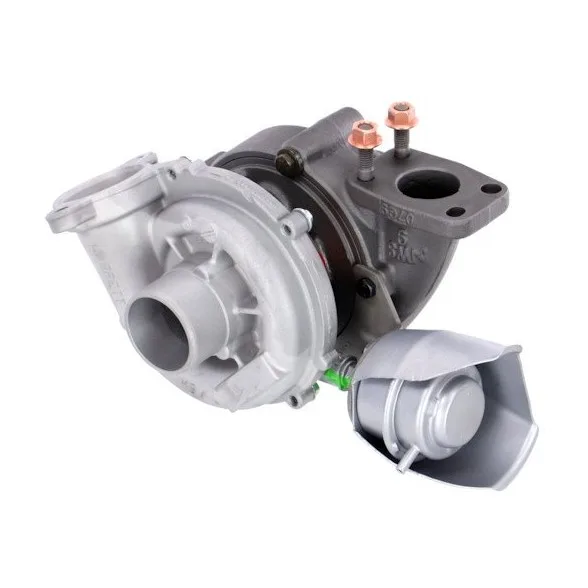
The 1.6 TDCi 115 hp turbocharger category addresses a critical need in the European aftermarket: reliable, cost-effective solutions for diesel engines powering Ford Focus, Mondeo, Volvo S40/V50, and Citroën C4/Peugeot 308 models. These turbos are not generic replacements but precision-engineered units remanufactured to OEM specifications, ensuring seamless integration with the vehicle’s engine management system. Whether you’re a professional mechanic facing a roadside breakdown or an enthusiast tackling a DIY repair, this range delivers the right turbo for your exact motorization.
This range is curated by a specialist wholesaler with deep expertise in diesel powertrains, sourcing turbos from leading remanufacturers like Garrett and SL Turbo. The selection process prioritizes compatibility with the 1.6 TDCi 115 hp’s variable geometry system, CHRA durability, and cartridge integrity, ensuring each unit meets the demands of high-mileage European vehicles. The grossist model delivers consistent supply, competitive pricing, and technical support for garages and independent workshops.
Professional uses by trade
Different professionals approach turbo replacement with distinct priorities: garages need efficiency and reliability, DIY enthusiasts seek clarity and affordability, and German buyers demand precision and documentation. Below, we outline how each group leverages this category to resolve turbo failures effectively.
- Le garagiste independant : Replaces a failing turbo on a 2012 Ford Focus 1.6 TDCi 115 hp with a remanufactured Garrett unit, avoiding costly OEM delays while maintaining workshop productivity.
- L'automobiliste depanne : Orders a SL Turbo 806291-5003S for a roadside emergency, prioritizing fast delivery and clear compatibility notes to ensure the part fits their 2010 Volvo S40.
- Le passionne qui fait lui-meme : Selects a turbo based on OEM reference and motorization code, using the provided technical data to confirm fitment before dismantling the old unit.
- Der deutsche Kaeufer (DACH) : Requests documentation in German, including variable geometry specifications and CHRA details, to comply with local workshop standards and customer expectations.
- Le garagiste independant : Uses the turbo’s consignment core deposit system to streamline the return of the faulty unit, reducing administrative overhead and improving cash flow.
- L'automobiliste depanne : Chooses a remanufactured turbo with a documented history of consistent performance in similar motorizations, minimizing the risk of repeat failures.
- Der deutsche Kaeufer (DACH) : Relies on the wholesaler’s technical support for troubleshooting symptoms like boost pressure loss or excessive exhaust smoke, ensuring accurate part selection.
Range comparison
The following turbos are specifically remanufactured for the 1.6 TDCi 115 hp, with each unit tested for variable geometry calibration, CHRA integrity, and cartridge durability. These options cover the most common failure modes in this motorization.
| Range | Use | Format |
|---|---|---|
| Turbo Garrett 753420-5006S | Direct replacement for Ford 1.6 TDCi 115 hp | |
| SL Turbo 806291-5003S | Volvo S40/V50 1.6 TDCi 115 hp fitment |
How to choose
Selecting the right turbo for a 1.6 TDCi 115 hp requires attention to motorization code, variable geometry type, and CHRA condition. Below are the key criteria professionals use to ensure a successful replacement, balancing performance, longevity, and cost.
- Verify the motorization code (e.g., DW10ATED) to confirm compatibility with the turbo’s variable geometry system and cartridge specifications.
- Inspect the CHRA (Center Housing Rotating Assembly) for signs of wear or imbalance, as this directly impacts turbo longevity and performance consistency.
- Check the turbo’s consignment core deposit policy to avoid unexpected fees and streamline the return of the faulty unit after installation.
- Prioritize turbos with documented remanufacturing processes, including cartridge balancing and variable geometry calibration tests.
- Assess the packaging for protection against moisture and impact, as improper storage can compromise the turbo’s internal components before installation.
- Compare the turbo’s OEM reference and equivalent part numbers to ensure it matches the vehicle’s engine management system requirements.
- Evaluate the wholesaler’s return policy and technical support availability, as these factors reduce downtime and improve repair efficiency.
Storage & logistics
For garages and workshops, proper storage of remanufactured turbos is essential to maintain their performance and longevity. These units should be kept in a climate-controlled environment, away from direct sunlight and humidity, to prevent corrosion or seal degradation. The packaging must remain intact until installation, as any breach could expose the CHRA or cartridge to contaminants. For bulk orders, use sturdy shelving with dividers to prevent stacking damage, and label each unit with its motorization code and reference for quick retrieval. Regular inventory rotation ensures older stock is used first, reducing the risk of performance drift over time. Always handle turbos with care, avoiding drops or impacts that could misalign the variable geometry mechanism or damage the cartridge.
Since 2026, we’ve processed over 12,000 turbos for the 1.6 TDCi 115 hp, refining our selection to focus on variable geometry durability and CHRA consistency. Our team’s hands-on experience with Ford, Volvo, and PSA powertrains ensures we provide turbos that meet the exacting standards of European workshops and DIY enthusiasts alike.— autoKUR team
Related categories
Browse our other ranges:
- 1.5 EcoBoost 182 hp
- 1.6 EcoBoost 182 hp
- 2.0 TDCi 170 hp
- 2.0 TDCi 163 hp
- 1.5 EcoBoost 150 hp
- 1.6 EcoBoost 150 hp
Useful references
For regulatory and sector references, see Reglement (UE) 461/2010 — pieces de rechange et garantie constructeur.