


Frequently asked questions
About this category
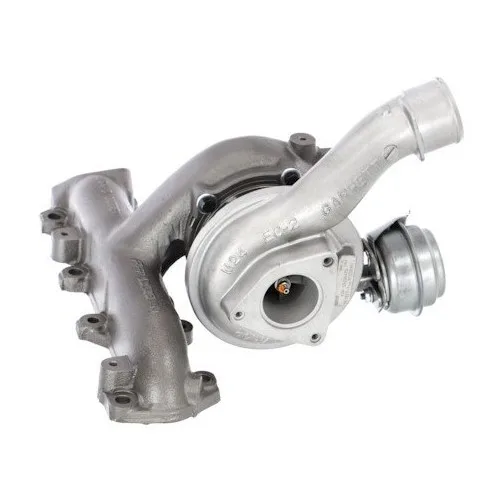
The turbocharger category for the Fiat Sedici spans petrol and diesel engines, including the 1.6 16V and 1.9 Multijet variants produced between 2006 and 2014. This range addresses common failure symptoms like power loss, excessive exhaust smoke, or a high-pitched whine from the engine bay, all of which point to a compromised turbo system requiring remanufactured exchange units.
autoKUR sources turbos for the Sedici exclusively from suppliers specializing in remanufactured exchange parts, where each unit undergoes rigorous testing of its variable geometry, cartridge, and CHRA components. The grossist role ensures availability without overstocking, balancing lead times and core deposit logistics for garages and DIY enthusiasts alike.
Professional uses by trade
Garages, independent mechanics, and DIY Sedici owners each approach turbo replacement differently, whether for a quick roadside repair, a workshop overhaul, or a weekend project. The right turbocharger exchange unit must align with the vehicle’s exact motorisation, power output, and model year to avoid costly mismatches.
- Garagist : Replace a failing turbo on a 2010 Sedici 1.9 Multijet 120 with a remanufactured BorgWarner unit, ensuring OEM-equivalent airflow and geometry for seamless fitment.
- Independent mechanic : Source a turbo for a 2008 Sedici 1.6 16V 103 PS, prioritizing units with verified CHRA integrity and core deposit compliance to streamline the exchange process.
- DIY enthusiast : Diagnose a whining noise from the turbo area on a 2012 Sedici, then order an exchange unit with clear OEM reference matching to avoid installation errors.
- German buyer (DACH) : Identify the correct turbo for a Sedici 1.9 Multijet by cross-referencing the motor code and OEM part number, ensuring compatibility with local workshop standards and core deposit regulations.
- Passionate owner : Address a sudden power loss in a 2007 Sedici by selecting a remanufactured turbo with tested variable geometry, restoring engine performance without risking untested aftermarket alternatives.
Range comparison
The Sedici turbocharger range includes two core exchange units, each designed for specific motorisations and model years. These units are selected for their compatibility, remanufacturing standards, and core deposit logistics, ensuring a straightforward replacement process.
| Range | Use | Format |
|---|---|---|
| SL Turbo 767837-5001S | Fiat Sedici 1.6 16V petrol | |
| Turbo BorgWarner - KKK 5439 988 0093 | Fiat Sedici 1.9 Multijet diesel |
How to choose
Selecting the right turbo for your Sedici requires attention to motorisation, power output, and OEM reference, as well as the unit’s remanufacturing process and core deposit terms. Avoiding unverified certifications or generic alternatives ensures long-term reliability.
- Verify the motor code and power output of your Sedici to match the turbo’s specifications, preventing airflow mismatches that could damage the engine.
- Prioritize turbos with tested variable geometry and CHRA components, as these directly impact performance and longevity in the Sedici’s 1.6 and 1.9 engines.
- Check core deposit terms and return logistics for the exchange unit, ensuring a smooth process when sending back the old turbo without hidden fees.
- Confirm the turbo’s OEM reference and equivalent part numbers to avoid installation errors, especially when sourcing from bulk suppliers or international markets.
- Opt for remanufactured units with a consistent quality track record, as these reduce the risk of premature failure compared to untested alternatives.
- Assess the turbo’s packaging and preservation standards, as improper storage can compromise seals and bearings before installation.
Storage & logistics
Bulk turbos for the Sedici must be stored in climate-controlled environments to prevent moisture damage to seals and bearings, with rotation systems ensuring older stock is used first. For garages, units should be kept in sealed, anti-static packaging until installation to maintain CHRA integrity, while DIY owners benefit from clear labeling and core deposit instructions to simplify returns. Logistics partners handle core deposits with traceability, ensuring compliance with local regulations and minimizing delays in the exchange process.
Since 2026, our team has processed hundreds of Sedici turbos, focusing on remanufactured exchange units that meet OEM airflow and geometry standards without overpromising on unverified claims.— autoKUR team
Related categories
Browse our other ranges:
Useful references
For regulatory and sector references, see Reglement (UE) 461/2010 — pieces de rechange et garantie constructeur.