

Available products
2 references
Frequently asked questions
About this category
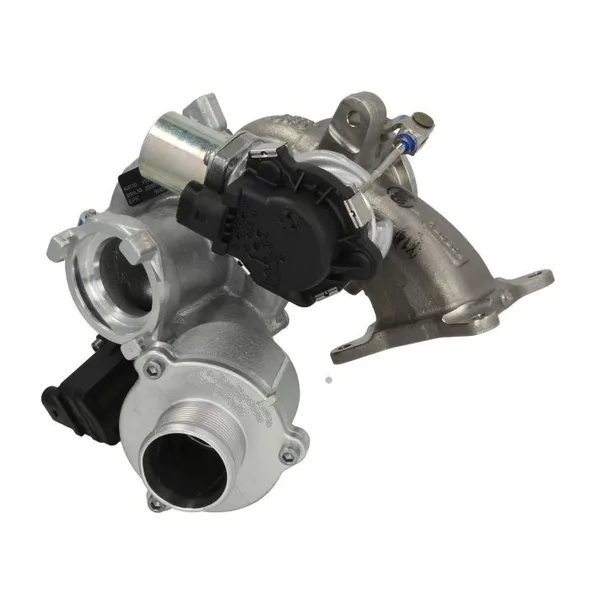
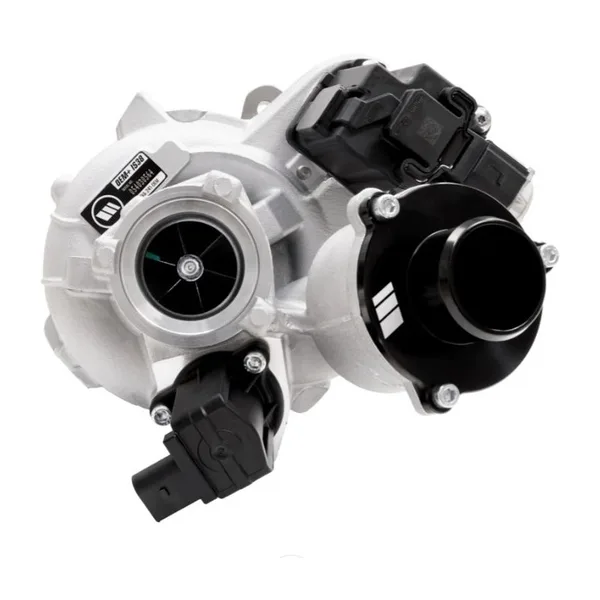
The 2.0 TFSI 310 hp turbo exchange standard category serves Audi, Volkswagen, and Porsche owners—whether they’re diagnosing a sudden power drop, blue smoke from the exhaust, or a high-pitched turbo whine—by providing remanufactured turbocompressors designed for direct fitment. This range targets both DIY enthusiasts tackling repairs at home and professional garages managing high-volume orders, with solutions that prioritize durability and precision over generic aftermarket alternatives.
Curated for compatibility, this category aggregates turbos from specialized remanufacturers, ensuring each unit undergoes rigorous testing to meet original equipment standards. The role of the wholesaler here is critical: sourcing from trusted suppliers to offer a streamlined selection that reduces downtime for mechanics while providing cost-effective options for private owners seeking reliable replacements.
Professional uses by trade
Different users approach this category with distinct needs: garages prioritize bulk availability and traceability, DIYers seek clear compatibility guides, and German buyers demand documentation in their language. Below, we outline how each group benefits from this specialized range.
- Le garagiste independant : Uses remanufactured turbos like the SL Turbo 9VA05 to minimize vehicle downtime during repairs, ensuring the replacement matches the exact motorization code without costly trial-and-error.
- L'automobiliste depanne : Relies on turbos from this category to restore engine performance after detecting symptoms like sudden power loss or excessive exhaust smoke, often without needing a professional diagnosis.
- Le passionne qui fait lui-meme : Selects turbos based on detailed compatibility lists to perform repairs at home, avoiding the expense of dealership visits while ensuring the part fits their specific 2.0 TFSI 310 hp engine.
- Der deutsche Kaeufer (DACH) : Prefers turbos with German-language documentation and clear return policies for core deposits, ensuring compliance with local automotive repair standards and ease of communication.
Range comparison
Below, we compare the two turbos available in this category, highlighting their intended uses, formats, and key considerations for selection. Each option is designed to address the same core issue—restoring lost power or eliminating turbo-related noises—but with differences in application and handling.
| Range | Use | Format |
|---|---|---|
| SL Turbo 9VA05 | High-flow turbo for performance tuning | |
| Turbo IHI IS38 | Direct-fit replacement for stock turbos |
How to choose
Selecting the right turbo for a 2.0 TFSI 310 hp engine requires evaluating several factors beyond just compatibility. Below, we outline the key criteria that distinguish one option from another, ensuring your choice aligns with your repair goals.
- Conditioning: Opt for turbos labeled as 'generalüberholt' or 'werksüberholt' to ensure they meet original equipment performance standards without hidden defects.
- Conservation: Prioritize units stored in climate-controlled environments to prevent moisture damage or corrosion, which can compromise long-term reliability.
- Regularity: Choose suppliers with consistent stock rotation to avoid delays caused by obsolete or hard-to-find references.
- Rotation: Select turbos with documented service history to verify they’ve undergone professional remanufacturing processes.
- Compatibility: Confirm the turbo matches not just the motorization code but also the vehicle’s model year and power output to avoid mismatches.
- Documentation: Ensure the supplier provides clear motorization codes and OEM reference cross-references for seamless integration.
- Return policy: Verify the core deposit terms and return procedures for faulty units to protect your investment during the repair process.
Storage & logistics
For garages and wholesalers, proper storage of remanufactured turbos is critical to maintaining their condition before installation. Units should be kept in a dry, temperature-controlled environment away from direct sunlight and contaminants like dust or oil residues. Palletized storage with protective wrapping prevents moisture ingress, while organized shelving by motorization code streamlines order fulfillment. Regular inventory audits ensure no part exceeds its recommended shelf life, reducing the risk of performance degradation before use.
With over a decade of sourcing turbos for European workshops, our team has refined the process of matching remanufactured units to exact motorization codes, eliminating the guesswork that often delays repairs and frustrates customers.— autoKUR team
Related categories
Browse our other ranges:
Useful references
For regulatory and sector references, see Reglement (UE) 461/2010 — pieces de rechange et garantie constructeur.