

Frequently asked questions
About this category
The 2.0 TDI 150 hp turbocharger category addresses a common pain point for vehicle owners and repair professionals: the need for a high-quality, cost-effective solution to restore engine performance after turbo failure. This range includes remanufactured turbos designed specifically for engines producing 150 horsepower, ensuring seamless integration with models from major manufacturers. Whether you are a mechanic sourcing parts for a client’s vehicle or an enthusiast tackling a DIY repair, this category provides the essential components to get your 2.0 TDI engine running smoothly again.
This turbocharger range is built on a foundation of precision engineering and remanufacturing expertise, with each unit undergoing rigorous testing to meet OEM specifications. The turbos listed here are sourced from reputable suppliers and are selected for their compatibility with the 2.0 TDI 150 hp platform, covering a wide array of vehicle models. The role of the wholesaler in this process is to streamline access to these high-quality remanufactured parts, ensuring that garages and private buyers receive reliable components without the delays or premium costs associated with new turbos.
Professional uses by trade
Different users approach the 2.0 TDI 150 hp turbocharger category with distinct priorities, whether it’s restoring a vehicle’s performance, meeting a tight repair deadline, or sourcing parts for a custom build. The following breakdown highlights how each group can leverage this range to address their specific needs efficiently.
- Le garagiste independant : Sources a remanufactured turbo to minimize downtime for customers while maintaining profit margins on labor and parts.
- L'automobiliste depanne : Purchases an exchange standard turbo to replace a failing unit and avoid the expense of a new OEM part.
- Le passionne qui fait lui-meme : Selects a compatible turbo to complete a repair project without relying on a professional mechanic.
- Der deutsche Kaeufer (DACH) : Orders a remanufactured turbo for a vehicle with a 2.0 TDI 150 hp engine, prioritizing cost efficiency and availability.
- Le mecanicien en atelier mobile : Carries an exchange standard turbo in stock to perform on-site repairs and reduce vehicle downtime for clients.
- Le propriétaire de flotte : Replaces turbos across multiple vehicles to maintain operational reliability and control maintenance costs.
- Le restaurateur de vehicules anciens : Finds a remanufactured turbo to restore a classic car’s engine to its original performance levels.
Range comparison
The turbos listed below are specifically designed for the 2.0 TDI 150 hp engine, with each reference validated for compatibility and performance. This table provides a clear comparison of the available options, including their intended use cases and packaging formats.
| Range | Use | Format |
|---|---|---|
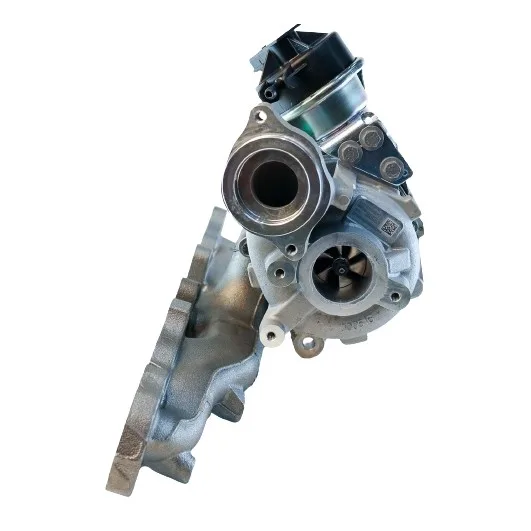
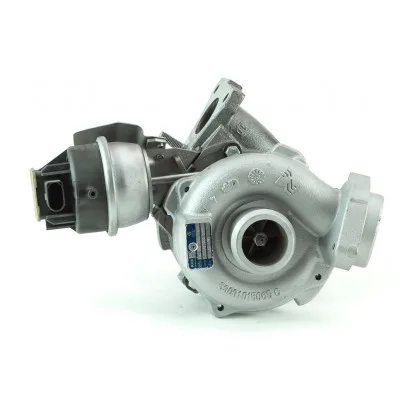
| Turbo MAHLE 030TC11005000 | Direct replacement for 2.0 TDI 150 hp engines | |
| SL Turbo 5303 988 0190 | High-performance remanufactured turbo for 150 hp applications |
How to choose
Selecting the right turbo for a 2.0 TDI 150 hp engine requires careful consideration of several factors, including compatibility, condition, and intended use. The following criteria help professionals and enthusiasts make informed decisions when sourcing a remanufactured unit.
- Compatibility with the vehicle’s exact motorization and power output to ensure seamless integration and performance restoration.
- Condition of the turbo: opt for remanufactured units with a documented history of thorough testing and quality control processes.
- Packaging and handling: choose turbos that arrive in protective packaging to prevent damage during transit and storage.
- Availability and lead times: prioritize suppliers with a reliable stock rotation to avoid delays in critical repairs.
- Brand reputation: select turbos from manufacturers with a proven track record in remanufacturing and OEM-level precision.
- Core deposit policies: understand the terms for returning the old turbo to avoid unexpected fees or complications.
- Technical documentation: ensure the turbo comes with clear compatibility data and installation guidelines for reference.
Storage & logistics
Proper storage of remanufactured turbos is essential to maintain their performance and longevity before installation. These units should be kept in a dry, temperature-controlled environment to prevent corrosion or damage to internal components. For professional workshops, organizing turbos by vehicle model and engine code streamlines the selection process and reduces the risk of mismatches during busy repair schedules. Regular inventory audits help identify turbos nearing their shelf life, ensuring they are used or replaced before quality degradation occurs. Additionally, storing turbos in their original packaging or protective cases shields them from dust and physical impact, preserving their condition until the moment of installation.
With over a decade of experience in turbocharger remanufacturing, our team has refined the process to deliver units that meet the exacting standards of both professionals and DIY enthusiasts. We understand the urgency of a failing turbo and the importance of a reliable replacement, which is why we focus on consistency and precision in every unit we supply.— autoKUR team
Related categories
Browse our other ranges:
Useful references
For regulatory and sector references, see Reglement (UE) 461/2010 — pieces de rechange et garantie constructeur.