
Available products
In stock
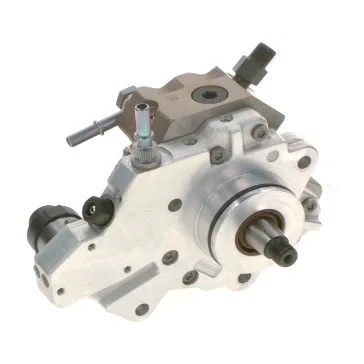
The RENAULT Megane 2 2.0 DCi 173 hp (127 kW diesel) is covered by 1 exchange-standard reference(s). Check output before displacement: it determines the part.
Engine specification: 1995 cm³, diesel, built from 01/2007 to 02/2008. Matching part number: 0445010099 (Bosch). Compare with the code stamped on your part.
Other engines of the RENAULT Megane 2: 2.0 DCi 150 hp, 1.9 DCi 131 hp, 1.9 DCi 120 hp. If the code stamped on your part is legible, search by reference remains the safest route. 24-month warranty.
Related categories
Frequently asked questions
About this category
The 2.0 DCi 173 HP engine family, widely used in Renault vehicles from the mid-2000s onward, relies on a high-pressure pump to maintain optimal fuel injection pressure. This category includes remanufactured and exchange standard pumps designed to restore engine performance without the premium cost of new OEM parts. Whether you're a professional mechanic, a car enthusiast performing your own repairs, or a driver seeking a reliable solution for a failing pump, this range addresses the core needs of the Renault 2.0 DCi platform. Compatibility spans multiple vehicle models, ensuring broad applicability for garages and private owners alike.
This range is built on a foundation of remanufacturing expertise, where worn components are restored to near-original specifications through precision engineering and rigorous quality controls. The high-pressure pump, a critical link between the fuel tank and injectors, is no exception. By sourcing cores from reputable suppliers and applying industry-standard refurbishment techniques, we ensure each unit delivers consistent performance. The role of the wholesale distributor is pivotal here, bridging the gap between manufacturers like Bosch and the end-user, whether a garage or a private buyer, with transparent pricing and reliable logistics.
Professional uses by trade
Different users approach the high-pressure pump replacement with distinct priorities and technical requirements. Garages focus on efficiency, compatibility, and bulk availability, while DIY enthusiasts prioritize ease of installation and cost savings. German buyers, accustomed to stringent quality standards, seek durable solutions that align with local automotive practices. Understanding these varied needs helps tailor the right approach for each scenario.
- Le garagiste independant : Replace a failing high-pressure pump in a Renault Laguna III 2.0 DCi 173 HP with minimal downtime by selecting an exchange standard unit that matches the OEM Bosch 0445010099 specifications.
- L'automobiliste depanne : Diagnose a sudden loss of power or excessive black smoke from the exhaust by identifying a faulty high-pressure pump and ordering a compatible exchange standard replacement for self-installation.
- Le passionne qui fait lui-meme : Restore engine performance in a Renault Espace IV 2.0 DCi 173 HP by sourcing a remanufactured high-pressure pump, ensuring it aligns with the vehicle's fuel system requirements without professional intervention.
- Der deutsche Kaeufer (DACH) : Address persistent engine misfires or fuel delivery issues in a Renault Mégane III 2.0 DCi 173 HP by procuring a high-pressure pump from a trusted supplier, prioritizing durability and adherence to German automotive standards.
- Le garagiste independant : Maintain a fleet of Renault vehicles by keeping exchange standard high-pressure pumps in stock, reducing lead times for repairs and ensuring consistent service quality across multiple models.
- L'automobiliste depanne : Resolve a check engine light related to fuel pressure by replacing the high-pressure pump with an exchange standard unit, avoiding the higher cost of a new OEM component.
- Der deutsche Kaeufer (DACH) : Ensure long-term reliability of a Renault Kangoo 2.0 DCi 173 HP by selecting a high-pressure pump with a proven track record in European driving conditions, balancing cost and performance.
Range comparison
This section presents the available high-pressure pump options for the 2.0 DCi 173 HP engine family, each designed to meet the specific needs of garages, DIY enthusiasts, and private owners. The focus is on exchange standard units that provide a balance between affordability and reliability, with compatibility verified across multiple Renault models.
| Range | Use | Format |
|---|---|---|
| High-pressure pump Bosch 0445010099 | DIY installation for private owners |
How to choose
Selecting the right high-pressure pump for a 2.0 DCi 173 HP engine requires careful consideration of several factors. Compatibility with the vehicle's fuel system, the condition of the core unit, and the remanufacturing process all play a role in ensuring long-term performance. Professionals must also account for packaging, storage conditions, and supplier reliability to avoid delays or quality issues.
- Verify the pump's compatibility with your vehicle's exact model and engine code to avoid mismatches that could lead to installation failures or performance issues.
- Assess the condition of the core unit before purchase, as heavily worn or damaged cores may compromise the remanufactured pump's reliability and longevity.
- Prioritize suppliers with a transparent remanufacturing process, including detailed testing and quality control measures to ensure consistent performance.
- Consider the packaging and storage conditions of the exchange standard pump, as improper handling can introduce contaminants or damage to sensitive components.
- Evaluate the supplier's rotation policy for remanufactured units, ensuring fresh stock and minimizing the risk of receiving outdated or poorly stored inventory.
- Check for additional features such as integrated pressure regulators or updated seals, which can enhance the pump's durability and compatibility with modern fuel systems.
- Review the supplier's return policy for cores and defective units, as a flexible policy provides peace of mind and protects against unforeseen issues during installation.
Storage & logistics
Proper storage of high-pressure pumps is critical to maintaining their performance and preventing contamination or damage. Exchange standard units should be kept in a clean, dry environment, away from direct sunlight and extreme temperatures, which can degrade seals and internal components. For garages and distributors, storing pumps in their original packaging or sealed containers helps preserve their condition until installation. Regular inventory rotation ensures that older stock is used first, reducing the risk of receiving units that have been stored for extended periods. Additionally, handling pumps with care—avoiding drops or impacts—prevents internal damage that could affect fuel delivery. Suppliers should also implement a system for tracking storage conditions and expiration dates, if applicable, to maintain the integrity of the remanufactured components.
With over a decade of experience in remanufacturing high-pressure pumps for the 2.0 DCi 173 HP platform, our team has seen it all—from pumps clogged by poor-quality diesel to units failing due to prolonged heat exposure. We know what works, what doesn’t, and how to deliver a product that stands the test of time in real-world conditions.— autoKUR team
Related categories
Browse our other ranges:
Useful references
For regulatory and sector references, see Reglement (UE) 461/2010 — pieces de rechange et garantie constructeur.