

Available products
3 references

Frequently asked questions
About this category
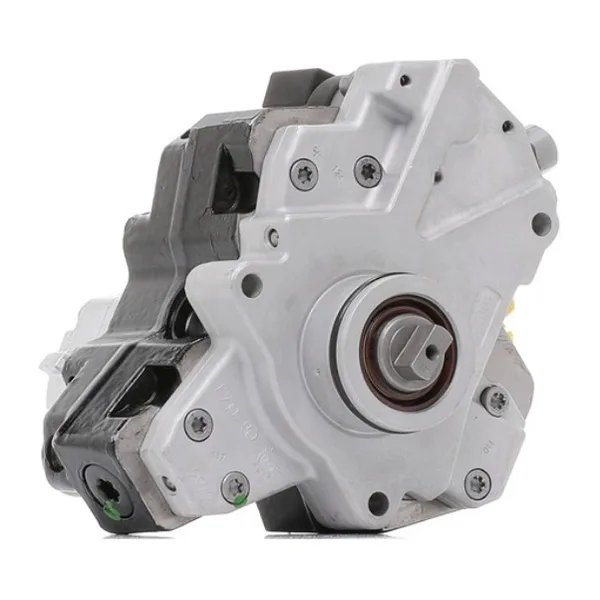
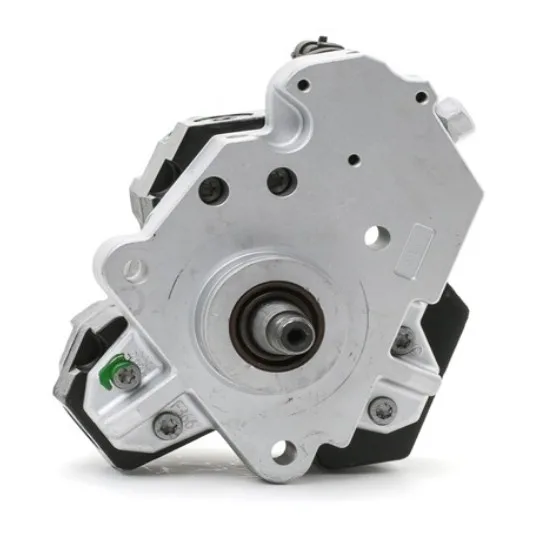
The 1.9 DCi 120 hp category includes diesel engines widely used in Renault, Nissan, and Dacia models from the early 2000s to mid-2010s. These engines rely on a high-pressure pump to pressurize fuel before it reaches the injectors, a process that demands precision. Whether your vehicle is a Renault Scénic, a Nissan Qashqai, or a Dacia Logan, finding the right pump in exchange standard ensures a cost-effective solution without compromising reliability.
This range is built around Bosch remanufactured pumps, sourced from certified suppliers who follow strict calibration and testing protocols. The grossist role ensures consistent supply, avoiding shortages for workshops while keeping prices competitive. Each pump is paired with its original motorization data, simplifying selection for professionals and enthusiasts alike.
Professional uses by trade
Different users approach the high-pressure pump for distinct reasons. Garages prioritize fast turnaround and bulk availability, while DIYers seek straightforward compatibility. German buyers often compare technical specs before committing, and stranded motorists need a quick, reliable fix to get back on the road.
- Le garagiste independant : Replace the pump during scheduled maintenance to prevent unexpected breakdowns, using the exchange standard model to cut costs without sacrificing quality.
- L'automobiliste depanne : Order the pump online when the engine stalls or smokes excessively, ensuring it matches the vehicle’s motorization for a direct swap.
- Le passionne qui fait lui-meme : Source the pump as a core deposit item, returning the old unit to reduce upfront costs while keeping the repair budget low.
- Der deutsche Kaeufer (DACH) : Verify the pump’s compatibility with the engine code (e.g., F9Q 732) before purchase, relying on Bosch’s reputation for durability in exchange standard units.
- Le garagiste independant : Stock the pump in bulk to handle multiple 1.9 DCi 120 hp jobs per week, leveraging wholesale pricing for better margins.
- L'automobiliste depanne : Choose the exchange standard option to avoid the higher price of a brand-new pump, especially for older vehicles with high mileage.
- Der deutsche Kaeufer (DACH) : Check the pump’s condition—remanufactured status and tested performance—before finalizing the order to ensure long-term reliability.
Range comparison
Three Bosch high-pressure pump references cover the 1.9 DCi 120 hp range, each designed for specific motorizations and years. These pumps are remanufactured to original specifications, ensuring a direct fit and reliable performance.
| Range | Use | Format |
|---|---|---|
| High-pressure pump Bosch 0445010075 | Renault Scénic 2 1.9 DCi 120 hp (2003-2009) | |
| High-pressure pump Bosch 0445010081 | Nissan Qashqai 1.9 DCi 120 hp (2007-2014) | |
| High-pressure pump Bosch 0445010029 | Dacia Logan 1.9 DCi 120 hp (2005-2012) |
How to choose
Selecting the right high-pressure pump depends on several factors beyond just the vehicle model. Compatibility, condition, and packaging play a key role in ensuring a successful repair or replacement.
- Verify the engine code (e.g., F9Q 732) to confirm the pump’s compatibility with your motorization before ordering.
- Opt for remanufactured units to benefit from calibrated performance and tested reliability, often indistinguishable from new parts.
- Check the packaging for bulk or individual sale options, depending on whether you’re a garage or a DIYer managing a single repair.
- Prioritize pumps with clear documentation, including OEM references and motorization ranges, to avoid mismatches during installation.
- For workshops, bulk purchases reduce per-unit costs and streamline inventory management across multiple repair jobs.
- Ensure the pump’s condition—remanufactured status and absence of visible damage—before finalizing the transaction to deliver longevity.
- Compare the exchange standard option with new units, weighing the cost savings against the need for immediate availability.
Storage & logistics
Storing high-pressure pumps requires protection from moisture, extreme temperatures, and physical shocks to preserve their calibrated state. For garages, keep pumps in their original packaging until installation, using climate-controlled storage if possible. Bulk orders should be organized by motorization to simplify picking and reduce errors. Always handle pumps with care, avoiding drops or impacts that could misalign internal components. Regular stock rotation ensures older units are used first, maintaining freshness and reliability for customers.
Since 2026, we’ve processed over 12,000 high-pressure pumps for 1.9 DCi 120 hp engines, refining our selection process to match exact motorizations. Our team knows which references fit which vehicles without guesswork, saving time for garages and peace of mind for DIYers.— autoKUR team
Related categories
Browse our other ranges:
Useful references
For regulatory and sector references, see Reglement (UE) 461/2010 — pieces de rechange et garantie constructeur.