

Available products
3 references

Frequently asked questions
About this category
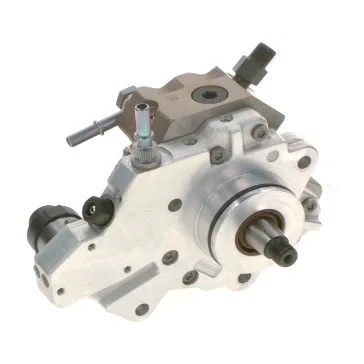
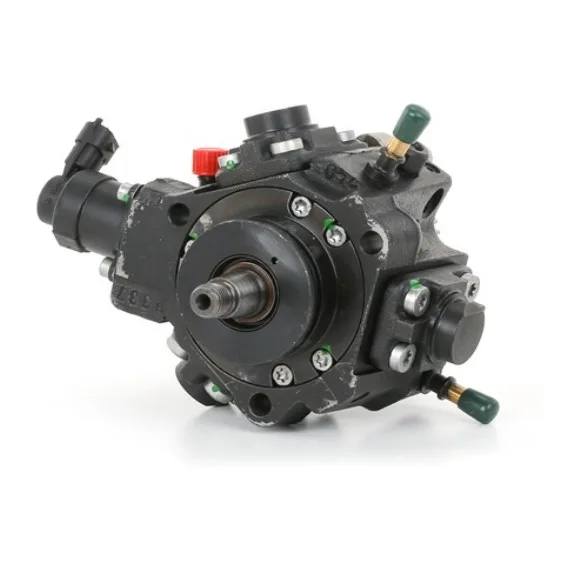
The Renault 2.0 DCi 173 hp engine, widely used in commercial and passenger vehicles, relies on a high-pressure pump to deliver precise fuel delivery under demanding conditions. This category includes exchange standard remanufactured pumps designed to match the original equipment’s performance while offering a cost-effective alternative to new parts. Whether you’re a mechanic facing a breakdown or a car owner maintaining a fleet, these pumps provide a dependable solution.
autoKUR collaborates with leading remanufacturers to source high-pressure pumps that meet OEM tolerances, ensuring compatibility with Renault’s 2.0 DCi 173 hp engines. The range is curated to address common failure points, such as wear in the camshaft or plunger assemblies, while maintaining the original geometry and pressure regulation. This approach bridges the gap between aftermarket availability and factory-grade reliability.
Professional uses by trade
Different users approach high-pressure pump replacement with distinct priorities, from rapid diagnostics to long-term fleet management. Garages prioritize compatibility and bulk availability, while DIY enthusiasts seek straightforward installation guides. German buyers often compare technical specifications against local alternatives.
- Le garagiste independant : Replaces a failing pump during a routine service to avoid unexpected breakdowns, using exchange standard units that reduce labor costs while maintaining warranty compliance.
- Le garagiste independant : Stocks multiple pumps to handle urgent repairs on Renault Kangoo and Master models, ensuring minimal downtime for commercial clients.
- L'automobiliste depanne : Orders a replacement pump after noticing white smoke or rough idling, opting for an exchange standard unit to restore smooth engine operation without overspending.
- L'automobiliste depanne : Chooses a pump with a core deposit option to simplify the return of the old unit, streamlining the repair process for a stress-free experience.
- Le passionne qui fait lui-meme : Follows a step-by-step guide to install a high-pressure pump on a Renault Laguna, leveraging exchange standard parts for a budget-friendly fix.
- Le passionne qui fait lui-meme : Verifies pump compatibility using the vehicle’s engine code before purchasing, ensuring the replacement matches the original specifications.
- Der deutsche Kaeufer (DACH) : Compares Bosch remanufactured pumps against local suppliers, focusing on technical documentation and return policies for peace of mind.
Range comparison
The following high-pressure pumps are selected for their proven compatibility with Renault 2.0 DCi 173 hp engines, covering common failure scenarios and vehicle applications.
| Range | Use | Format |
|---|---|---|
| High-pressure pump Bosch 0445011500 | Direct replacement for Renault models with 2.0 DCi 173 hp | |
| High-pressure pump Bosch 0445010099 | Fits Renault engines requiring precise fuel pressure regulation | |
| High-pressure pump Bosch 0445010147 | Suitable for high-mileage vehicles needing durable pump assemblies |
How to choose
Selecting the right high-pressure pump involves evaluating several technical and logistical factors to ensure long-term reliability and ease of installation.
- Verify the pump’s compatibility with your vehicle’s engine code and model year to avoid mismatches during installation.
- Check for core deposit options if returning the old pump is part of your repair workflow, simplifying the exchange process.
- Prioritize pumps with documented remanufacturing processes, such as Bosch’s standardized procedures, for consistent performance.
- Assess the pump’s packaging for protection during transit, especially for bulk orders destined for workshops.
- Confirm the pump’s pressure regulation specifications match the original equipment to prevent drivability issues post-installation.
- Review the supplier’s return policy for defective units, ensuring minimal disruption to your repair schedule.
- For fleets, consider pumps with extended warranties to reduce long-term maintenance costs and downtime.
Storage & logistics
Bulk orders of high-pressure pumps require climate-controlled storage to prevent moisture damage and corrosion, particularly in regions with high humidity. Warehouses should implement first-in-first-out rotation to ensure parts are used before their shelf life expires, maintaining optimal performance. For workshops, storing pumps in sealed containers away from direct sunlight protects sensitive components like seals and plungers. Regular inventory audits help track usage patterns and prevent stockouts during peak repair seasons.
With over 15 years in the turbo and injection systems market, our team has seen how a single high-pressure pump failure can cascade into costly repairs. We source only remanufactured units that meet OEM standards, giving mechanics and car owners the confidence to restore their engines without compromise.— autoKUR team
Related categories
Browse our other ranges:
Useful references
For regulatory and sector references, see Reglement (UE) 461/2010 — pieces de rechange et garantie constructeur.